Introduction
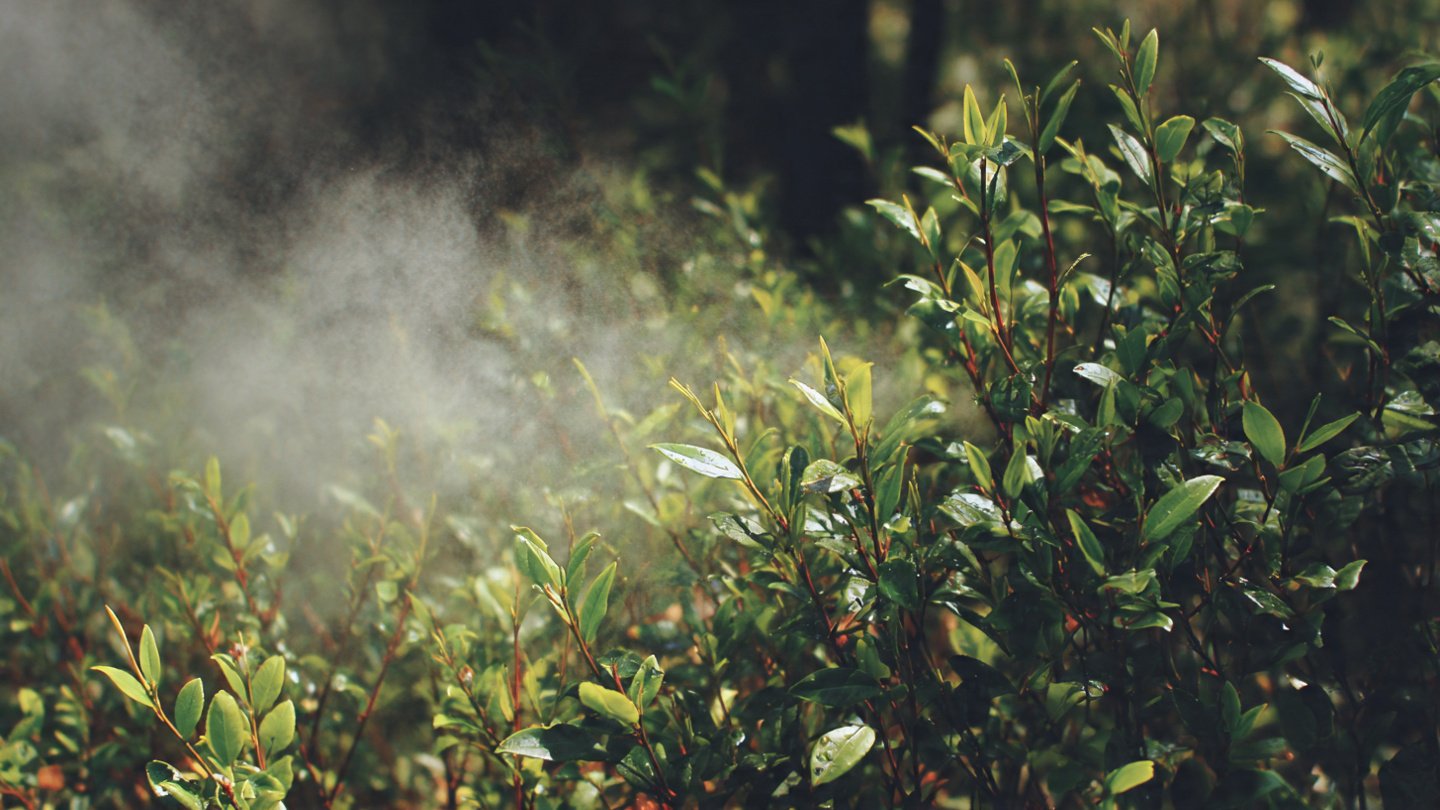
Misting plants is a common practice among indoor gardeners and plant enthusiasts. Many believe that this technique can help maintain humidity levels, boost plant health, and enhance aesthetic appeal. However, recent discussions have brought forth the question: Could misting your plants be a waste of time? In this article, we will explore the science behind plant care, the effectiveness of misting, and whether it’s an essential practice for keeping your plants thriving.
The Purpose of Misting
Misting refers to the act of spraying a fine mist of water onto the leaves and stems of plants. Here are some of the primary reasons people mist their plants:
- Humidity: Many houseplants, especially tropical species, thrive in high humidity environments. Misting may be used to increase humidity levels around these plants.
- Dust Removal: Dust that accumulates on leaves can hinder photosynthesis. Misting can help remove this dust and keep plants clean.
- Temperature Regulation: Misting can help cool plants during hot weather, mimicking the natural conditions of their native habitats.
- Aesthetic Appeal: Freshly misted plants often appear shiny and vibrant, enhancing their visual appeal.
The Science Behind Misting
To understand whether misting is effective, it’s essential to look at how plants absorb moisture. Plants primarily absorb water through their roots, not their leaves. While leaves can take in some moisture, the amount absorbed through misting is relatively small.
Furthermore, the water droplets produced from misting may evaporate too quickly, especially in indoor environments with heating or air conditioning, negating any potential benefits. This raises the question: does misting significantly impact a plant’s overall hydration levels?
Alternatives to Misting
If misting seems ineffective, what are the alternatives for increasing humidity and caring for your plants? Here are some viable options:
- Humidity Trays: Placing pots on trays filled with water and pebbles can create a humid microclimate around your plants as the water evaporates.
- Grouping Plants: Clustering plants together can help create a more humid environment as they release moisture through transpiration.
- Humidifiers: Using a room humidifier can provide consistent humidity, especially in dry conditions.
- Regular Watering: Ensuring the soil remains adequately moist is crucial for plant health, more so than relying on misting.
Plant-Specific Considerations
Not all plants have the same humidity needs. Some plants, like succulents and cacti, thrive in dry conditions and can readily suffer from misting, which could lead to fungal diseases. On the other hand, tropical plants such as ferns and orchids may benefit from higher humidity levels. Thus, knowing your specific plant’s needs is vital in determining the necessity of misting.
Common Myths About Misting
There are several myths surrounding the practice of misting that can lead to misinformation:
- Misting Can Replace Watering: This is false; misting does not replace the need for proper watering, as plants primarily absorb water from their roots.
- All Plants Need Misting: While some plants thrive in higher humidity, many others do not require it at all.
- Misting Prevents Pests: Misting may temporarily dislodge pests but does not serve as a long-term solution for pest control.
Conclusion
While misting can have some aesthetic benefits and may offer limited humidity improvement for certain plants, it is typically not necessary for most indoor gardening practices. Understanding the specific needs of your plants and finding more effective alternatives for humidity control will likely yield better results in their care. In many cases, focusing on proper watering, ensuring good air circulation, and making use of humidity trays or room humidifiers will serve your plants better than misting alone.
FAQs
1. Is misting effective for all types of plants?
No, misting is more beneficial for tropical plants that prefer higher humidity. Succulents and cacti do not require misting and may be harmed by excess moisture.
2. How often should I mist my plants?
If you decide to mist, doing so once or twice a week may suffice, depending on the plant’s humidity needs and the environment.
3. Can misting promote fungal diseases?
Yes, excessive moisture on leaves can promote mildew and other fungal diseases, especially in poorly ventilated spaces.
4. What are some signs that my plant may need more humidity?
Common signs include curling or browning leaf edges, leaf drop, and stunted growth.
5. Can I use distilled water for misting?
Yes, using distilled water can help avoid minerals and chemicals found in tap water that might accumulate on leaves.