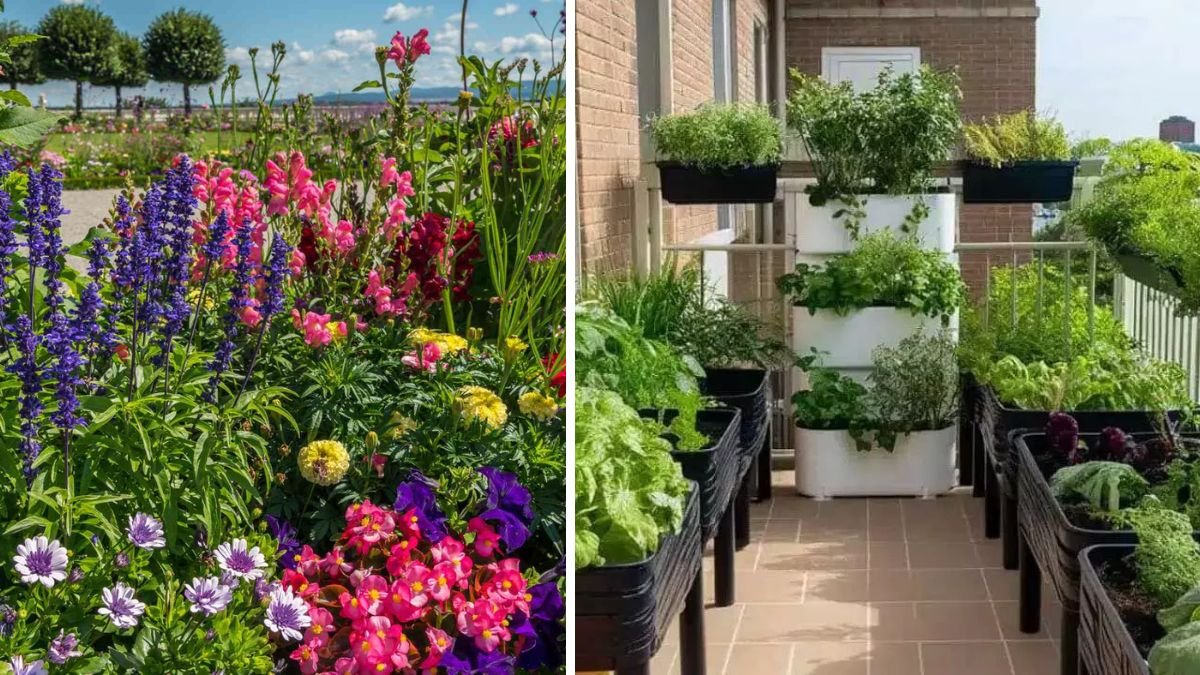
Gardening can be a joyful and rewarding hobby, but it can also feel overwhelming for beginners or those with busy schedules. Not every gardener has time for daily watering, pruning, or fertilizing, and some plants simply demand less attention than others. Fortunately, according to horticulture experts, there are many garden plants that thrive with minimal care while still providing beauty, texture, and interest to your outdoor spaces.
This guide highlights plants that are virtually “set it and forget it,” offering tips on planting, placement, and seasonal care to help even the busiest gardener maintain a vibrant and low-maintenance garden.
Why Low-Maintenance Plants Are Ideal
Effortless garden plants have several advantages:
- Time-saving: Require minimal watering, pruning, or fertilization.
- Resilient: Can withstand variations in weather, soil, and light.
- Beginner-friendly: Great for those just starting out in gardening.
- Sustainable: Less resource-intensive in terms of water, fertilizer, and labor.
- Aesthetic impact: Many low-maintenance plants still offer striking color, texture, or fragrance.
Experts emphasize that selecting the right plants from the start is the key to creating a thriving low-effort garden.
Step 1: Perennial Flowers
Perennials return year after year, providing long-term beauty with little intervention:
- Daylilies (Hemerocallis spp.)
- Hardy, colorful blooms that tolerate drought and poor soil.
- Full sun to partial shade; minimal care once established.
- Black-eyed Susans (Rudbeckia spp.)
- Bright, daisy-like flowers; attract pollinators.
- Thrives in most soils and requires little attention.
- Hostas
- Shade-loving foliage plants with minimal maintenance.
- Excellent for areas where sunlight is limited.
- Sedum (Stonecrop)
- Succulent-like, drought-tolerant plants.
- Ideal for rock gardens or borders; very low care.
- Coneflowers (Echinacea spp.)
- Durable, attractive flowers that self-seed easily.
- Tolerant of heat, drought, and poor soil.
Experts recommend combining perennials with different bloom times for continuous color with minimal effort.
Step 2: Shrubs and Bushes
Low-maintenance shrubs provide structure and greenery year-round:
- Boxwood (Buxus spp.)
- Evergreen shrub that requires minimal pruning.
- Tolerates a variety of soil types and climates.
- Lavender (Lavandula spp.)
- Drought-tolerant, fragrant, and pest-resistant.
- Requires well-draining soil and occasional pruning.
- Hydrangeas
- Low-maintenance shrubs with large, showy flowers.
- Prefer partial shade; minimal fertilization needed.
- Spirea
- Hardy shrub with spring blooms; little care once established.
- Adapts to full sun or partial shade.
- Juniper (Juniperus spp.)
- Evergreen, drought-resistant groundcover or shrub.
- Ideal for erosion control or low-maintenance landscapes.
Experts suggest selecting shrubs based on size, growth habit, and seasonal interest for long-term garden planning.
Step 3: Grasses and Groundcovers
Ornamental grasses and groundcovers reduce weeding and add texture:
- Fountain Grass (Pennisetum spp.)
- Graceful, clumping grass; drought-tolerant.
- Provides movement and texture with minimal care.
- Lamb’s Ear (Stachys byzantina)
- Soft, silvery foliage that suppresses weeds.
- Thrives in sunny, well-drained areas.
- Creeping Thyme (Thymus serpyllum)
- Low-growing, fragrant, and hardy.
- Tolerates foot traffic; drought-tolerant.
- Blue Fescue (Festuca glauca)
- Compact, clumping grass with striking blue foliage.
- Very low maintenance; requires little watering.
- Ajuga (Bugleweed)
- Evergreen groundcover with small flowers; spreads to fill bare spots.
- Tolerates shade and partial sun.
Experts highlight that grasses and groundcovers not only look attractive but also reduce soil erosion and suppress weeds, saving labor.
Step 4: Low-Maintenance Vegetables
Some edible plants are surprisingly low-maintenance, making them perfect for easy gardens:
- Radishes
- Fast-growing, minimal care; harvest in 4–6 weeks.
- Kale
- Hardy, frost-tolerant leafy green; requires little attention.
- Swiss Chard
- Vibrant leaves; harvest continuously throughout the season.
- Zucchini
- Vigorous and productive; minimal pest issues if spaced properly.
- Herbs like Rosemary and Thyme
- Aromatic, drought-tolerant, and virtually self-sufficient.
Experts suggest that beginner gardeners start with one or two edible plants to enjoy fresh produce without intensive labor.
Step 5: Tips for an Effortless Garden
- Choose the right location: Match plants to sunlight, soil, and moisture conditions.
- Mulch: Use organic mulch to retain moisture, reduce weeds, and protect roots.
- Group plants by needs: Place plants with similar water and sunlight requirements together.
- Minimal fertilization: Use slow-release or compost-based fertilizers to reduce upkeep.
- Prune selectively: Only remove dead or diseased parts; avoid excessive trimming.
- Water wisely: Consider drip irrigation or soaker hoses to automate watering.
Experts emphasize that planning the garden layout thoughtfully reduces daily effort while ensuring healthy plants.
Step 6: Dealing with Pests and Diseases
Even low-maintenance plants can encounter occasional issues:
- Slugs and snails: Handpick or use natural deterrents for leafy plants.
- Aphids: Spray gently with water or apply neem oil.
- Fungal infections: Ensure proper spacing and avoid overhead watering to prevent mildew.
Experts note that choosing resilient, pest-resistant varieties further reduces maintenance needs.
Step 7: Seasonal Care
Effortless gardening still benefits from light seasonal attention:
- Spring: Clean debris, check soil, and prune dead growth.
- Summer: Water during dry spells; mulch as needed.
- Fall: Trim back perennials; mulch to protect roots in winter.
- Winter: Minimal care required for hardy evergreens; remove snow if necessary.
Experts advise that light seasonal maintenance keeps plants healthy without requiring daily work.
Step 8: Designing a Low-Effort Garden
- Layering: Mix perennials, shrubs, and groundcovers for visual interest and natural soil coverage.
- Repetition: Plant multiple of the same species to create continuity and reduce gaps.
- Container gardening: Use pots for plants requiring specific soil or moisture conditions.
- Vertical interest: Add trellises or climbing plants to maximize space.
Experts highlight that a well-designed low-maintenance garden can appear full and vibrant with minimal ongoing effort.
Benefits of Effortless Plants
- Time-saving: Spend less time maintaining plants and more enjoying them.
- Sustainability: Drought-tolerant, low-input plants require fewer resources.
- Visual impact: Even minimal-care plants provide year-round color, texture, and fragrance.
- Beginner-friendly: Encourages confidence and learning without frustration.
Starting with resilient plants ensures both beauty and peace of mind, even for those new to gardening or short on time.
Final Thoughts
Gardening doesn’t have to be a constant chore. According to horticulture experts, selecting low-maintenance, resilient plants allows anyone—regardless of experience or schedule—to enjoy a thriving, attractive garden. From perennials and shrubs to grasses, groundcovers, and even vegetables, many plants flourish with little care while providing aesthetic and functional benefits.
By combining smart plant selection, proper placement, and minimal seasonal maintenance, gardeners can create landscapes that are both beautiful and practically effortless. Whether you’re aiming for lush greenery, vibrant blooms, or edible abundance, choosing plants that require zero—or very little—effort is the key to enjoying gardening without the stress.
Your garden can be vibrant, diverse, and productive, all while keeping maintenance to a minimum. With the right plants, anyone can cultivate a stunning, low-effort garden that provides joy year-round.