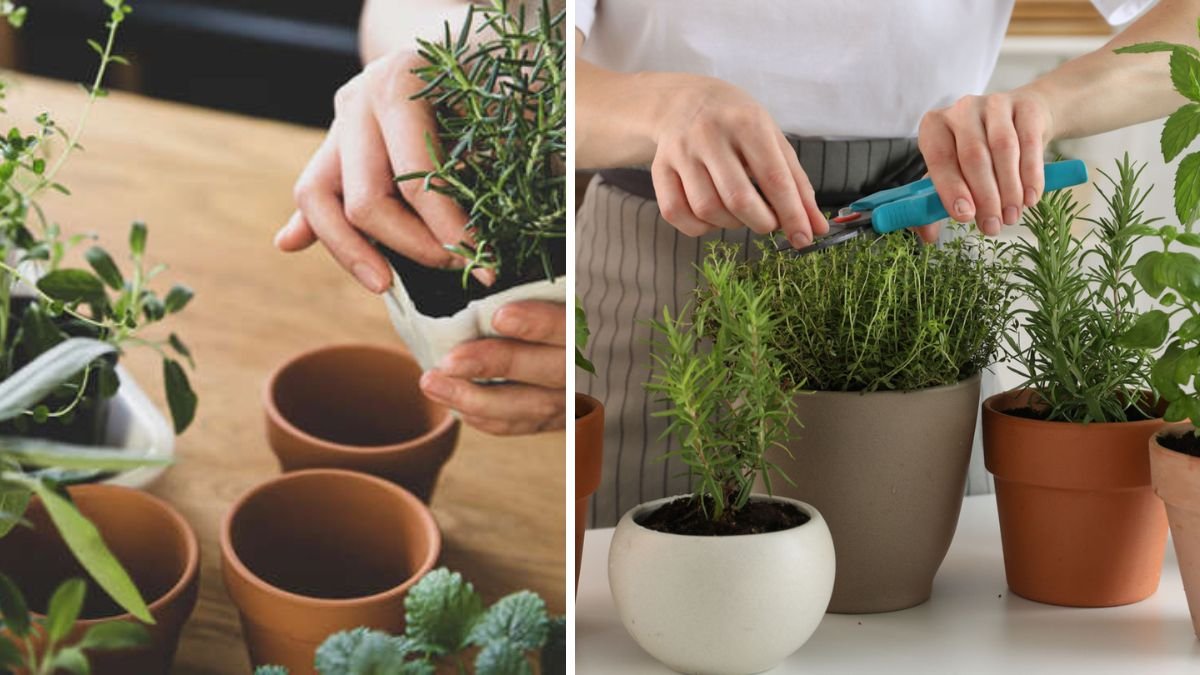
Introduction: Start Your Herb Garden Today
Starting a herb garden is one of the most rewarding projects for beginner gardeners. Herbs are versatile, flavorful, and often forgiving — making them perfect for those just learning the ropes of gardening. Whether you have a balcony, windowsill, patio, or small backyard, growing herbs allows you to enjoy fresh, homegrown flavors right from your own garden.
Herbs can thrive in containers, garden beds, or even small raised boxes, making them ideal for compact spaces. They not only enhance your meals but also bring greenery, fragrance, and a sense of accomplishment to your space. With minimal effort, these plants can provide an abundant and continuous harvest. (crushmag-online.com)
What Makes an Herb Easy to Grow?
An easy-to-grow herb for beginners usually has these characteristics:
- Establishes quickly from seed or starter plants
- Thrives with minimal maintenance
- Adapts to a variety of soil and light conditions
- Produces regular harvests with simple care
- Can grow in containers or garden beds
Most beginner-friendly herbs prefer well-drained soil and at least 4–6 hours of sunlight daily, though some tolerate partial shade. Herbs that require minimal watering and pruning are particularly suited to novice gardeners. (crushmag-online.com)
1. Basil (Ocimum basilicum)
Basil is fast-growing, flavorful, and highly rewarding. It thrives in warm conditions with plenty of sunlight and rich, well-drained soil. Regular harvesting encourages bushy growth and prolongs the harvest season.
- Light: 6–8 hours of full sun daily
- Soil: Fertile, well-drained soil
- Water: Keep soil moist but avoid waterlogging
Basil is a staple for pesto, salads, and pasta dishes. Beginners can start basil from seed indoors or buy starter plants for faster results. Pinching off leaves regularly encourages the plant to grow fuller and produce more leaves. (newsbytesapp.com)
2. Mint (Mentha spp.)
Mint is nearly foolproof and grows rapidly in a wide range of soils. Its fresh, aromatic leaves are perfect for teas, desserts, and savory dishes. Mint can become invasive, so it’s best grown in containers or confined spaces to prevent it from overtaking your garden.
- Light: Partial shade to full sun
- Soil: Well-drained, moderately fertile
- Water: Keep evenly moist
Mint’s vigorous growth and resilience make it ideal for beginners who want a productive, low-maintenance herb. Harvest leaves frequently to maintain a healthy, bushy plant. (bademiya.org)
3. Parsley (Petroselinum crispum)
Parsley is a versatile herb suitable for containers or garden beds. It prefers slightly cooler temperatures and consistent watering, which makes it great for beginners who can monitor soil moisture. Parsley can be harvested continuously, providing bright, fresh flavor for a wide range of dishes.
- Light: 4–6 hours of sunlight, partial shade is acceptable
- Soil: Rich, well-drained soil
- Water: Keep soil moist without overwatering
Parsley is commonly used in salads, soups, and sauces. It is often biennial but can behave as a perennial in milder climates, making it a lasting addition to a beginner’s herb garden. (planthouseandgarden.com)
4. Rosemary (Rosmarinus officinalis)
Rosemary is fragrant, drought-tolerant, and can double as an ornamental plant. It requires minimal watering once established and prefers full sun and well-drained soil. Its hardy nature makes it ideal for beginner gardeners who may forget to water occasionally.
- Light: Full sun (6+ hours daily)
- Soil: Well-drained, slightly sandy
- Water: Moderate, allow soil to dry between waterings
Rosemary enhances meats, bread, potatoes, and soups. Once established, it can last for years and requires minimal maintenance, providing consistent harvests with little effort. (bademiya.org)
5. Thyme (Thymus vulgaris)
Thyme is a classic herb that thrives in dry, well-drained soil and full sun. It is highly drought-tolerant and low-maintenance, making it perfect for beginner gardeners. Thyme grows well in garden beds, borders, or containers and responds well to regular harvesting.
- Light: Full sun (6–8 hours daily)
- Soil: Well-drained, moderately nutrient-rich
- Water: Minimal; avoid overwatering
Thyme adds flavor to soups, stews, roasted vegetables, and poultry. Frequent harvesting keeps the plant compact and productive, encouraging new growth and extending its lifespan. (bademiya.org)
Tips for Beginner Herb Gardeners
Light and Placement
Most herbs require 4–6 hours of sunlight daily. Indoors, a sunny windowsill or grow light is ideal for continuous growth.
Soil and Drainage
Use well-drained soil to prevent root rot. If planting in containers, ensure adequate drainage holes.
Watering
Avoid overwatering. Allow the top inch of soil to dry between watering sessions, particularly for Mediterranean herbs like rosemary and thyme.
Harvesting
Regularly harvesting leaves encourages bushy, productive plants. Avoid removing more than one-third of the plant at a time to maintain health.
Container Gardening
Containers are perfect for invasive herbs like mint and for managing soil quality. They also allow beginners to move plants for optimal sunlight.
Authoritative Sources
For further guidance on easy-to-grow herbs for beginners, consult these reliable sources:
- Ideal Home – Easiest Herbs to Grow at Home: Beginner-friendly tips and care instructions (idealhome.co.uk)
- Crush Mag – Easy Herbs for Beginners: Highlights hardy herbs and practical tips (crushmag-online.com)
- Plant House & Garden – Easy Herbs: Focused on practical herb gardening guidance (planthouseandgarden.com)
Conclusion: Growing Confidence With Herbs
Growing herbs is one of the most accessible and rewarding gardening projects for beginners. With just a few pots, some quality soil, and sunlight, you can grow basil, mint, parsley, rosemary, and thyme right at home. These five easy-to-grow herbs for beginner gardeners provide flavor, fragrance, and a continuous harvest, making them the perfect introduction to gardening.
By learning the basics of sunlight, watering, soil care, and harvesting, even novice gardeners can enjoy fresh, flavorful herbs year-round. Start your herb garden today and experience the joy of growing your own culinary treasures.