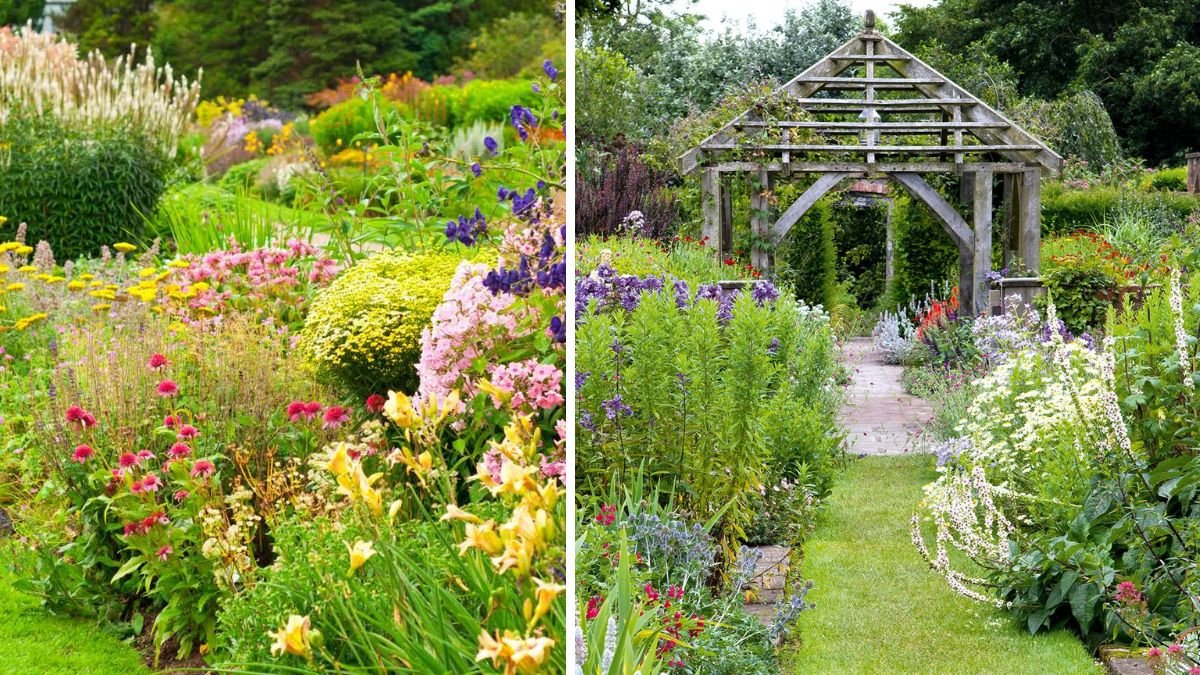
Gardening can be incredibly rewarding, but it also comes with challenges—from unpredictable weather to pests, poor soil, and finicky plants. Fortunately, horticulture experts have spent years studying what makes gardens flourish. Their insights reveal that thriving plants don’t happen by chance; they result from a combination of careful planning, proper care, and understanding nature’s rhythms.
This guide shares expert tips and strategies to help you achieve garden success, whether you’re a beginner or a seasoned gardener.
1. Know Your Soil
Experts agree that healthy plants start with healthy soil. Understanding your soil’s composition, texture, and nutrient content is the foundation for garden success.
- Soil testing: Test for pH, nitrogen, phosphorus, and potassium levels. Most plants thrive in slightly acidic to neutral soil (pH 6–7).
- Amendments: Add compost, organic matter, or well-rotted manure to improve soil fertility, structure, and moisture retention.
- Drainage: Ensure soil isn’t compacted; raised beds or mounds can help prevent waterlogging.
Healthy soil promotes strong root systems, improves nutrient uptake, and reduces vulnerability to disease. Experts emphasize that investing time in soil preparation saves countless headaches later.
2. Choose the Right Plants for Your Region
Not every plant thrives everywhere. Experts stress the importance of selecting species suited to your climate, soil type, and sunlight conditions.
- Hardiness zones: Check local USDA zones or equivalent to select plants that can survive your winter conditions.
- Native plants: Local species often require less water, fertilizer, and care while supporting local wildlife.
- Sunlight requirements: Match plants to available light—full sun, partial shade, or full shade.
By aligning plant selection with natural conditions, you reduce stress on plants and increase the likelihood of vibrant, long-lasting growth.
3. Water Wisely
Water is essential, but both overwatering and underwatering can harm plants. Experts recommend understanding your plants’ specific needs and the natural rainfall in your area.
- Deep, infrequent watering: Encourages strong root growth, rather than shallow, frequent watering.
- Mulching: A 2–3 inch layer of mulch retains soil moisture, regulates temperature, and reduces weeds.
- Timing: Water early in the morning or late afternoon to minimize evaporation.
Proper watering practices can be the difference between lush, thriving plants and stunted, stressed growth.
4. Feed Your Garden
Nutrient management is key for plant health. Experts reveal that fertilization should complement, not replace, healthy soil practices.
- Organic fertilizers: Compost, fish emulsion, or seaweed extracts provide slow-release nutrients.
- Balanced NPK: Nitrogen supports leafy growth, phosphorus promotes flowering and root development, and potassium strengthens overall plant health.
- Timing: Fertilize during active growth periods; avoid fertilizing dormant plants.
According to horticulturists, over-fertilizing can be as damaging as under-fertilizing, so always follow product guidelines and monitor plant response.
5. Understand Plant Growth Cycles
Plants have natural rhythms, including dormancy, flowering, and fruiting phases. Experts emphasize respecting these cycles for long-term success.
- Pruning: Trim at the right time to encourage healthy growth, stimulate flowers, and prevent disease.
- Deadheading: Remove spent blooms to redirect energy toward new growth.
- Seasonal adjustments: Adjust watering, feeding, and light exposure according to seasonal needs.
Recognizing these natural patterns ensures plants are supported throughout their life stages.
6. Prevent Pests and Diseases Proactively
Experts reveal that prevention is always more effective than reaction. Healthy plants are naturally more resistant to pests and diseases.
- Inspect regularly: Check leaves, stems, and soil for early signs of pests or fungal infections.
- Companion planting: Certain plants repel insects naturally, reducing the need for chemicals.
- Proper spacing: Adequate airflow between plants prevents fungal growth and stress-related diseases.
By combining observation with smart garden design, you reduce the likelihood of outbreaks and maintain plant vitality.
7. Use Mulch Strategically
Mulching is one of the simplest yet most effective expert tips for garden success.
- Moisture retention: Keeps soil damp longer, reducing watering frequency.
- Weed suppression: Prevents weeds from competing for nutrients and water.
- Temperature control: Insulates soil against temperature fluctuations, protecting roots.
Experts recommend organic mulches such as straw, wood chips, or leaves, which also decompose to enrich the soil over time.
8. Plan for Sunlight
Sunlight is a major determinant of plant health. Experts advise analyzing your garden’s sun exposure throughout the day and year.
- Full sun plants: Require 6–8 hours of direct sunlight.
- Partial sun/shade: Thrive with 3–6 hours of light or filtered sunlight.
- Shade plants: Ideal for spots receiving less than 3 hours of direct sun.
Rotating plants seasonally or using reflective surfaces can help maximize light exposure for sun-loving species.
9. Practice Patience
One of the most common mistakes gardeners make is expecting instant results. Experts stress that successful gardens develop over time:
- Allow growth: Plants need weeks or months to establish before flowering or fruiting.
- Avoid over-manipulation: Excessive pruning, fertilizing, or transplanting can stress plants.
- Observe progress: Small improvements in leaf color, size, and vigor indicate that your plants are on the right track.
Patience and attentiveness often distinguish a thriving garden from a struggling one.
10. Keep Learning
Gardening is part science, part art, and part trial and error. Experts recommend continual learning to adapt to changing conditions and new challenges.
- Observe local gardens: See which plants perform well in your region.
- Read and research: Books, online resources, and gardening groups offer tips tailored to your environment.
- Experiment responsibly: Try new species in small quantities to test their performance.
Continuous learning helps gardeners anticipate problems and implement innovative solutions.
11. Embrace Seasonal Tasks
Experts highlight that successful gardens follow a seasonal rhythm:
- Spring: Planting, fertilizing, and pruning to encourage growth.
- Summer: Regular watering, pest monitoring, and deadheading.
- Fall: Harvesting, mulching, and preparing soil for winter.
- Winter: Planning, tool maintenance, and observing dormant plants.
Aligning gardening tasks with seasons ensures plants are nurtured at the right time and maximizes long-term success.
12. Use Proper Tools
Even the most knowledgeable gardener benefits from the right tools. Experts recommend:
- Sharp pruners: Prevent damage and disease when trimming plants.
- Watering cans with spouts: Deliver water directly to roots.
- Trowels and gloves: Protect your hands and soil structure.
Quality tools reduce physical strain and improve plant care outcomes.
13. Encourage Biodiversity
A garden with multiple species is often healthier and more resilient. Experts suggest:
- Mix flowering plants, shrubs, and herbs: Promotes pollinators and beneficial insects.
- Include ground covers: Reduce erosion and suppress weeds.
- Rotate crops in vegetable gardens: Prevent soil depletion and reduce pests.
Biodiversity creates a balanced ecosystem, reducing the need for chemical interventions and supporting long-term success.
14. Monitor and Adjust
Finally, experts recommend regularly evaluating garden conditions:
- Check soil moisture, fertility, and pH.
- Observe plant health, growth patterns, and flowering.
- Adjust care routines: Move plants, adjust watering schedules, or amend soil as needed.
Garden success is rarely static—continuous monitoring and adaptation are essential.
Final Thoughts
Experts agree that thriving gardens are a combination of knowledge, observation, patience, and care. By understanding your soil, selecting the right plants, watering and fertilizing properly, respecting growth cycles, and preventing problems proactively, gardeners can enjoy lush, healthy gardens year-round.
The secrets of garden success aren’t complicated—they involve consistent, thoughtful practices and a willingness to learn from both successes and failures. Whether you’re growing flowers, vegetables, or ornamental plants, applying these expert strategies will help ensure your garden flourishes and becomes a source of beauty, satisfaction, and even tranquility.