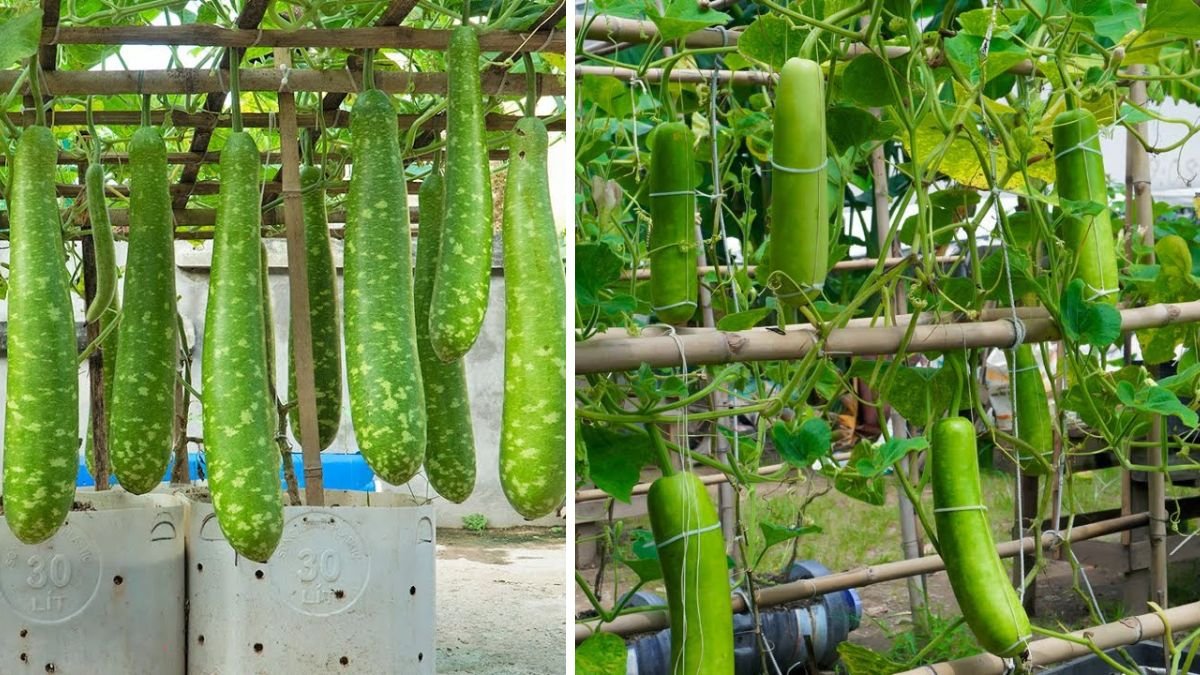
Growing gourds at home has become a favorite pastime for gardeners looking to maximize their space while producing abundant fruit. With their climbing vines, large leaves, and prolific fruiting habits, gourds can thrive in both traditional garden beds and unconventional spaces like sacks, grow bags, or even small balconies. Whether you are cultivating bottle gourd, ridge gourd, snake gourd, or loofah, these versatile plants not only provide fresh produce but also offer decorative and practical uses.
Urban gardeners, in particular, have discovered creative ways to grow gourds in limited spaces. In some communities, people are even using sacks and containers to grow vegetables and vines, enhancing both food security and income potential. Gourds, members of the Cucurbitaceae family, are well-suited for container gardening due to their flexible growth patterns, ability to climb supports, and high yield potential.
Why Gourds Are Ideal for Home Gardening
Gourds are a popular choice for home gardens for several reasons. They are versatile, productive, and relatively easy to grow if given proper care. Some of the advantages include:
- Multiple Uses: Gourds can be consumed fresh, used for crafts, or dried for decorative purposes. Loofah gourds, for instance, can be transformed into natural sponges.
- Space Efficiency: Vertical growth habits allow gourds to thrive in small spaces, sacks, and containers, making them perfect for urban and rooftop gardens.
- High Yield Potential: With proper soil, sunlight, and watering, gourd vines can produce a substantial number of fruits throughout the season.
Choosing the Right Gourd Varieties
Selecting the right type of gourd is crucial for home gardeners, especially when growing in sacks or containers. Some popular varieties include:
Bottle Gourd (Lagenaria siceraria)
Known for its edible fruit and abundant yields, bottle gourd grows well in containers and is excellent for soups, stir-fries, and stews. It prefers warm weather and requires support for its climbing vines.
Ridge Gourd (Luffa acutangula)
Ridge gourd is fast-growing, produces long green fruits, and thrives in sunny locations. It benefits from vertical supports to keep vines organized and improve air circulation.
Loofah (Luffa aegyptiaca)
Loofah gourds are ideal for gardeners looking to harvest natural sponges. They require warm temperatures, consistent watering, and trellis support for optimal growth.
Snake Gourd (Trichosanthes cucumerina)
Snake gourd vines grow quickly and produce long, twisting fruits. They are highly adaptable to sacks or large containers with trellis support, making them suitable for limited-space gardens.
Preparing Sacks and Containers for Growing Gourds
When growing gourds in sacks, preparation is key. The following steps will help you create the ideal environment for your plants:
- Choose the Right Container: Use large grow bags or sacks, ideally 18–24 inches deep. This ensures sufficient space for root development.
- Soil Preparation: Fill the sack with nutrient-rich, well-draining soil. Incorporate compost or organic fertilizer to support vigorous growth. Gourds are heavy feeders, so regular fertilization can make a significant difference in yield.
- Placement: Position the sacks in an area that receives at least 6–8 hours of sunlight daily. Adequate sunlight is critical for flowering and fruit development.
- Watering: Keep the soil consistently moist but avoid waterlogging, which can cause root rot. Deep, regular watering encourages strong root systems and healthy fruit growth.
Using Vertical Support for Maximum Yield
Vertical gardening is essential when growing gourds in sacks. Installing trellises, netting, or poles allows vines to climb upward, freeing space on the ground. Vertical support provides several benefits:
- Improves airflow around the plant, reducing the risk of fungal infections.
- Makes harvesting easier, as fruits hang visibly.
- Promotes better fruit formation, as energy is directed toward developing healthy fruits rather than sprawling vines.
Pollination Tips for Higher Fruit Set
Many gourds require insect pollination, primarily by bees, to set fruit. In areas where pollinators are scarce, gardeners can hand-pollinate flowers to ensure a higher fruit yield. Simply transfer pollen from male flowers to female flowers using a small brush or by gently shaking the flowers together.
Hand-pollination is especially useful for container-grown plants where natural pollinators may not frequent the small garden space.
Maintaining Growth and Encouraging Fruit Production
To maximize gourd yields, gardeners should focus on maintaining a balance between vegetative growth and fruiting. Here are some advanced tips:
- Flower Management: Remove excess early flowers to allow the plant to direct energy toward developing larger fruits.
- Fertilization: Apply a balanced fertilizer with extra potassium once fruits begin to form. This supports robust fruit growth and overall plant health.
- Pruning: Trim weak or overcrowded vines to improve airflow and reduce competition for nutrients.
- Spacing: If growing multiple sacks or containers, ensure adequate spacing to prevent overcrowding and minimize pest or disease issues.
Harvesting Gourds
Gourds typically take 60–90 days to reach maturity, depending on the variety. Fruits should be firm and fully grown when harvested. Some varieties, like loofah or hard-shell gourds, may require additional ripening for drying and craft purposes.
When harvesting, use clean, sharp scissors or a knife to cut the fruit from the vine. Avoid pulling or twisting the fruit, as this can damage the plant.
Post-Harvest Uses
Gourds are highly versatile beyond their edible use:
- Culinary Uses: Bottle gourd, ridge gourd, and snake gourd are excellent for soups, curries, and stir-fries.
- Crafting: Hard-shell gourds can be dried and transformed into decorative items or containers.
- Natural Sponges: Loofah gourds, once dried, provide an eco-friendly alternative to synthetic sponges.
Common Challenges and How to Overcome Them
While gourds are generally resilient, gardeners may encounter a few challenges:
- Pests: Aphids, squash bugs, and caterpillars can attack leaves and fruits. Regular monitoring and natural insecticides can help.
- Fungal Diseases: Powdery mildew or downy mildew can affect leaves. Proper spacing, trellising, and adequate airflow reduce disease risk.
- Nutrient Deficiencies: Yellowing leaves may indicate nutrient imbalance. Regular fertilization with compost or organic fertilizers ensures healthy growth.
Authoritative Sources for Further Reading
To deepen your knowledge and improve your gourd-growing success, refer to these reliable resources:
- The Spruce: Expert guides on luffa and residential gardening.
- Kula Nursery: Care guides on various gourd varieties.
- Grow Bag Seed Suppliers: For specific gourd seed varieties and cultivation tips.
- Local Agricultural Extensions or Gardening Forums: For region-specific guidance and community support.
Final Thoughts
Growing gourds at home is a rewarding endeavor, especially when space is limited. By utilizing sacks or grow bags, providing proper support, maintaining soil fertility, and ensuring effective pollination, gardeners can enjoy a bountiful harvest of diverse gourd varieties. From fresh culinary uses to creative crafts, gourds offer versatility, abundance, and satisfaction to any home garden.
With patience and attention to detail, even a small balcony or urban rooftop can become a thriving gourd garden. Start small, follow these guidelines, and watch your vines flourish — producing abundant, healthy fruits that you can enjoy all season long.