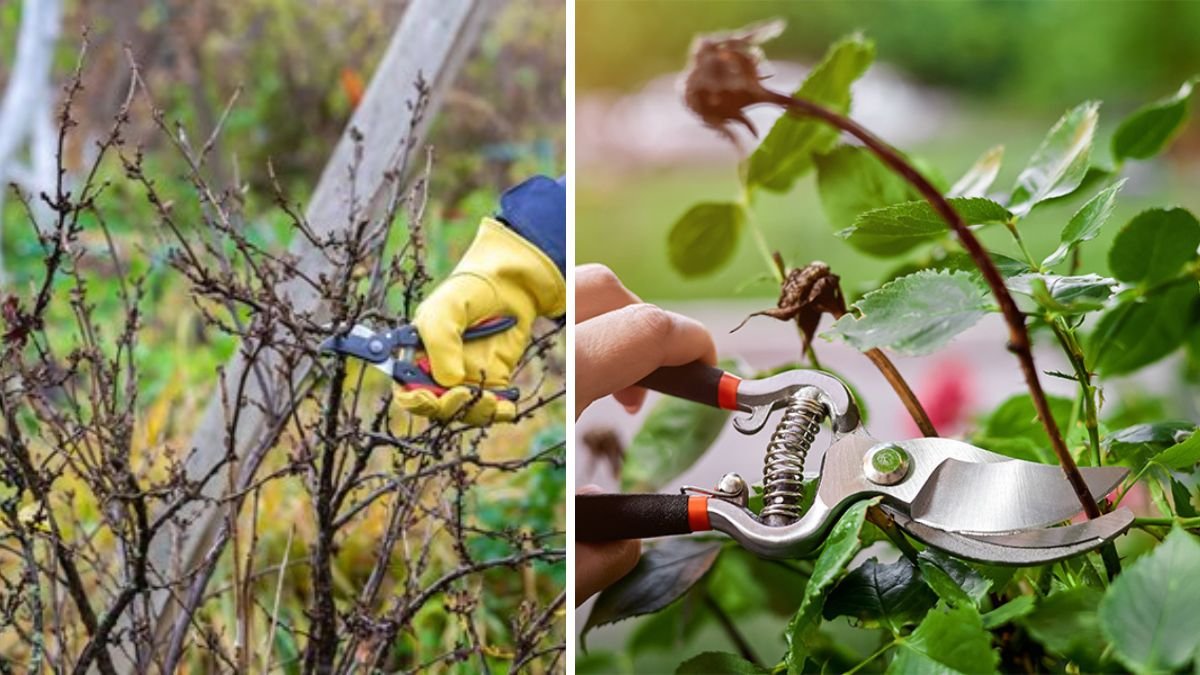
Pruning is one of the most important gardening practices for maintaining healthy, attractive plants. Done correctly, it encourages stronger growth, fuller foliage, better flowering, and fruit production. Done incorrectly, it can stress plants, stunt growth, or even lead to disease.
This guide will show you how to prune plants properly, including techniques, timing, and tools, to ensure your garden thrives.
Why Pruning Matters
Pruning isn’t just about keeping plants looking neat:
- Encourages healthy growth: Removing old or weak branches allows energy to focus on strong shoots
- Improves air circulation: Reduces the risk of fungal infections and pests
- Boosts flowering and fruiting: Concentrates energy on blooms and fruit production
- Shapes plants: Keeps plants compact and visually appealing
When to Prune
Timing depends on the plant type:
- Spring-flowering plants: Prune immediately after flowering to avoid cutting buds
- Summer-flowering plants: Prune in late winter or early spring before growth starts
- Evergreens: Light pruning any time of year to maintain shape
- Fruit trees: Late winter to early spring before new growth emerges
Pruning at the wrong time can reduce blooms or stress the plant.
Essential Pruning Tools
Having the right tools makes pruning easier and safer:
- Pruning shears: For small branches and stems
- Loppers: For thicker branches up to 2 inches
- Pruning saw: For large branches
- Gloves and protective gear: Prevent cuts and scratches
Keep tools clean and sharp to make precise cuts and reduce disease risk.
Basic Pruning Techniques
1. Deadheading
- Remove dead flowers to encourage new blooms
- Prevents energy waste and promotes continuous flowering
2. Thinning
- Remove weak, crowded, or crossing branches
- Improves air circulation and sunlight exposure
- Focus energy on stronger shoots
3. Heading
- Cut back part of a branch to stimulate branching
- Encourages fuller, bushier plants
4. Pinching
- Pinch young shoots with fingers to encourage lateral growth
- Useful for herbs, flowers, and houseplants
Step-by-Step Guide to Proper Pruning
- Inspect the plant: Look for dead, diseased, or overcrowded branches
- Remove damaged branches first: Cut at the base or back to healthy tissue
- Thin dense areas: Ensure air and light reach inner parts of the plant
- Shape the plant: Trim to desired height and form
- Step back and review: Avoid over-pruning; plants need enough leaves for photosynthesis
Pruning Common Plant Types
- Shrubs: Cut back old growth and shape lightly each year
- Fruit trees: Remove crossing branches and thin clusters for bigger fruit
- Roses: Remove dead wood and shape to an open vase form
- Houseplants: Pinch tips to encourage bushiness
Aftercare
- Water plants thoroughly after pruning
- Apply a light layer of mulch to protect roots
- Fertilize if needed to boost recovery and growth
Common Mistakes to Avoid
- Pruning too late in the season (removes flower buds)
- Removing too much foliage at once
- Using dull or dirty tools
- Ignoring disease or pest signs during pruning
Final Thoughts
Pruning is both an art and a science. By following proper techniques, using the right tools, and pruning at the correct times, you can create healthier, fuller, and more productive plants. With careful pruning, your garden will not only look better but thrive year after year.