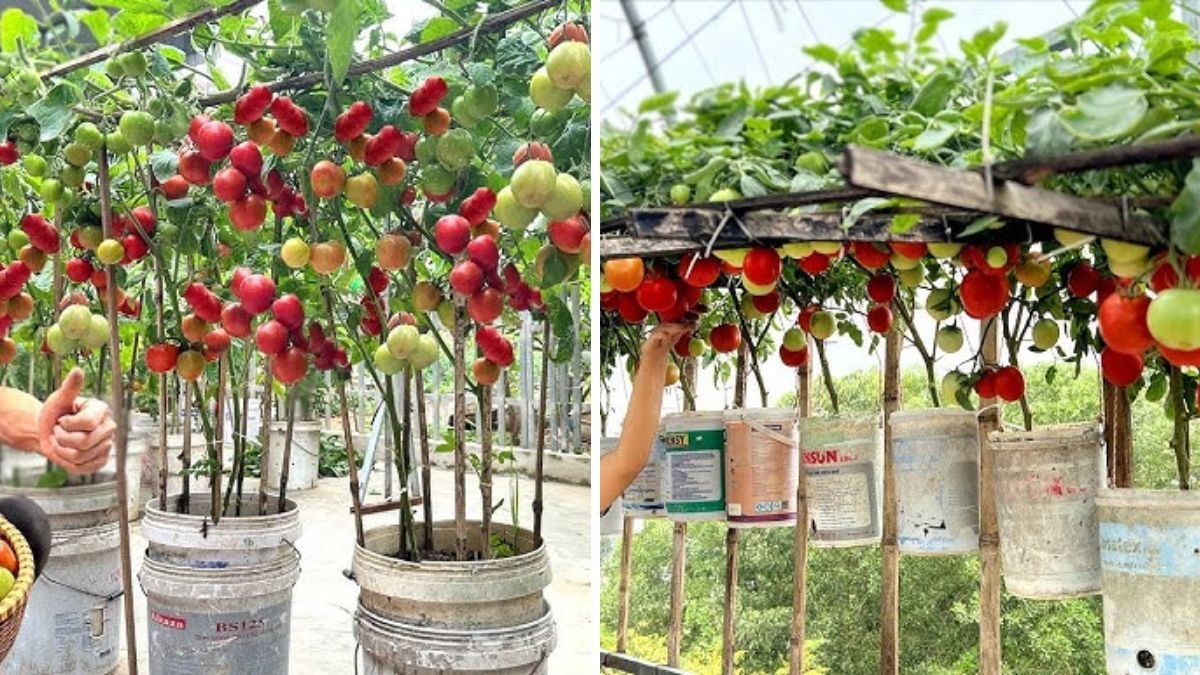
Tomatoes are one of the most widely cultivated and consumed vegetables in the world, but traditional farming methods require a lot of water — a resource that is increasingly scarce due to climate change, drought, and rising global demand. Today, innovative research and modern cultivation methods are revolutionizing how we grow tomatoes. Imagine growing juicy, flavorful tomatoes without constant watering while doubling your yield. This is not just a dream — it’s becoming a reality. In this article, we explore cutting-edge techniques, from dry farming and hydroponics to soil management and smart irrigation, to help you maximize productivity sustainably.
Why Growing Tomatoes Without Watering Matters
Water scarcity is one of the most critical challenges in agriculture. Tomato plants typically need significant amounts of water to produce healthy fruit. In regions facing drought or limited irrigation, traditional watering methods are unsustainable and expensive. Additionally, overwatering can reduce fruit quality, lead to disease, and waste valuable resources.
Innovative approaches, such as dry farming, hydroponics, and precision irrigation, are helping growers reduce water use while maintaining or even increasing yields. These methods are transforming tomato cultivation globally and opening new possibilities for gardeners, commercial growers, and sustainable agriculture advocates.
Dry-Farming: A Traditional Technique Reinvented
One of the most promising methods for water-efficient tomato cultivation is dry farming. This technique involves planting tomatoes in deeply tilled soil that retains moisture from the winter or early spring rains and then refraining from supplemental watering during the growing season.
Benefits of dry-farmed tomatoes:
- Water conservation: Plants thrive with minimal irrigation, often only relying on natural rainfall.
- Rich flavor: Dry-farmed tomatoes tend to have more concentrated flavors and higher sugar content.
- Cost-effective: Reduces water bills and energy spent on irrigation systems.
Challenges:
- Not all tomato varieties are suitable; drought-resistant types are ideal.
- Requires careful soil preparation and monitoring.
- Works best in regions with moderate rainfall in the early growing season.
Recent trials at the University of California-Santa Cruz show that certain tomato cultivars not only survive but flourish under dry-farmed conditions, producing fruit comparable in size to traditionally watered plants. Dry-farmed tomatoes are gaining popularity among farmers and chefs for their superior taste and sustainability.
Hydroponics: High Yield, Minimal Water
While dry farming is excellent for outdoor crops in specific climates, hydroponics offers a controlled, high-efficiency alternative. Hydroponic systems deliver water and nutrients directly to the plant roots without soil. This method dramatically reduces water usage — often by up to 70% — while providing optimal conditions for plant growth.
Key advantages of hydroponic tomato cultivation:
- Higher yields: Hydroponic tomatoes can produce 20–30% more fruit than soil-grown varieties.
- Controlled environment: Minimizes pest and disease issues.
- Flexible placement: Ideal for urban farming and greenhouses.
Popular hydroponic systems include Nutrient Film Technique (NFT), Deep Water Culture (DWC), and aeroponics. Each system has unique benefits, but all aim to maximize nutrient absorption and root efficiency while conserving water.
Soil Management and Aeration: Boost Growth Naturally
Even if water is limited, healthy, well-aerated soil can significantly enhance tomato growth. Research shows that soil with proper aeration allows roots to access oxygen more efficiently, which in turn improves nutrient uptake and overall plant vigor.
Techniques to optimize soil for tomato cultivation without heavy watering:
- Micro-nano bubble technology: Introduces oxygen into soil to enhance root respiration.
- Organic amendments: Compost and mulch help retain moisture while improving soil structure.
- Deep tilling: Encourages root penetration and maximizes water absorption from the subsoil.
These practices help plants make the most of limited water and nutrients, boosting both yield and fruit quality.
Precision Irrigation and Smart Farming
While “watering-free” cultivation is ideal, smart irrigation and precision agriculture can further reduce water usage while ensuring optimal plant growth. IoT sensors and automated irrigation systems monitor soil moisture in real time and provide water only when necessary.
Benefits of precision irrigation:
- Reduces water waste by targeting only the root zone.
- Prevents overwatering and associated plant diseases.
- Enhances yields by providing precise hydration based on plant needs.
Even though these systems don’t completely eliminate the need for water, they are highly effective for growers in water-limited areas who want to maximize productivity and sustainability.
Biological Drought Tolerance: Nature’s Solutions
Plant biologists are exploring how tomatoes naturally cope with drought stress. Certain tomato varieties produce compounds such as suberin in their roots, which helps reduce water loss during dry conditions. Breeding programs are leveraging these traits to create drought-tolerant cultivars that thrive with minimal irrigation.
Understanding the biology behind drought resistance can inform both traditional and modern cultivation methods, allowing growers to combine natural plant resilience with innovative techniques like hydroponics or dry farming.
Practical Tips for Growers
Whether you are a hobby gardener or a commercial producer, applying these techniques can transform your tomato yield without excessive watering:
- Choose drought-tolerant varieties: Some cultivars are naturally adapted to dry conditions.
- Implement dry-farming methods: Plant tomatoes in deep, moisture-retaining soil and avoid excessive irrigation.
- Use mulch and soil amendments: Mulch reduces evaporation and retains soil moisture.
- Consider hydroponics or greenhouse systems: Optimize water use and control plant environment for higher yields.
- Leverage smart irrigation: IoT sensors and precision watering systems save water while maximizing growth.
Combining these strategies can help achieve the ultimate goal: healthy, flavorful tomatoes with less water and higher yields.
Suggested Authoritative Sources
For credibility and further reading, consider referencing:
- University of California-Santa Cruz Dry Farming Research (kneedeeptimes.org)
- Hydroponic cultivation studies (spice.alibaba.com)
- Soil aeration research in BMC Plant Biology (link.springer.com)
- Precision irrigation and IoT applications (pubmed.ncbi.nlm.nih.gov)
- Agrivoltaics for water savings and increased productivity (cleanenergy.org)
Conclusion
[FOCUS KEYWORD] represents the future of sustainable tomato cultivation. Whether through traditional dry-farming techniques, high-tech hydroponics, soil optimization, or precision irrigation, growers can now produce more tomatoes with less water — a win for the environment, the economy, and food security.
By combining plant biology, innovative technology, and practical cultivation methods, gardeners and commercial farmers can reduce water usage, boost yields, and grow flavorful tomatoes that thrive in a changing climate.
The era of “watering-free” tomato farming is here — and the possibilities are endless.