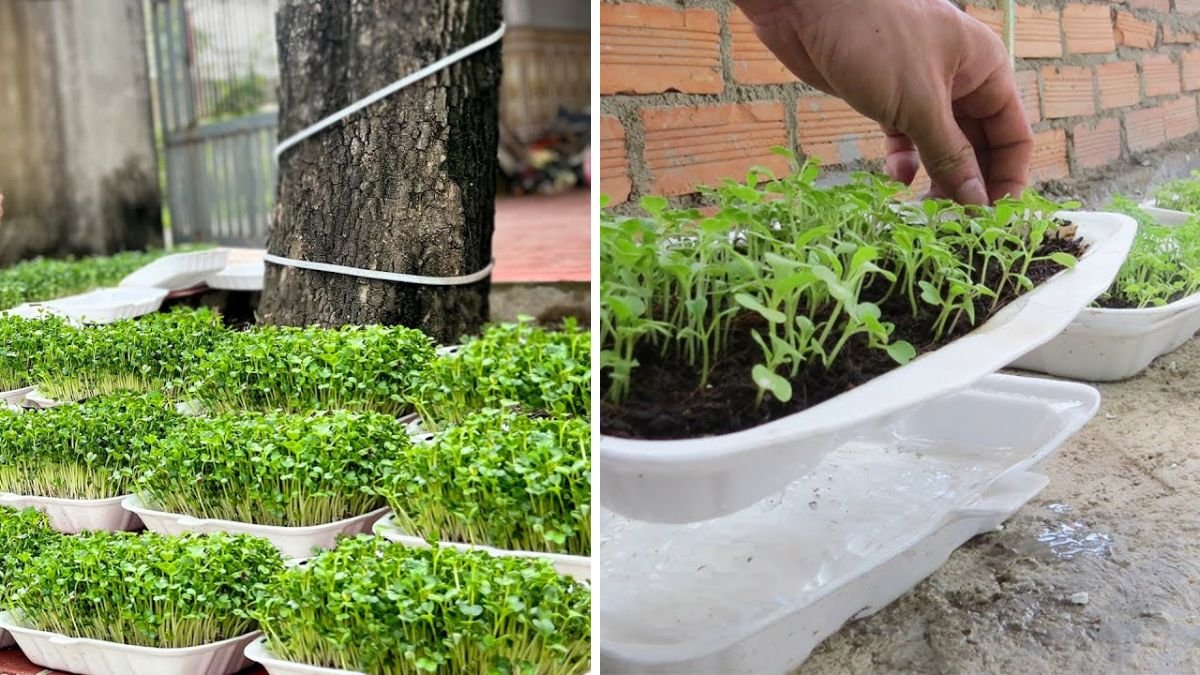
Growing your own vegetables has never been easier, even if you don’t have a backyard or garden space. Imagine being able to harvest fresh, nutritious vegetables faster than conventional gardening methods — using nothing but sand and water. While it may sound like gardening magic, soil-free systems such as sandponics and hydroponics make this possible. These methods are becoming increasingly popular among urban gardeners, hobbyists, and even commercial growers who want efficient, fast, and sustainable vegetable production.
In this article, we’ll explore how to grow vegetables super fast with just sand and water, the science behind it, the step-by-step setup, and practical tips to get maximum yields.
Why Grow Vegetables Using Sand and Water
Traditional gardening relies on soil to supply nutrients and support plant roots. However, soil-grown vegetables have some limitations: slow growth, susceptibility to pests and diseases, and variability in soil quality. Soil-free methods, on the other hand, allow you to control nutrient delivery, water supply, and root environment. Using sand as a growing medium combined with nutrient-rich water provides several advantages:
- Accelerated growth: Nutrients are directly available to plant roots, promoting faster development.
- Efficient water usage: Recirculating water reduces wastage, making it suitable for areas with limited water supply.
- Reduced pests and weeds: Without soil, most soil-borne pests and weeds are eliminated.
- Space-saving: Ideal for balconies, terraces, and indoor setups where traditional gardens are not possible.
These benefits explain why soil-free systems have gained global attention. From urban apartments to commercial hydroponic farms, sand and water systems are revolutionizing the way vegetables are grown. (TechSci Research)
Understanding Sandponics and Hydroponics
Soil-free gardening encompasses a variety of techniques, with hydroponics and sandponics being the most common:
Hydroponics
Hydroponics involves growing plants in nutrient-enriched water without soil. Plants receive all essential nutrients directly from the water, allowing faster growth and higher yields. Hydroponics can be set up in trays, containers, or vertical systems, making it versatile for indoor or urban environments. (USDA NAL)
Sandponics
Sandponics uses coarse sand as a support medium while plants receive nutrients entirely through water. The sand provides stability for roots, excellent drainage, and aeration, while water delivers all nutrients directly. This method is simple, cost-effective, and ideal for growing leafy greens, herbs, and small fruiting vegetables rapidly. (TechSci Research)
Both techniques share the key advantage of accelerating vegetable growth by providing precise nutrient delivery and optimal root aeration.
How Sand and Water Accelerate Vegetable Growth
Growing vegetables with just sand and water works because it optimizes three critical aspects of plant growth:
- Direct nutrient delivery: Plants absorb nutrients immediately from water, reducing energy spent extracting nutrients from soil particles.
- Better root oxygenation: Sand allows air to circulate freely around roots, promoting faster and healthier root development.
- Controlled environment: Water quality, nutrient concentration, and root exposure can be managed precisely, resulting in faster, more uniform growth.
These factors combined allow vegetables to grow faster than in traditional soil gardens. Many urban growers report being able to harvest vegetables in weeks instead of months. (Times of India)
Step-by-Step Guide to Growing Vegetables With Sand and Water
Here’s a simple method for beginners to set up a sand and water vegetable system at home:
Step 1: Prepare the Sand Medium
Use coarse, washed sand to ensure good drainage and aeration. Sand does not provide nutrients, so it acts only as a physical support for the roots. Avoid clay-rich or fine sands, as they can compact and suffocate roots. (TechSci Research)
Step 2: Set Up a Water Reservoir
You’ll need a container or tray filled with water and a nutrient solution suitable for the vegetables you want to grow. For leafy greens, a balanced hydroponic solution works best. For fruiting vegetables, adjust the nutrient mix to include higher potassium and phosphorus levels.
Step 3: Plant Seeds or Seedlings
Insert seeds or seedlings into the sand, ensuring roots can reach the nutrient solution. Keep spacing appropriate for the plant type — leafy greens need closer spacing, while fruiting vegetables require more room.
Step 4: Irrigate or Circulate Nutrients
Depending on your system, water can be supplied continuously, periodically, or via passive methods like the Kratky technique. Ensure the sand remains moist and nutrient-rich water reaches all roots. (Wikipedia Kratky Method)
Step 5: Provide Adequate Light
Vegetables need light for photosynthesis. If growing indoors, supplement natural sunlight with LED grow lights. Aim for 10–12 hours of light per day to achieve maximum growth speed.
Step 6: Monitor and Maintain
Check water pH and nutrient levels regularly to avoid deficiencies. Maintain good airflow around plants and remove any yellowing or unhealthy leaves promptly to prevent disease spread.
Vegetables Ideal for Sand and Water Systems
While most vegetables can be adapted to sand and water cultivation, the fastest-growing and most successful types include:
- Leafy greens: Lettuce, spinach, kale
- Herbs: Basil, mint, cilantro, parsley
- Microgreens: Arugula, radish, sunflower shoots
- Small fruiting vegetables: Cherry tomatoes, peppers, and baby cucumbers
Leafy greens are particularly fast-growing, often ready to harvest in 3–4 weeks, making them perfect for beginners.
Advantages Over Traditional Gardening
Using sand and water for vegetable growth offers multiple benefits compared to soil gardening:
- Faster harvests: Nutrient delivery is more efficient.
- Space efficiency: Suitable for small apartments, terraces, and balconies.
- Water conservation: Recirculating water reduces waste.
- Cleaner produce: Soil-free vegetables are easier to clean and usually pest-free.
For urban growers, this method provides a sustainable way to produce fresh vegetables year-round.
Challenges and How to Overcome Them
Even soil-free systems require care. Common challenges include:
- Nutrient imbalance: Regularly check nutrient levels and adjust as necessary.
- Root rot: Avoid overwatering or poor drainage. Sand must remain moist, not waterlogged.
- Light shortages: Use supplemental grow lights if sunlight is limited.
- Pest management: Although pests are fewer, indoor insects like aphids may appear; use natural repellents if necessary.
By anticipating these issues, you can ensure a continuous, high-yield harvest.
Real-World Applications
Sand and water growing systems are not just for homes — they’re part of modern agriculture and research:
- Commercial hydroponic farms produce leafy greens and herbs at high speed using similar systems.
- Urban farmers in India and other countries are adopting sandponics for balconies, rooftops, and community gardens. (Times of India)
- Integrated aquaponics combines fish farming with sand or hydroponic vegetables for a sustainable cycle of food production. (Better India)
These systems demonstrate that growing vegetables super fast with sand and water is not just theoretical — it’s practical, scalable, and accessible to anyone.
Authoritative Sources for Further Learning
- USDA National Agricultural Library – Hydroponics: Detailed guide on soil-free growing systems. (nal.usda.gov)
- TechSci Research – Sandponics: Research on sand-based rapid growth vegetable cultivation. (techsciresearch.com)
- Times of India – Urban Soil-Free Gardening: Examples of urban farmers adopting sand and water methods. (timesofindia.indiatimes.com)
- Wikipedia – Kratky Method: Passive hydroponic technique ideal for beginners. (en.wikipedia.org)
Conclusion
Growing vegetables super fast with just sand and water is a revolutionary method for home gardeners and urban growers. By combining sand as a support medium and nutrient-rich water for feeding, you can achieve faster growth, higher yields, and year-round harvests without traditional soil.
Whether you’re an apartment dweller, urban farmer, or beginner gardener, adopting sand and water systems opens the door to fresh, healthy, and sustainable vegetables right at home. With proper care, lighting, and nutrient management, anyone can experience the joy of harvesting homegrown vegetables faster than ever before.
Start today, and transform your home into a mini vegetable farm — no backyard required, just sand, water, and a bit of patience! 🌱