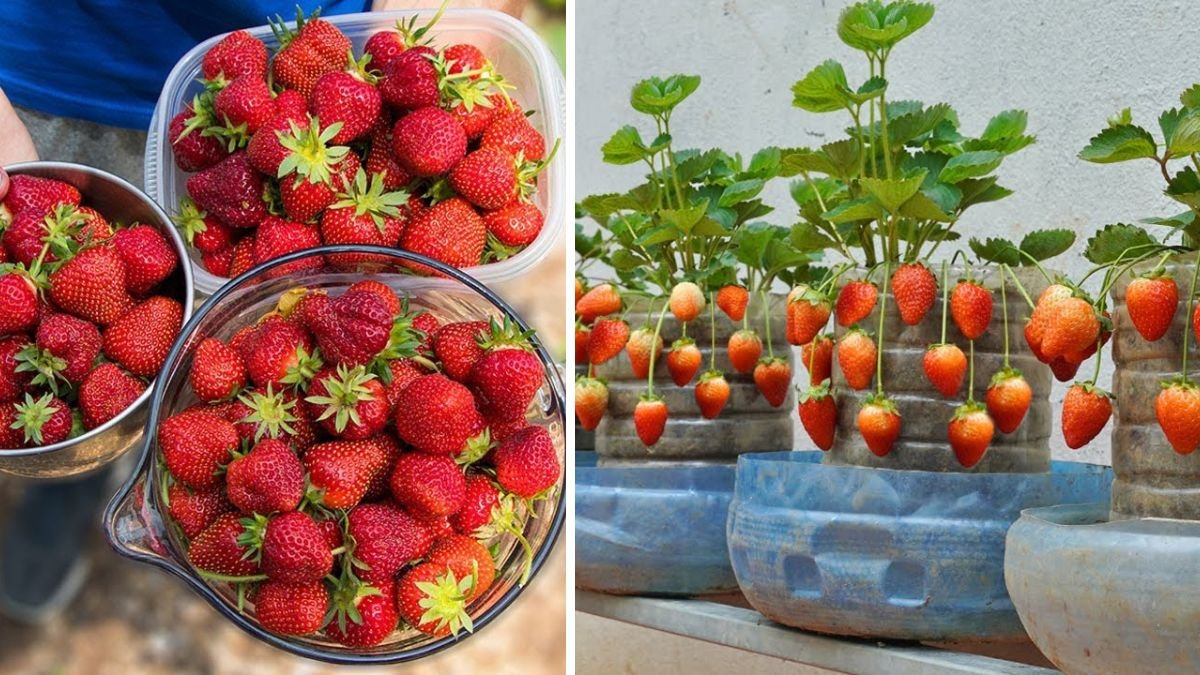
Growing strawberries from seeds is one of the most rewarding gardening endeavors for both beginners and seasoned horticulturists. Unlike buying established plants, starting from seeds allows gardeners to access unique strawberry varieties, experiment with heirlooms, and save money. However, seed propagation requires patience, careful handling, and proper techniques to ensure successful germination and healthy plants. In this guide, we cover everything you need to know about growing strawberries from seeds, including the latest 2026 tips, indoor and outdoor cultivation practices, and insights from recent research.
Why Choose Seeds Over Nursery Plants?
While nursery plants produce fruit faster, seeds offer several advantages:
- Greater variety options: Grow rare or heirloom strawberries that may not be available as plants.
- Cost-effective: Buying seeds is usually cheaper than purchasing fully grown plants.
- Genetic diversity: Seeds provide a chance to experiment with unique traits in flavor, color, and growth habit.
However, growing from seeds is slower. Most strawberry plants from seeds take 6–18 months to bear fruit, and seedlings require careful attention during early growth stages.
Commercially, the industry is also seeing a shift toward high-tech seed propagation. Techniques like sowing F1 hybrid seeds on stone wool substrates have shown higher uniformity, quality, and flexibility in year-round production compared to traditional cuttings.
Step-by-Step Guide to Growing Strawberries from Seeds
1. Preparing Your Seeds: Cold Stratification
Strawberry seeds have natural dormancy mechanisms that must be broken for successful germination. Cold stratification is the process of simulating winter to prepare seeds:
- Place seeds on a moist paper towel.
- Seal the towel in a resealable plastic bag.
- Refrigerate for 3–4 weeks at around 1–3°C (34–37°F).
Check the seeds periodically, keeping them moist but avoiding mold. Stratification can increase germination rates from under 15% to around 75%, making it a crucial step.
2. Sowing the Seeds
Once stratified, sow seeds carefully:
- Use a sterile, well-draining seed-starting mix.
- Do not bury seeds; press them gently on the soil surface as strawberry seeds need light to germinate.
- Mist the surface lightly and cover with clear plastic to maintain humidity.
- Keep temperatures between 18–24°C (65–75°F).
Germination may take 1–6 weeks, requiring patience and consistent care.
3. Seedling Care
Once sprouts appear, ensure they receive:
- Bright light: 12–16 hours per day from grow lights or a sunny window.
- Air circulation: Helps prevent fungal diseases.
- Individual pots or trays: Transplant seedlings when they develop true leaves to avoid overcrowding.
Seedlings are delicate, so avoid overwatering or exposing them to extreme conditions.
Optimal Growth Conditions
Sunlight and Location
Strawberries thrive in full sun (6–8 hours daily) and well-draining soil with a slightly acidic pH (5.5–6.5). Raised beds or containers enriched with compost are ideal.
Watering and Fertilization
- Keep soil moist but not soggy.
- Avoid letting seedlings dry out or remain waterlogged.
- Mulch outdoor plants to retain moisture and suppress weeds.
Transplanting Outdoors
After seedlings develop multiple leaves and strong roots, transplant them outdoors or to larger pots. Space plants 30–45 cm (12–18 inches) apart to ensure proper airflow and reduce disease risk.
Common Challenges and Solutions
Pollination
Indoor growers may need to hand-pollinate flowers using a soft brush to ensure fruit set. Outdoor plants usually rely on insects like bees.
Pests and Diseases
- Prevent mold and damping-off disease by using sterile soil and maintaining good air circulation.
- Remove diseased seedlings immediately and avoid overcrowding.
Patience and Timing
Plants grown from seeds are slower than nursery plants. Many gardeners notice first fruiting in the second season, making patience a key ingredient for success.
Advanced Tips for Maximum Yield
- Use quality seeds: Heirloom or hybrid seeds from reputable suppliers yield better results.
- Monitor soil pH: Slightly acidic soil encourages nutrient uptake.
- Rotate crops: Avoid planting strawberries in the same spot repeatedly to reduce soil-borne diseases.
- Container gardening: Ideal for small spaces or urban gardeners, allowing better control of soil and water conditions.
Latest Trends in Strawberry Cultivation (2026)
Recent research highlights exciting advancements in strawberry propagation:
- Hybrid seeds on stone wool: Commercial growers are using stone wool to produce uniform plants with higher fruit quality.
- Indoor and urban gardening: More home gardeners are adopting indoor cultivation with grow lights and containers to extend the growing season.
- Sustainable practices: Organic fertilizers, drip irrigation, and integrated pest management are becoming mainstream to ensure eco-friendly production.
These trends show that even small-scale gardeners can adopt some innovative techniques to improve yield, reduce disease risk, and enjoy strawberries year-round.
Authoritative Sources for Further Reading
For deeper insights and research-backed guidance, check:
- USDA: Strawberry planting and variety guides.
- National Gardening Association: Cultivation basics and seasonal care.
- Royal Horticultural Society (RHS): Propagation techniques and plant care.
- University Extension Services: Local climate-specific growing tips (e.g., Cornell, Oregon State).
Final Thoughts
Growing strawberries from seeds is a blend of science, patience, and creativity. While slower than nursery plants, seed propagation opens doors to unique varieties, improved knowledge, and the satisfaction of nurturing plants from tiny seeds into thriving fruit-bearing specimens.
By following the 2026 best practices—cold stratification, careful sowing, proper light and watering, and adopting modern cultivation trends—you can enjoy a successful harvest and healthy strawberry plants year after year.
Whether you are a backyard gardener experimenting with heirloom varieties or a home grower exploring indoor cultivation, growing strawberries from seeds can be one of the most fulfilling gardening experiences, offering sweet rewards for your patience and dedication.