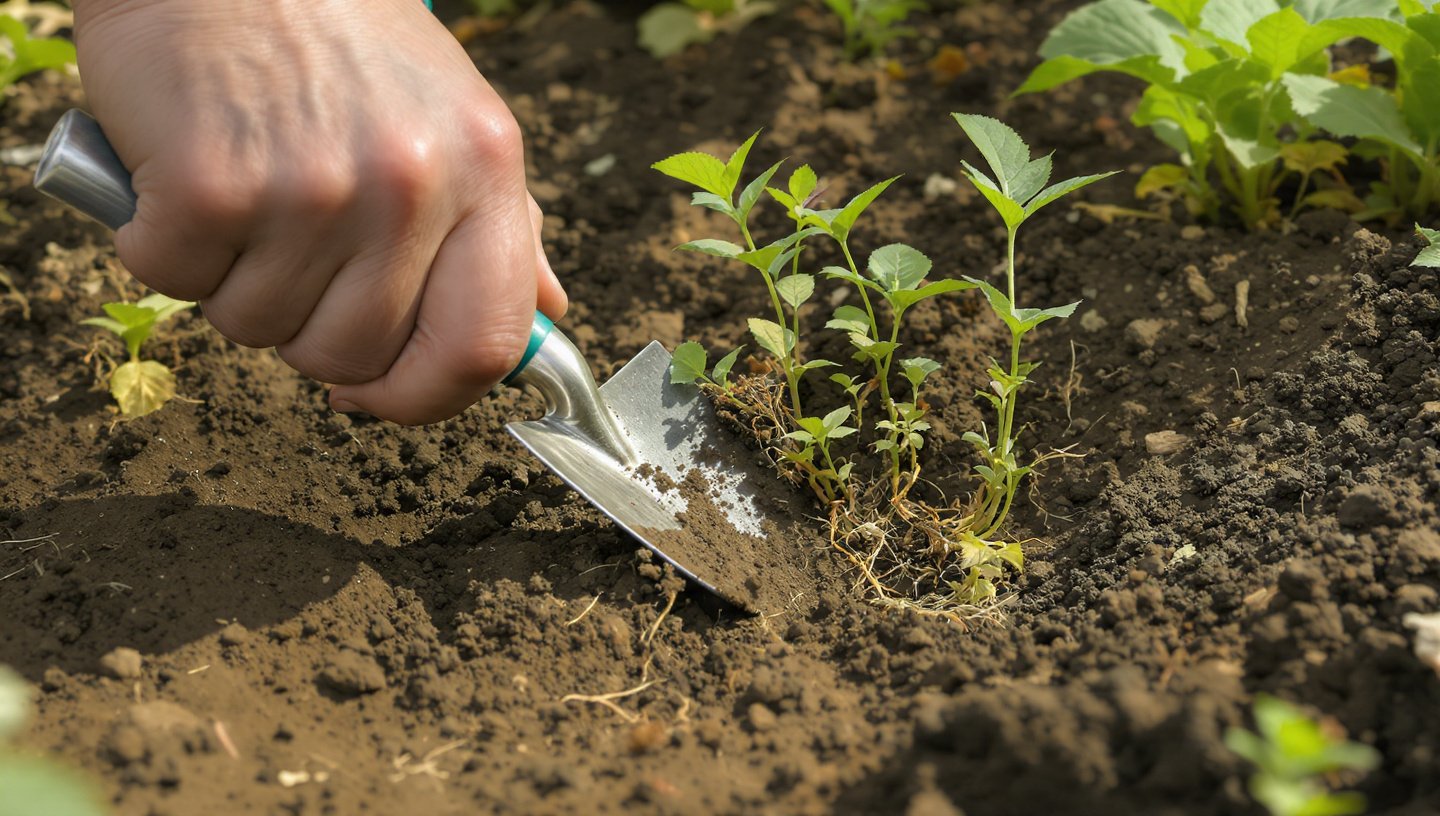
Weeds can be a gardener’s worst nightmare, sprouting up in the most inconvenient places and competing with your plants for resources. While pulling weeds might seem straightforward, there are several essential considerations to keep in mind to ensure that you maximize your efforts and protect your garden’s health.
1. Identify the Weeds
The first step in any effective weed management strategy is to identify the types of weeds you are dealing with. Weeds can be classified into several categories:
- Annual Weeds: These weeds complete their life cycle in one season. Common examples include crabgrass and dandelions.
- Perennial Weeds: These weeds live for multiple years and can be particularly challenging to manage. Examples include bindweed and thistle.
- Biennial Weeds: These plants typically live for two years, flowering in the second year. Examples are burdock and mugwort.
Understanding the lifecycle of the weeds you are tackling will help in determining the best methods for removal and prevention.
2. Understand the Weeds’ Growth Conditions
Weeds thrive under specific conditions. By understanding these conditions, you can manage their growth more effectively. Common factors that facilitate weed growth include:
- Soil Health: Weeds often flourish in nutrient-rich and loose soils. Conduct soil tests to determine nutrient levels and pH. Balancing soil nutrients can help in reducing weed proliferation.
- Moisture Levels: Overwatering can create a perfect environment for weeds. Make sure to water your plants adequately, as proper moisture management helps limit weed growth.
- Sunlight: Weeds typically prefer full sun, so monitoring the amount of sunlight your garden receives can help you plan your planting and weeding strategies more effectively.
3. Timing is Everything
When you pull weeds is just as important as how you do it. Understanding the optimal times for weeding can make a significant difference:
- Early Spring: This is often the best time to catch annual weeds before they go to seed.
- After Rain: Weeding following rainfall can make the process easier as the soil is softer, allowing for more effortless removal of the entire root system.
- Before Flowering: For perennials, ensure you remove them before they flower and produce seeds.
4. Use the Right Tools
Having the right tools can make a world of difference when pulling weeds. Consider the following tools:
- Hand Pullers: Great for small weeds and tight spaces, these tools allow for precise removal.
- Hoe: This tool is handy for larger areas. It can help dislodge weeds from their roots efficiently.
- Weed Barrier Fabric: Using this fabric in gardens can help prevent weed germination while allowing water and nutrients to reach the soil.
5. Consider Organic Herbicides
If pulling weeds manually proves ineffective, exploring organic herbicides might be beneficial. Some effective options include:
- Vinegar: The acetic acid in vinegar can be a potent herbicide for young weeds.
- Salt: Applying salt to weeds can dehydrate them, but caution is needed as it can alter soil composition.
- Boiling Water: Pouring boiling water directly on weeds can kill them without affecting nearby plants.
6. Prevent Future Growth
To effectively manage weeds long-term, consider implementing preventive measures:
- Mulching: Applying mulch can smother weeds and retain soil moisture for your plants.
- Dense Planting: A well-planned garden with closely spaced plants can reduce sunlight for weeds.
- Regular Maintenance: Establishing a routine of regular weeding will limit the growth of more extensive weed populations.
Conclusion
Pulling weeds might seem like a simple chore, but several crucial factors affect its efficacy. From identifying weeds correctly to understanding when and how to pull them, each step is essential for effective garden management. By taking the time to educate yourself about the weeds in your garden and implementing strategic removal and prevention techniques, you can create a more vibrant and productive garden environment.
FAQs
1. What is the best time of year to pull weeds?
The best time is usually in early spring before they set seed, or after a rain when the soil is wet and soft.
2. Will pulling weeds by hand really remove their roots?
Yes, but it’s essential to pull from the base of the weed and ensure the roots come out entirely; otherwise, they may regrow.
3. Can herbicides harm my other plants?
Yes, many herbicides can harm nearby plants. Always check labels carefully and consider using spot treatments or organic options.
4. How can I tell if a weed is an annual or perennial?
Research the specific weeds in your area. Generally, annual weeds die off after one growing season, while perennials return year after year.
5. What organic methods can I use to control weeds?
Using boiling water, vinegar, salt, or mulch are effective organic methods to manage weed growth in your garden.