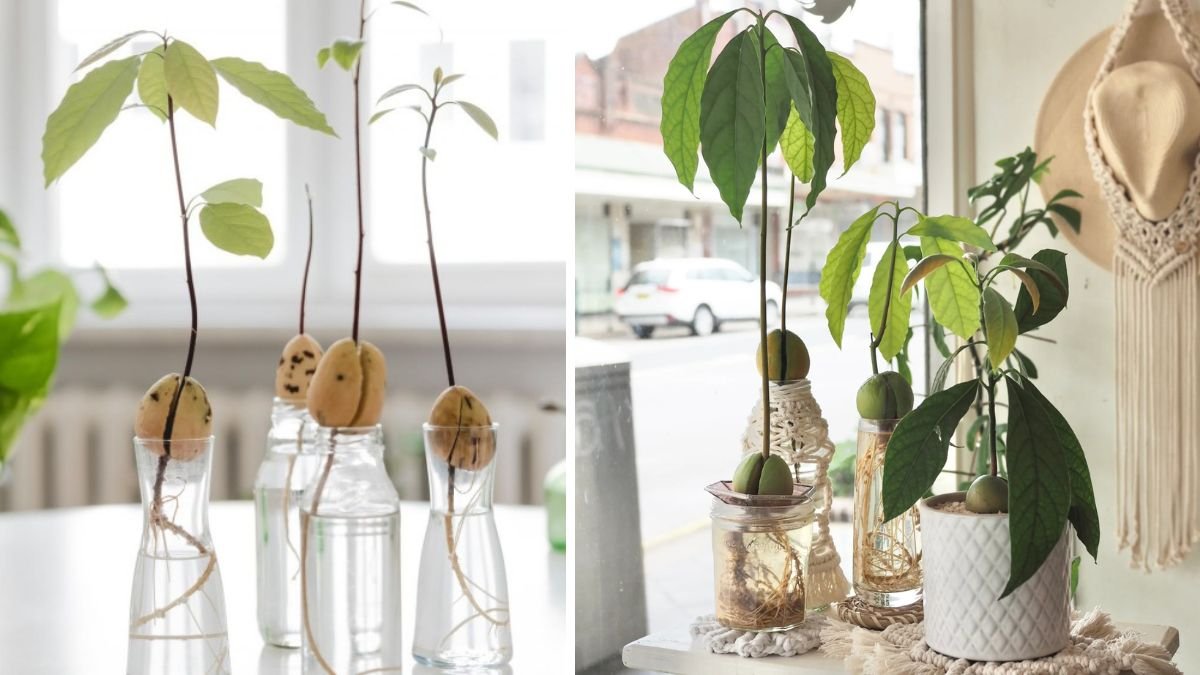
There’s something magical about growing a plant from scratch, especially when it’s a tropical favorite like the avocado. Known for its creamy, nutrient-rich fruit, avocado is a staple in kitchens around the world. But did you know you can start your very own avocado plant from a single pit? According to horticulture experts, growing an avocado from seed is not only a rewarding project but also surprisingly simple when done step by step.
This guide will walk you through the process of starting your own avocado plant, caring for it as it grows, and tips for long-term indoor or outdoor success.
Why Grow an Avocado Plant?
Growing an avocado from seed offers several benefits:
- Educational experience: Learn about germination, plant growth, and patience.
- Decorative greenery: Even before it bears fruit, an avocado plant makes an attractive indoor plant.
- Sustainable gardening: Reduces waste and reliance on store-bought seedlings.
- Sense of accomplishment: Watching a seed transform into a leafy plant is highly rewarding.
Experts note that while it can take years for a plant grown from seed to produce fruit (if it ever does), the process of growing one is educational and satisfying.
Step 1: Selecting Your Avocado Seed
- Choose a healthy fruit: Start with a ripe avocado from the store or your own harvest.
- Remove the pit carefully: Wash off all the fruit flesh without damaging the seed’s brown skin.
- Inspect the pit: It should be firm, unblemished, and free of cracks or mold.
Experts emphasize that the health of your seed is crucial for successful germination.
Step 2: Preparing the Seed for Germination
There are a few common methods to start your avocado seed, but the most popular and reliable is the toothpick and water method:
- Insert toothpicks: Insert 3–4 toothpicks around the middle of the seed, angled slightly downward. These will act as support for suspending the seed over water.
- Submerge in water: Place the broad end of the seed in a glass of water so it’s partially submerged, while the narrow tip faces upward.
- Change water regularly: Refresh water every 3–4 days to prevent mold and bacteria growth.
- Place in light: Keep the glass in a warm, bright spot with indirect sunlight.
Experts note that it typically takes 2–8 weeks for the seed to sprout, depending on temperature and seed viability.
Step 3: Watching Your Seed Sprout
- Root development: First, a root will emerge from the bottom of the seed. This can be 2–4 inches long before the stem appears.
- Shoot emergence: Next, a shoot will grow from the top, eventually developing leaves.
- Patience is key: Some seeds take longer to sprout, so consistent care is essential.
Experts recommend marking the date you start the seed to track progress and stay patient—germination can take several weeks.
Step 4: Transferring to Soil
Once your seed has a strong root and a 6–8 inch stem with leaves:
- Choose a pot: A 6–8 inch pot with drainage holes is ideal.
- Soil: Use a loose, well-draining potting mix; avocado roots are sensitive to soggy soil.
- Plant carefully: Place the seed in soil with the top half exposed, leaving the stem and leaves above the soil line.
- Watering: Keep the soil slightly moist but not waterlogged.
Experts emphasize that proper soil and pot selection are essential to avoid root rot and encourage strong growth.
Step 5: Caring for Your Avocado Plant
- Light: Avocado plants prefer bright, indirect sunlight. 6–8 hours daily is ideal.
- Temperature: Maintain warmth; they thrive at 60–85°F (15–29°C). Avoid cold drafts.
- Watering: Water when the top inch of soil is dry; overwatering can kill the plant.
- Fertilization: Apply a balanced liquid fertilizer once a month during the growing season.
Experts also suggest turning the plant occasionally to ensure even growth and prevent leaning toward the light source.
Step 6: Pruning and Training
Pruning encourages bushier growth and prevents legginess:
- Pinch new growth: When the stem reaches 12 inches, pinch the top leaves to encourage branching.
- Remove dead leaves: Regularly trim yellowing or damaged leaves.
- Support young plants: For taller plants, stakes or small trellises can help maintain upright growth.
According to horticulturists, pruning helps create a fuller, healthier plant while maintaining attractive form.
Step 7: Long-Term Growth Considerations
Avocado plants can grow quite large over time:
- Indoor growth: Keep the plant in a container and prune to control size.
- Outdoor transplant: If you live in USDA zones 9–11, you can eventually move the plant outside.
- Patience with fruiting: Seed-grown plants may take 5–13 years to bear fruit, if at all. Grafted nursery plants fruit faster.
Experts highlight that even without fruit, an avocado plant provides ornamental value and lush greenery.
Step 8: Pests and Disease
- Common issues: Spider mites, aphids, and root rot from overwatering.
- Prevention: Maintain proper watering, air circulation, and inspect leaves regularly.
- Treatment: Neem oil, insecticidal soaps, and pruning affected areas can help control pests.
Horticulturists stress that vigilance in early stages prevents small problems from becoming serious.
Step 9: Propagation
Once your avocado plant matures, you can propagate new plants:
- Cuttings: Take a healthy stem cutting and root it in water or soil.
- Division: Mature plants may produce side shoots suitable for planting separately.
Experts recommend propagation as a way to expand your indoor garden and share plants with friends and family.
Step 10: Benefits of Growing Your Own Avocado
- Educational: Understand plant life cycles from seed to mature plant.
- Indoor greenery: Adds lush foliage and aesthetic appeal to living spaces.
- Potential fruit production: Growing from seed offers the chance of homegrown avocados.
- Sustainability: Reduces waste and promotes self-sufficiency.
- Therapeutic: Watching a plant grow fosters patience and mindfulness.
According to horticulturists, the satisfaction of nurturing a plant from a seed is one of the most rewarding aspects of indoor gardening.
Final Thoughts
Growing an avocado plant from scratch is a fun and educational process that requires patience, attention, and care. Experts agree that the keys to success are selecting a healthy seed, providing proper light, maintaining consistent moisture, and practicing regular pruning.
Even if your indoor avocado plant never produces fruit, it offers lush greenery, aesthetic appeal, and the satisfaction of nurturing life from a seed. For those who enjoy gardening, experimenting with avocado seeds provides a unique and rewarding way to connect with plants while adding natural beauty to your home.
With the right conditions, care, and a little patience, anyone can enjoy the journey of watching a tiny pit transform into a thriving, leafy avocado plant. It’s an experience that combines science, artistry, and nature, right in the comfort of your own home.