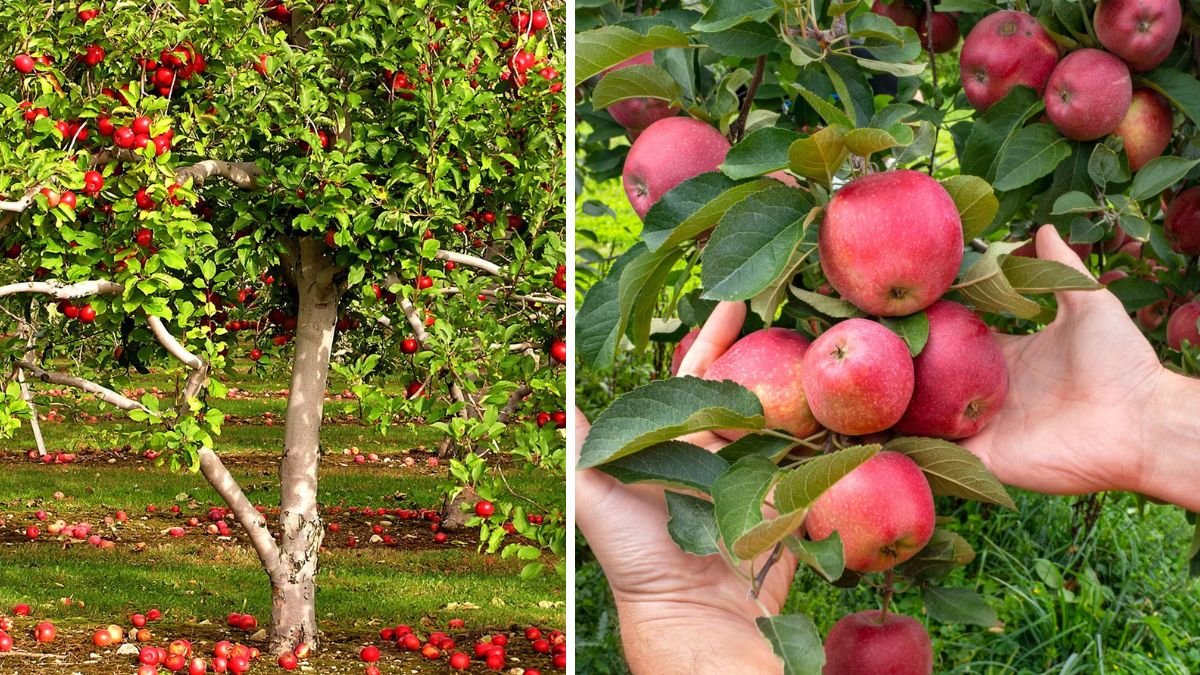
Fruit trees can transform a garden, offering beauty, shade, and, most importantly, bountiful harvests for years to come. However, planting them successfully requires careful timing, preparation, and ongoing care. Experts in horticulture emphasize that the key to “fruitful” results lies in selecting the right tree, understanding your climate, and following proven planting and maintenance practices.
This guide explains how to choose, plant, and care for fruit trees to ensure healthy growth and abundant fruit production.
Why Proper Timing Matters
Planting at the right time allows young fruit trees to establish strong roots before the stress of extreme temperatures or active fruit production. Experts recommend:
- Spring planting: Ideal in regions with mild winters. Trees have the entire growing season to develop roots.
- Fall planting: Works well in temperate climates. The soil is still warm, encouraging root growth, while dormant trees are less stressed.
- Avoid summer extremes: Planting during peak heat can stress young trees and reduce survival rates.
Timing also depends on whether you’re planting bare-root trees, container-grown trees, or balled-and-burlapped specimens. Bare-root trees are typically planted in late winter to early spring before buds break, while container trees can be planted almost any time the ground is workable.
Selecting the Right Fruit Tree
Choosing the right variety is essential for success:
- Climate suitability: Consider chill hours, frost tolerance, and heat requirements. Apples, cherries, and pears often need more chill hours, while citrus thrives in warmer zones.
- Pollination needs: Some trees are self-pollinating, while others require a compatible pollinator nearby. Experts recommend planting two or more varieties if cross-pollination is necessary.
- Space and size: Decide between dwarf, semi-dwarf, or standard trees based on available space. Dwarf trees are easier to manage and harvest but still produce significant fruit.
- Disease resistance: Select varieties known for resistance to common local pests and diseases.
Horticulturists stress that careful variety selection sets the foundation for long-term productivity and reduces maintenance challenges.
Preparing the Planting Site
Healthy soil and proper site selection are critical:
- Sunlight: Fruit trees need at least 6–8 hours of direct sunlight per day for optimal flowering and fruiting.
- Soil: Well-draining soil prevents root rot. Sandy loam with added compost or organic matter is ideal.
- Space: Avoid crowded plantings. Allow for mature canopy width and airflow to reduce disease risk.
- pH: Most fruit trees prefer slightly acidic to neutral soil (pH 6–7). Test soil and amend as needed.
Experts recommend clearing weeds, rocks, and debris, and loosening the soil to encourage strong root growth before planting.
Step-by-Step Planting Guide
- Dig the hole: Make it twice as wide and slightly deeper than the tree’s root ball to allow roots to spread.
- Inspect roots: For bare-root trees, trim broken or damaged roots. For container trees, gently loosen circling roots to prevent girdling.
- Position the tree: Place it so the root flare (where roots meet the trunk) is at soil level. Avoid planting too deep.
- Backfill carefully: Fill the hole with native soil mixed with compost. Gently tamp down to remove air pockets.
- Water thoroughly: Saturate the soil around the roots to settle them in and reduce transplant shock.
- Mulch: Apply a 2–3 inch layer of organic mulch around the base, keeping it 2–3 inches away from the trunk to prevent rot.
Experts note that proper planting depth and careful handling of roots are among the most common determinants of long-term tree health.
Watering and Fertilization
Young fruit trees need consistent water to establish roots:
- Watering: Keep soil moist but not waterlogged for the first year. Deep watering once or twice a week encourages deep root development.
- Fertilization: Wait until after the first growing season to fertilize heavily. Use a balanced, slow-release fertilizer or one formulated for fruit trees.
- Observation: Yellowing leaves or stunted growth may indicate nutrient deficiencies or poor soil drainage.
Horticulturists emphasize that overwatering can be as harmful as underwatering, leading to root rot and poor fruit set.
Pruning and Training
Pruning is essential for tree structure, airflow, and fruit production:
- Initial pruning: Shape young trees to establish a strong central leader or open vase form depending on the species.
- Annual pruning: Remove dead, diseased, or crossing branches each winter while the tree is dormant.
- Fruit thinning: Reduce crowded fruit to improve size and quality.
Experts stress that correct pruning encourages healthy growth, prevents disease, and enhances long-term productivity.
Pest and Disease Management
Even well-cared-for fruit trees can face challenges from pests and diseases:
- Common pests: Aphids, scale, and caterpillars can damage leaves and fruit.
- Diseases: Fungal infections such as powdery mildew, fire blight, or leaf spot are common in certain climates.
- Prevention: Provide good air circulation, remove fallen leaves, and monitor for early signs of infection. Organic sprays or horticultural oils may help.
Experts recommend integrated pest management, combining cultural practices, regular monitoring, and targeted treatments to keep trees healthy.
Seasonal Care
- Spring: Water consistently, monitor for pests, and apply balanced fertilizer if needed.
- Summer: Mulch to retain moisture, prune lightly, and thin fruits as they develop.
- Fall: Harvest fruit and apply slow-release fertilizer to support root growth.
- Winter: Dormant trees benefit from pruning, mulching, and protection from harsh frost.
Seasonal care ensures that trees remain productive and resilient year after year.
Tips for Maximizing Fruit Production
- Choose the right rootstock: Determines tree size, disease resistance, and fruiting speed.
- Pollination strategy: Plant multiple varieties if needed and attract pollinators with companion flowers.
- Mulching and composting: Supports soil health and water retention.
- Regular monitoring: Check for pests, diseases, and nutrient deficiencies to prevent long-term problems.
- Patience: Many fruit trees take 2–5 years to reach full production, depending on the species and variety.
Horticulturists remind gardeners that careful attention to these details results in higher yields, better fruit quality, and long-term success.
Benefits of Planting Fruit Trees
- Fresh, homegrown fruit: Enjoy apples, pears, plums, peaches, or cherries right from your yard.
- Shade and beauty: Mature trees enhance garden aesthetics and provide cooling shade.
- Wildlife support: Trees attract birds, bees, and beneficial insects.
- Sustainability: Growing your own food reduces reliance on store-bought produce.
Experts agree that a well-planned fruit tree garden is a long-term investment in both beauty and nourishment.
Final Thoughts
Planting fruit trees is a rewarding endeavor that combines patience, planning, and care. Experts highlight that success depends on:
- Selecting the right species and variety for your climate and space
- Planting at the proper time, with attention to soil, drainage, and sunlight
- Providing consistent watering, fertilization, and pruning
- Monitoring for pests and disease throughout the year
By following expert guidance, gardeners can enjoy healthy, productive fruit trees that provide abundant harvests and long-term beauty. With proper planning and attention, a single well-placed fruit tree can supply your home with delicious, homegrown fruit for decades to come.