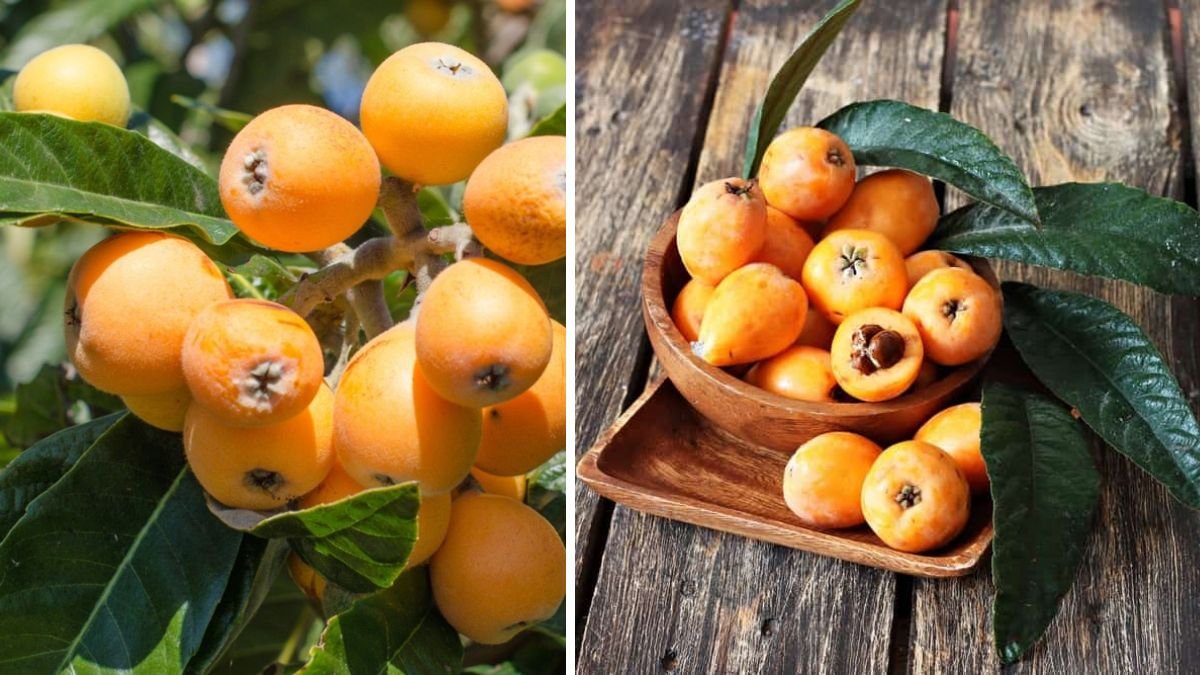
Loquat (Eriobotrya japonica) trees are celebrated for their sweet, juicy fruit that ripens in late winter and early spring. While loquats are relatively low-maintenance, proper pruning is crucial to maximize fruit yield, maintain tree health, and make harvesting easier. Unlike many other fruit trees, loquats bear fruit on last year’s growth, meaning the timing and method of pruning directly affect the size and quality of your harvest. In this article, we’ll guide you through how and when to prune a loquat tree for a bumper crop of sweet fruits.
Why Pruning Loquat Trees Matters
Pruning is not just about aesthetics—it’s a key management practice that affects both the tree’s health and fruit production. Correct pruning:
- Improves air circulation, reducing the risk of fungal diseases such as powdery mildew and gray mold.
- Increases sunlight penetration, which is vital for flower formation and fruit ripening.
- Maintains a manageable size, making it easier to harvest fruit and care for the tree.
- Encourages the development of new fruiting wood, resulting in larger, sweeter fruits.
Loquats naturally form a dense canopy. Without strategic pruning, sunlight and air struggle to reach inner branches, limiting fruit development. Effective pruning opens up the canopy, supports healthy growth, and optimizes fruit production.
When to Prune Your Loquat Tree
Best Time: Late Winter to Early Spring
The ideal time to prune most loquat trees is late winter to early spring, after harvesting the previous season’s fruit but before new shoots begin to grow. Pruning during this dormant period reduces sap loss, minimizes disease risk, and allows cuts to heal quickly as temperatures rise.
Alternative: Light Summer Pruning
For shaping purposes or to control vigorous growth, light pruning during summer is acceptable. Avoid heavy pruning during fruiting, as this can divert energy from fruit development and reduce yield.
Avoid Pruning During Flowering or Heavy Growth
Pruning during active flowering or fruiting removes buds that would become next season’s fruiting wood, directly reducing yield. Always plan pruning around the tree’s growth cycle to preserve fruit potential.
How to Prune a Loquat Tree for Maximum Yield
1. Use Clean, Sharp Tools
Always start with sterilized pruning shears and loppers. Clean cuts prevent disease and promote faster healing. Dull tools crush branches and increase the risk of infection.
2. Remove Dead, Diseased, or Damaged Branches
Begin by cutting away dead, diseased, or broken branches. Removing unhealthy wood improves airflow and reduces potential pest and fungal problems. This also redirects the tree’s energy toward healthy growth and fruit production.
3. Thin the Canopy
Selectively thin dense areas to enhance sunlight penetration and air circulation. Aim to maintain roughly 30–45 cm spacing between branches. A thinner canopy reduces humidity around the leaves and fruit, lowering the risk of fungal infections.
4. Maintain a Manageable Height
Loquats can grow tall and become difficult to harvest. Reduce height gradually by cutting back to strong lateral branches or outward-facing buds, rather than topping the tree. Topping can stimulate weak, vertical shoots that rarely produce fruit.
5. Limit Canopy Reduction
Avoid removing more than 20–25% of the canopy in a single pruning session. Over-pruning stresses the tree, reduces fruiting potential, and increases vulnerability to pests and diseases. Gradual canopy management is safer and more effective.
6. Focus on Fruit-Producing Wood
Since loquats bear fruit on last season’s growth, avoid heavy removal of previous year’s branches. Instead, perform tip pruning on vigorous new shoots to encourage lateral growth that will bear next season’s fruit.
Pruning Tips Based on Tree Age
Young Trees (Under 3 Years)
For young loquats, the goal is to establish a strong framework. Remove competing leaders, low-hanging branches, and weak growth. Gentle shaping at this stage makes future pruning and harvesting easier.
Mature Trees
Older trees typically require light maintenance every 1–2 years. Focus on thinning dense areas, removing dead wood, and controlling height. Heavy annual pruning is unnecessary and can reduce fruit yield.
After-Pruning Care
Water Deeply
After pruning, provide a deep watering to help the tree recover and support new growth. Consistent moisture encourages bud development and healthy fruiting.
Fertilize in Spring
Apply a balanced fertilizer in early spring to feed new growth and stimulate fruiting wood. Avoid high-nitrogen fertilizers, which encourage leafy growth at the expense of flowers.
Mulch Around the Base
Use organic mulch (5–10 cm thick) to retain soil moisture, moderate temperature, and suppress weeds. Keep mulch a few inches away from the trunk to prevent rot.
Common Pruning Mistakes to Avoid
- Pruning at the wrong time: Heavy pruning during flowering or active fruiting reduces yield.
- Over-pruning: Removing too much canopy stresses the tree and decreases fruit production.
- Using dull tools: Dull tools damage tissue and increase disease risk.
- Neglecting aftercare: Failing to water or fertilize after pruning slows recovery and can weaken the tree.
Avoiding these mistakes ensures your tree remains healthy and productive.
Expert Tips for a Bumper Harvest
- Always prune gradually, focusing on health and structure rather than drastic cuts.
- Maintain good airflow and sunlight exposure throughout the canopy.
- Keep young trees shaped for a strong framework to simplify future maintenance.
- Monitor for pests and disease, especially after pruning, to prevent stress-related damage.
With consistent care and the right pruning techniques, a loquat tree can provide sweet, juicy fruit for years to come.
Authoritative Sources
For more detailed guidance and expert recommendations on loquat pruning, consider referencing these resources:
- Stark Bro’s Loquat Pruning Guide – Step-by-step pruning for health and structure. (starkbros.com)
- Royal Horticultural Society (RHS) – Seasonal pruning advice for fruit trees.
- University Extension Services (UC ANR) – Localized pruning tips and care practices.
- Gardening Alibaba – Loquat Plant Care – Practical tips for watering, pruning, and fertilization. (gardening.alibaba.com)
Conclusion
Pruning is an essential step for maximizing the productivity and sweetness of your loquat tree. By pruning in late winter to early spring, removing dead and diseased wood, thinning the canopy, and maintaining manageable height, you can significantly improve sunlight exposure, airflow, and fruiting potential. Complement these pruning techniques with proper watering, fertilization, and mulching to ensure your tree remains healthy and produces a bumper harvest of sweet fruits year after year. Incorporating these expert-backed practices alongside your [FOCUS KEYWORD] strategy will help you enjoy the full potential of your loquat tree.