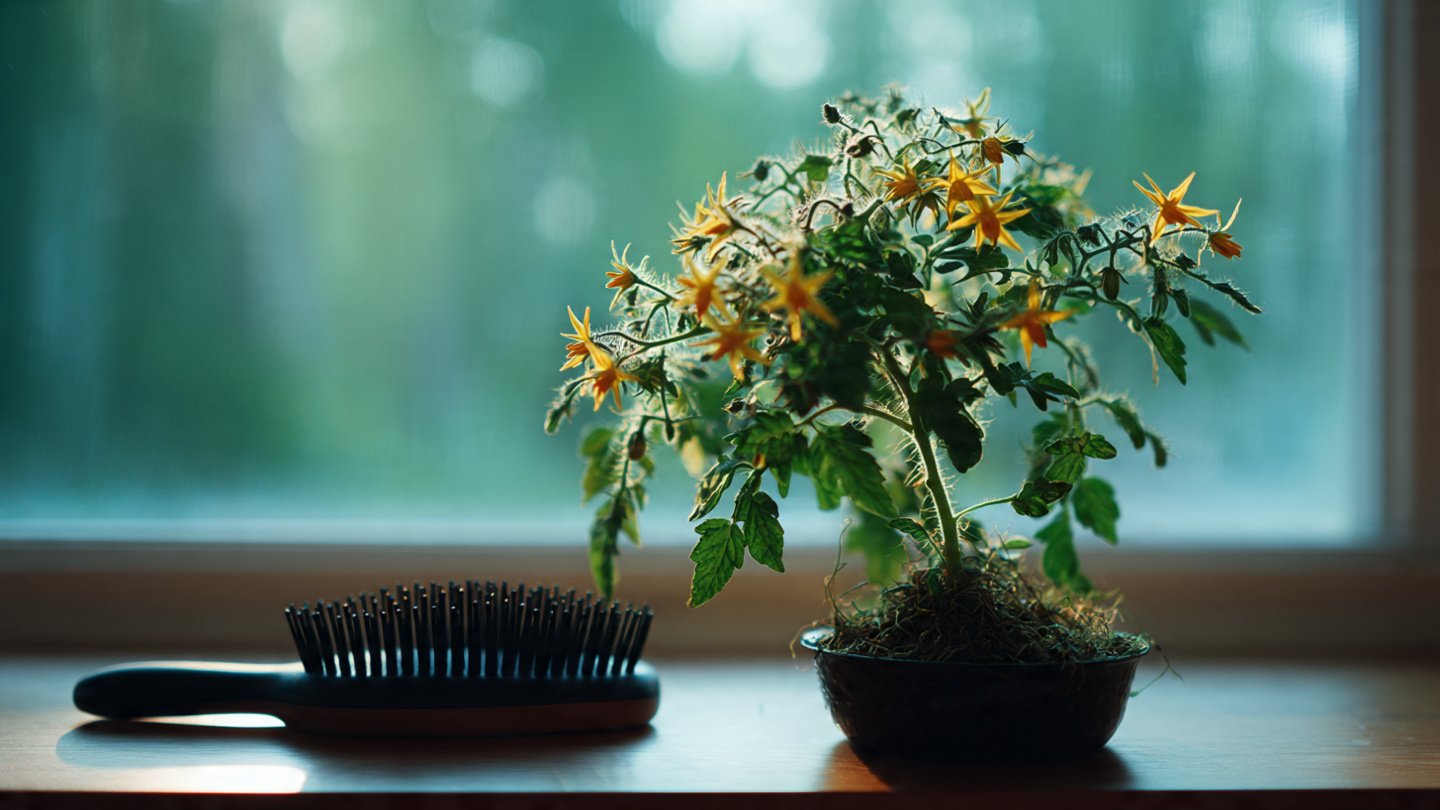
How Can a Hairbrush Transform Your Indoor Tomato Flower Growth?
When it comes to cultivating indoor tomatoes, gardening enthusiasts and novices alike often seek innovative approaches to enhance their plants’ health and productivity. One unexpected tool that has emerged in recent years is the humble hairbrush. This article explores how a hairbrush can contribute significantly to your indoor tomato’s growth and flower production, utilizing scientific principles and practical gardening techniques.
Understanding Tomato Plant Growth
Tomatoes (Solanum lycopersicum) are not only a staple in many kitchens but also a rewarding plant to grow indoors. They require specific conditions conducive to their growth, including appropriate lighting, temperature, humidity, and pollination. While many gardeners focus on the essentials—soil, water, and light—pollination often becomes the overlooked component that can dramatically affect fruit production.
Tomato plants are primarily self-pollinating, meaning they have both male and female reproductive organs. However, optimal fruit set often requires the transfer of pollen from one flower to another. In indoor environments, natural pollination can be limited due to the absence of wind and pollinators such as bees. This is where the hairbrush comes in.
The Science Behind Hairbrush Pollination
Using a hairbrush for pollination might sound unconventional, but it operates on a straightforward principle: the transfer of pollen from the stamens (male parts of the flower) to the pistil (the female part of the flower). Here’s how it works:
- Hairbrush Bristles for Pollen Transfer: The bristles of a hairbrush can mimic the natural movement of pollinators. When you gently brush the inside of a tomato flower, the bristles collect pollen from the anthers.
- Direct Pollination: After collecting pollen, you can transfer it directly to the stigma of other flowers on your tomato plant or neighboring plants. Through this action, you improve the chances of successful fertilization and fruit set.
- Stimulating Flower Movement: Gently brushing the flowers can also mimic the vibrations created by buzzing bees, which helps to release more pollen and encourages pollination.
Detailed Steps to Use a Hairbrush for Tomato Pollination
If you’re considering using a hairbrush to boost your tomato plants’ flower growth, here are detailed steps to follow:
Step 1: Choose the Right Hairbrush
Opt for a hairbrush with natural bristles, as they tend to pick up pollen better than synthetic bristles. Avoid brushes with stiff bristles that might damage the delicate flower structure.
Step 2: Timing is Key
Pollination is most effective when flowers are fully open. Monitor your tomato plants, as flowers usually open in the mornings. This is the perfect time to start your pollination routine.
Step 3: Brush Gently
Using your chosen hairbrush, gently tap or brush the inside of the flower to collect pollen. Try to minimize movement to avoid damaging the flower.
Step 4: Transfer the Pollen
Once you have collected sufficient pollen, carefully apply it to the stigma of other flowers by brushing lightly. It’s beneficial to do this across multiple flowers to increase cross-pollination, which can enhance fruit set.
Step 5: Repeat Regularly
To achieve optimal results, repeat this pollination process every few days. This regular interaction can significantly improve your indoor tomato yield.
Nutritional and Environmental Factors
While using a hairbrush can enhance pollination, don’t neglect other vital aspects of indoor tomato cultivation. Here are key factors:
1. Light Requirements
Tomatoes require 12 to 18 hours of light daily. If natural sunlight is insufficient, consider using grow lights. Full-spectrum LED lights are highly effective for promoting growth without overheating the plants.
2. Temperature and Humidity
Tomatoes thrive in temperatures between 70°F and 85°F (21°C to 29°C). Maintaining this range can significantly enhance plant health. Additionally, maintaining humidity levels between 40% to 70% helps with transpiration, fostering better growth.
3. Nutrient-Rich Soil
Start with high-quality potting soil rich in organic matter. Consider incorporating compost to boost nutrient levels. Tomato plants require nitrogen, phosphorus, and potassium at various growth stages, so a balanced fertilizer can be beneficial.
4. Watering Practices
Consistency is crucial when it comes to watering. Tomatoes prefer evenly moist soil but do not tolerate standing water. Ensure proper drainage by using pots with holes at the bottom. Water your plants when the top inch of soil feels dry.
5. Pruning and Staking
Regularly prune your tomato plants by removing suckers, which are small shoots that grow between the stems and leaves. This practice allows the plant to focus energy on flower and fruit production. Additionally, use stakes or cages to support the plants, promoting better airflow and light penetration.
Benefits of Manual Pollination
Manual pollination using a hairbrush not only enhances tomato flower growth but also offers several other benefits:
1. Improved Fruit Set
By ensuring pollen transfer, you increase the likelihood of more tomatoes forming on your plants, leading to a higher yield overall.
2. Quality of Fruit
Pollinated flowers are less likely to drop, resulting in fruit that is more robust and flavorful. The successful fertilization process promotes better weight gain and nutrient absorption.
3. Greater Control
Manual pollination allows you to decide how and when your plants are pollinated, facilitating better management of your indoor gardening efforts.
4. Educational Experience
For those gardening with children or as a form of therapy, the process of pollinating with a hairbrush presents unique educational opportunities about plant biology and ecosystems.
Troubleshooting Common Issues
Despite your best efforts, you might encounter issues while growing indoor tomatoes. Here are some common problems and their solutions:
1. Flower Drop
If flowers are dropping without setting fruit, it could be due to inadequate pollination or environmental stress. Ensure comfortable conditions—temperature, humidity, and light—are maintained, and increase your pollination efforts.
2. Fungal Diseases
Indoor tomato plants are susceptible to certain pests and diseases, particularly fungus. Ensure good airflow and avoid overhead watering to mitigate this risk.
3. Pest Infestation
Watch for common pests such as aphids or spider mites. Use insecticidal soap or neem oil as organic solutions to control infestations, and avoid harmful chemicals in your indoor environment.
Conclusion
Harnessing the capabilities of a simple hairbrush can profoundly impact indoor tomato flower growth and overall productivity. By improving pollination through this unconventional technique, you not only increase your yield but also cultivate a hands-on approach to learning about plant biology. Coupled with the necessary environmental and nutritional factors, you can create an indoor tomato garden that flourishes, leading to bountiful harvests.
As you embark on this gardening journey, remember that the most rewarding aspect lies in the experience of growing and nurturing your plants. Happy gardening!