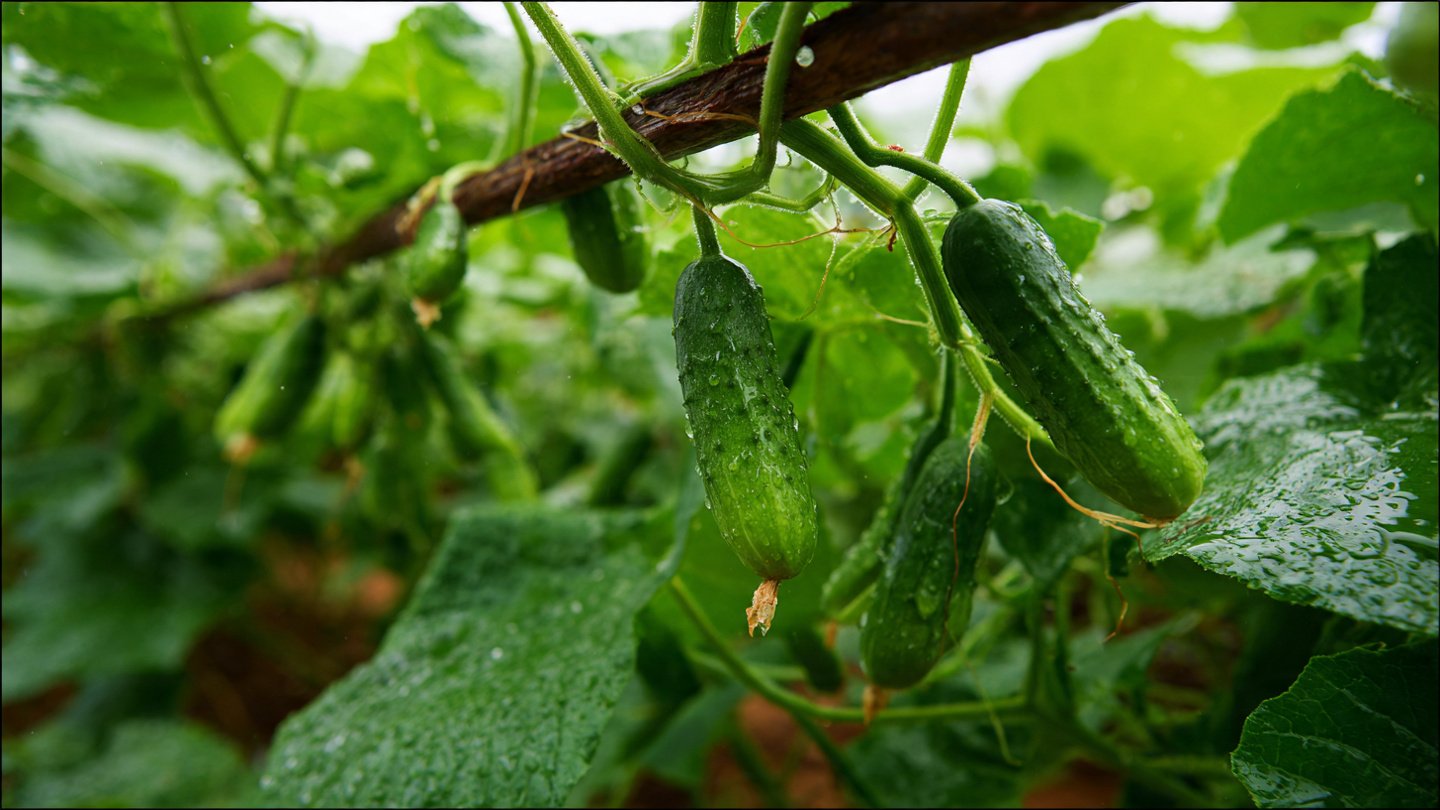
Cucumbers are a favorite for many home gardeners, renowned for their crunchy texture and refreshing flavor. However, the health and productivity of cucumber plants depend significantly on appropriate care practices—one of which is pruning. This article will explore how proper pruning techniques can enhance harvest potential and improve overall plant vigor.
Understanding the Basics of Cucumber Vines
Cucumber (Cucumis sativus) is a climbing plant that thrives in warm, sunny environments. These vines can grow rapidly, often extending several feet during the growing season. They are primarily grown for their fruits, which are used in culinary dishes worldwide. A healthy cucumber plant can produce dozens of fruits, but managing its growth is crucial to achieving maximum yield.
The Importance of Pruning
Pruning involves the selective removal of parts of a plant to encourage healthy growth or shape it for better productivity. For cucumber plants, pruning can:
- Improve air circulation
- Enhance light penetration
- Direct nutrient allocation
- Reduce disease incidence
Benefits of Pruning Cucumber Vines
Understanding the various benefits of pruning can help gardeners make informed decisions about their cucumber cultivation practices.
1. Increased Air Circulation
A dense growth habit can lead to poor air circulation within the foliage of cucumber plants. This can create a humid environment conducive to fungal diseases such as powdery mildew. By selectively pruning leaves and shoots, air circulation is improved. Better airflow allows the plant to dry out more quickly after rain or watering, reducing the risk of disease.
2. Enhanced Light Penetration
Cucumber plants need substantial sunlight to produce fruits efficiently. However, overgrown vines can create a canopy that blocks light from reaching lower leaves and fruits. Pruning helps to open up the plant, ensuring that all parts receive adequate sunlight. This, in turn, can lead to more blossoms and, ultimately, a more abundant harvest.
3. Direct Nutrient Allocation
When vines are left unpruned, the plant may spread its resources too thin by supporting excessive foliage. By removing excess leaves and lateral shoots, gardeners can redirect the plant’s nutrients and energy toward fruit production. This results in larger, more flavorful cucumbers rather than small, underdeveloped ones.
4. Disease Prevention
Pruning not only prevents overcrowding but also assists in recognizing and removing diseased or damaged parts of the plant early on. This proactive approach minimizes the risk of disease spreading, ensuring that healthy sections of the vine continue thriving.
Pruning Techniques for Cucumber Vines
Now that we understand the benefits, let’s delve into effective pruning techniques tailored specifically for cucumber vines.
1. Timing of Pruning
Timing is crucial when pruning cucumber plants. Ideally, pruning should take place:
- When plants are about a foot tall, to encourage early branching.
- Regularly throughout the growing season to maintain health.
- Before flowering begins, to ensure minimized stress on the plant.
2. Tools Needed
Using the right tools is essential for effective pruning:
- Sharp pruning shears: Ensure clean cuts to prevent damaging the plant.
- Gloves: Protect your hands from prickly leaves and potential injuries.
- Cleaners: Alcohol wipes can sanitize tools to prevent disease transmission between plants.
3. Techniques for Pruning
Here are some practical steps to prune cucumber plants:
- Removal of Lower Leaves: Trim the lower leaves that touch the ground. These are often the first to succumb to pests and diseases.
- Trimming Excess Growth: Regularly cut back overly vigorous side shoots, especially those growing near the base of the plant, to focus energy on developing fruits.
- Cutting Off Diseased Foliage: Immediately remove any foliage that shows signs of disease to stop the spread.
- Maintaining Space: Ensure enough space between the plants (generally 12 to 24 inches apart) to prevent excessive overcrowding.
4. The Importance of Support Structures
Using trellises or other support structures can aid in effective pruning. A well-supported vine is easier to prune and allows for better light exposure and air flow, contributing to healthier plants and more substantial harvests.
Conclusion
Pruning cucumber vines is an essential practice that can significantly boost your harvest potential. By promoting better air circulation, enhancing light penetration, directing resources efficiently, and preventing disease, pruning helps ensure that cucumber plants produce bountiful and flavorful fruits. By employing the outlined techniques, both novice and experienced gardeners can enjoy the benefits of a more vigorous and productive cucumber crop.
Frequently Asked Questions (FAQs)
1. How often should I prune my cucumber plants?
It’s ideal to check your cucumber plants weekly during the growing season and prune as necessary, focusing on removing diseased or overcrowded sections.
2. Can I prune cucumber plants too much?
Yes, excessive pruning can stress the plant and reduce yields. Focus on selectively removing only the sections needed to promote health and productivity.
3. When is the best time to prune cucumbers?
The best time to prune is when the plants are about a foot tall and regularly throughout the growing season, especially before flowering begins.
4. What tools do I need for pruning cucumbers?
Sharp pruning shears, gloves, and sanitizing wipes are the essential tools for effective cucumber pruning.
5. Should I remove all the lateral vines?
No, it’s not necessary to remove all lateral vines. Just trim back excessively long or overcrowded ones to maintain healthy growth and airflow.