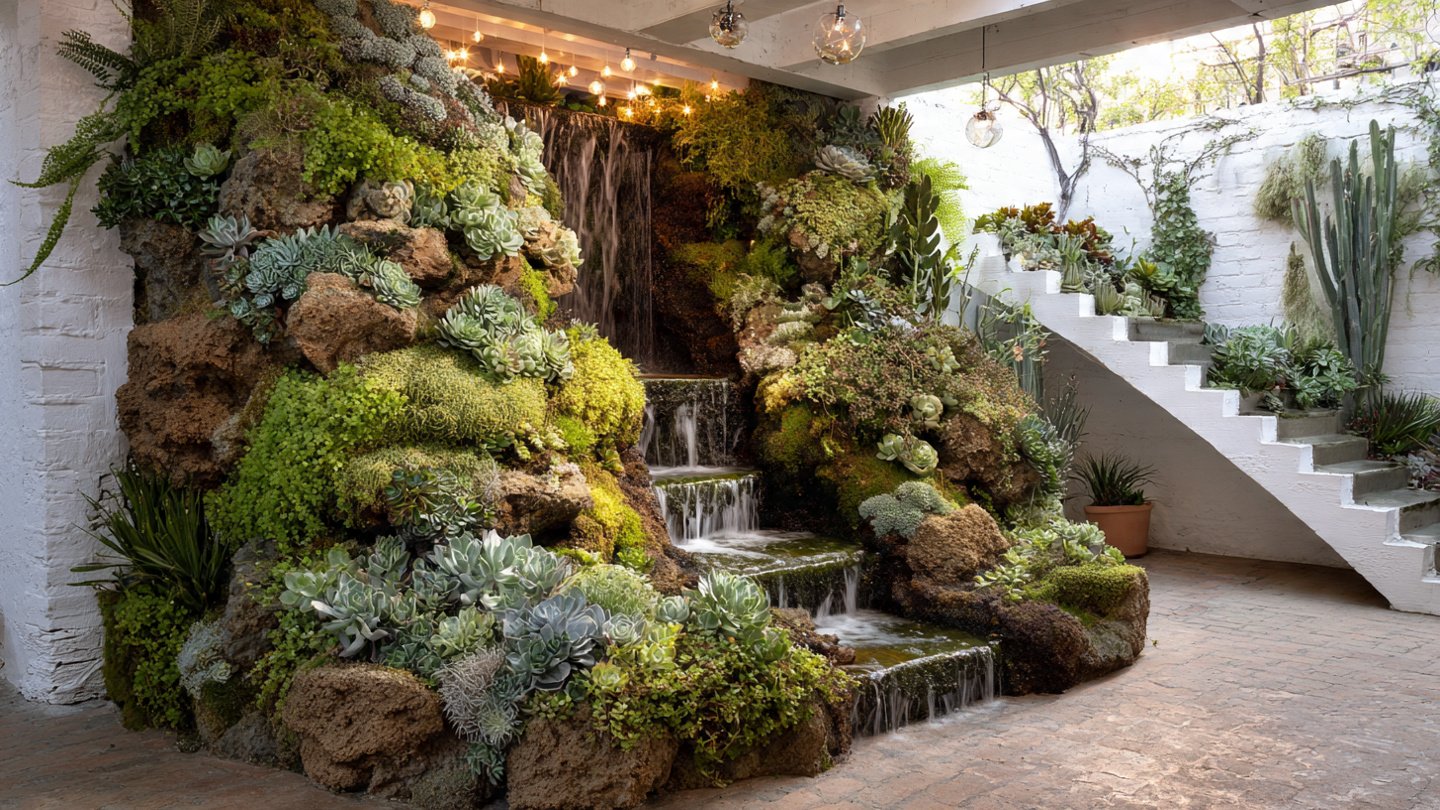
Succulents have taken the botanical world by storm, renowned for their diverse forms, unique textures, and remarkable resilience. Beyond their aesthetic charm, trailing succulents offer an enchanting way to reimagine your living spaces. With the right selection, you can create a lush, cascading effect reminiscent of an emerald waterfall, filling your home with nature’s beauty. In this article, we will explore seven trailing succulents that can transform your area into a verdant oasis.
1. String of Pearls (Senecio rowleyanus)
Description
The String of Pearls, a favorite among succulent enthusiasts, is characterized by its unique, bead-like leaves that cascade elegantly from its container. This trailing succulent produces delicate, greenish strands that can reach lengths of up to three feet, mimicking the look of green pearls tumbling over one another.
Ideal Conditions
String of Pearls thrives in bright, indirect light and prefers well-draining soil. Ensure to let the soil dry out completely between waterings to prevent root rot.
Transformative Appeal
When hung in a stylish pot or placed on a high shelf, this succulent creates a stunning visual effect, resembling a flowing waterfall of greenery. Its unique shape adds a touch of whimsy and elegance to any room, making it an ideal choice for living areas or modern office spaces.
2. Burro’s Tail (Sedum morganianum)
Description
Burro’s Tail is a succulent that boasts thick, trailing stems adorned with plump, blue-green leaves. Each stem can grow up to two feet long, creating a glorious cascade that can resemble a waterfall of succulence.
Ideal Conditions
These plants prefer well-draining soil and bright, indirect light. While they are drought-tolerant, it’s best to water them sparingly and allow the soil to dry out completely.
Transformative Appeal
The airy, trailing nature of Burro’s Tail makes it a perfect candidate for hanging baskets or wall-mounted planters. When cultivated in groups or layered with different textures, these plants create a lush, cascading waterfall effect, bringing the serenity of nature indoors.
3. Trailing Jade (Senecio jacobsenii)
Description
Trailing Jade features thin, flexible stems adorned with small, glossy leaves that are a deep shade of green. This succulent can grow over two feet long, producing a delightful, trailing appearance.
Ideal Conditions
These succulents thrive in moderate to bright light and require well-draining soil. They are quite forgiving and can tolerate some neglect, making them perfect for busy individuals.
Transformative Appeal
With its elegant, flowing form, Trailing Jade can be trained to mound over shelves or drape off tables, resembling an overflowing fountain of jade-like leaves. It’s an excellent choice for creating a tranquil atmosphere in bedrooms or meditation spaces.
4. Cascading (Sedum morganianum var. ‘Burrito’)
Description
Often confused with Burro’s Tail, the Cascading variety has shorter, thicker leaves that are more compact. Its dense growth habit and lively green color make it a captivating choice for cascading displays.
Ideal Conditions
Like other succulents, this plant prefers bright light and well-draining soil. It needs minimal watering, typically once every two weeks during the growing season.
Transformative Appeal
When planted in hanging pots or tiered planter boxes, Cascading creates a visually appealing cascade effect. The plant’s compact nature allows for placing multiple pots together, amplifying the emerald waterfall illusion in your space.
5. Rhipsalis (Rhipsalis baccifera)
Description
Unlike traditional succulents, Rhipsalis offers a different texture with its thin, elongated stems resembling green spaghetti. This plant can reach lengths of several feet, producing a wildly beautiful cascade effect.
Ideal Conditions
Rhipsalis prefers indirect sunlight and can tolerate more humidity than typical succulents. Ensure that the pot has excellent drainage and water it when the top inch of the soil feels dry.
Transformative Appeal
Rhipsalis brings an exotic touch to your décor. Placing it in a hanging or high-mounted planter will create a flowing curtain of green intertwined with spidery tendrils, enriching your space and offering a striking contrast to more traditional leafy plants.
6. Trailing Aloe (Aloe dorotheae)
Description
Trailing Aloe features striking, long, slender leaves that extend gracefully from the base, often exhibiting beautiful color variations from green to soft pink in direct sunlight. This plant can create a captivating cascading effect.
Ideal Conditions
This succulent prefers bright, indirect light and well-draining soil. Allow the soil to dry between waterings, making it an easy plant for busy lifestyles.
Transformative Appeal
Arranging Trailing Aloe in a hanging planter allows its leaves to tumble down elegantly. The slight blush of color enhances its appeal, making it an attractive addition to any modern or bohemian decor.
7. Hoya (Hoya carnosa)
Description
Although technically a flowering plant, Hoya features succulent-like leaves that are waxy and heart-shaped. Its creeping vines can grow several feet long, and it often produces fragrant clusters of star-shaped flowers.
Ideal Conditions
Hoya thrives in bright, indirect light and enjoys well-draining soil. Water it less frequently, allowing the soil to dry out between waterings.
Transformative Appeal
Hoya’s cascading vines can create a stunning emerald waterfall effect, especially when placed on a high shelf or trellis. The added bonus of beautiful blooms makes it an excellent centerpiece, elevating the visual experience of your space.
Creating Your Emerald Waterfall
Cohesion and Planning
To transform your space into an emerald waterfall, consider these tips:
Choose a Focal Point: Decide where to create your cascading effect, such as a windowsill, wall shelf, or hanging planter.
Mix and Match: Combine different trailing succulents to enhance texture and color. Consider varying leaf shapes, sizes, and shades of green for visual interest.
Layering: Use multiple tiers of planting or vertical planters to recreate the effect of cascading water. Place taller plants on top or closer to the light, allowing the trailing plants to tumble downward.
Lighting: Ensure your space has adequate lighting for the chosen plants. Most trailing succulents thrive in bright, indirect light, and placing them near natural light sources will help them flourish.
Experiment with Containers: Use various planters, including ceramic pots, hanging baskets, and wall-mounted planters, to give your space a multi-dimensional look.
Maintenance: Regularly pruning and cleaning your plants will keep them healthy. Remove dead leaves and ensure proper watering.
Conclusion
Transforming your space into an emerald waterfall is not only possible but also incredibly rewarding. By carefully selecting the right trailing succulents, arranging them thoughtfully, and paying attention to their needs, you can create a tranquil and beautiful environment that resonates with the serenity of nature. Let these seven enchanting succulents inspire you to bring the beauty of the outdoors into your life, enhancing your living space with lush greenery and calming tranquility. Whether you’re a seasoned plant enthusiast or a novice gardener, the charm of trailing succulents will enrich your home and elevate your spirit.