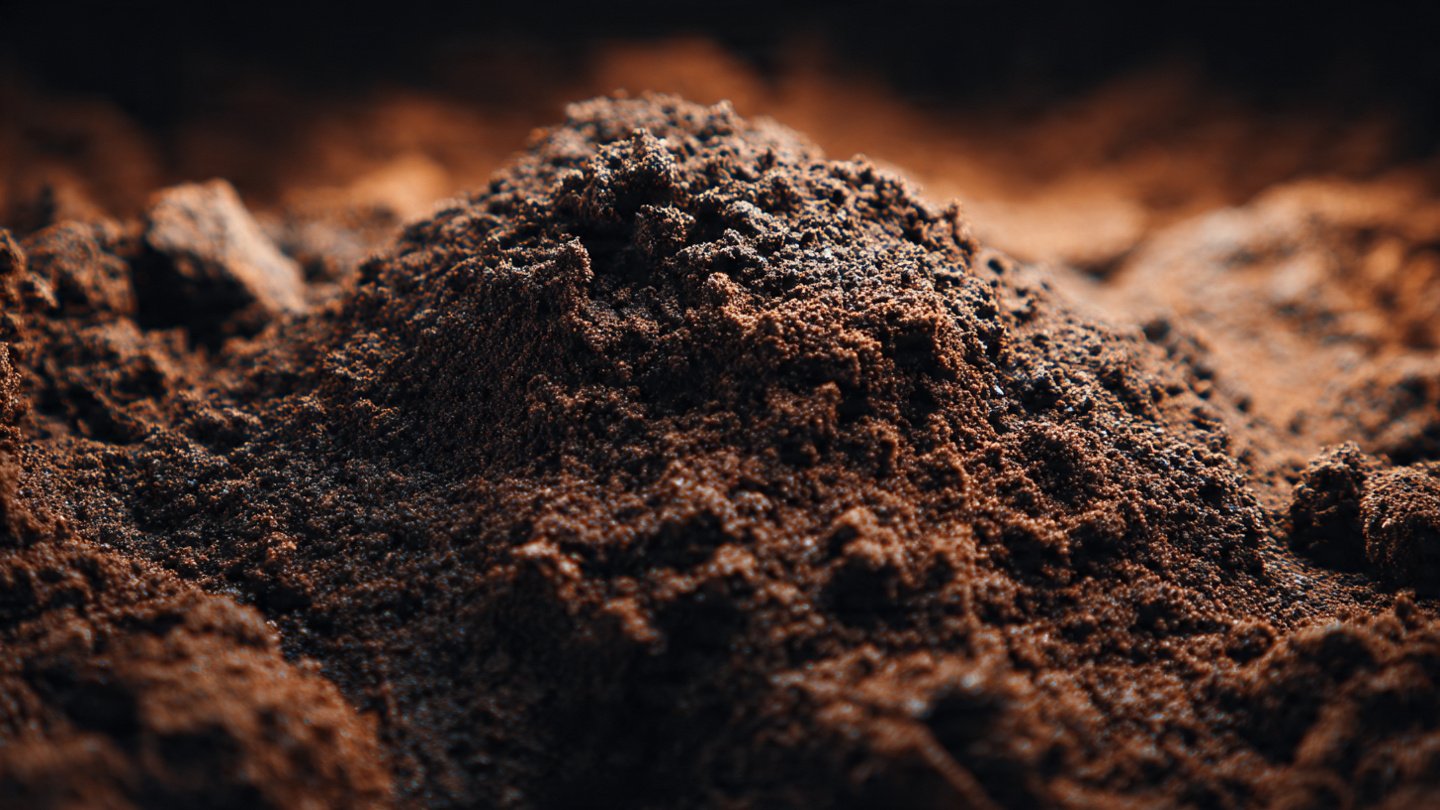
Gardening has been a source of food and pleasure for humanity for thousands of years. As we become more conscious of sustainable practices and soil health, the quest for natural soil enhancers has never been more pertinent. One of nature’s most powerful yet underutilized amendments is volcanic rock dust. But how can this ancient material transform your vegetable soil? In this article, we’ll delve into the science behind volcanic rock dust, its benefits, and practical applications for home gardeners.
Understanding Volcanic Rock Dust
Volcanic rock dust, also known as volcanic ash or paramagnetic rock dust, is a natural material formed from the pulverization of volcanic rock. It is rich in minerals and trace elements that are crucial for plant health. When volcanoes erupt, they release a myriad of nutrients locked in the earth’s crust for millennia. When this rock is finely ground, it becomes a powder that can be spread onto soils to enrich them.
The Origins of Volcanic Rock Dust
Volcanic rock dust is not a recent invention. Various cultures have been using it for centuries in holistic agricultural practices. The Hawaiian Islands, for example, have long recognized the benefits of volcanic soil, which contributes to the region’s rich biodiversity. However, the widespread adoption of volcanic rock dust as a mainstream soil amendment is relatively new, thanks largely to modern agronomy and organic gardening movements.
Benefits of Volcanic Rock Dust
1. Nutrient-Rich Composition
One of the primary benefits of volcanic rock dust is its rich mineral content. It typically contains:
- Silica: Enhances plant structure and disease resistance.
- Calcium: Crucial for cell wall formation and soil pH regulation.
- Iron: Essential for chlorophyll production and energy transfer in plants.
- Magnesium: Important for photosynthesis and various enzymatic processes.
- Trace Elements: Such as copper, zinc, and manganese, which are vital for various physiological functions in plants.
The variety and availability of these minerals help improve soil fertility and plant growth.
2. Improved Soil Structure
Volcanic rock dust can improve soil structure by promoting good drainage and aeration. The tiny particles in the dust fill the gaps between soil aggregates, enhancing the soil’s overall texture. This is particularly beneficial for clay soils, which can become compacted and waterlogged. By enhancing soil structure, plants can better develop their root systems, leading to healthier and more productive crops.
3. Enhanced Microbial Activity
Healthy soils are teeming with microscopic life. Volcanic rock dust acts as a habitat and a source of nutrition for beneficial microorganisms. The minerals in the dust stimulate microbial activity, which in turn enhances nutrient cycling, increases humus formation, and improves soil health. Greater microbial activity means enhanced breakdown of organic matter and improved availability of nutrients for plants.
4. pH Balancing
Many vegetable crops prefer slightly acidic to neutral soil pH. Volcanic rock dust can help regulate soil pH levels, making it more favorable for plant growth. If you’ve ever struggled with the acidity levels in your soil, volcanic rock dust can serve as a natural amendment to help balance it without the drawbacks of chemical products.
5. Long-Term Nutrient Supply
Unlike synthetic fertilizers that provide a quick but potentially short-lived nutrient boost, volcanic rock dust releases nutrients slowly over time. The minerals remain available for plant uptake long after application, providing a sustained source of nutrition that aligns well with regenerative agricultural practices.
6. Trace Mineral Benefits
While primary nutrients (nitrogen, phosphorus, potassium) are essential for plant growth, trace minerals are often overlooked. Volcanic rock dust is rich in a variety of trace minerals that are crucial for plant development, including boron and molybdenum. These elements play roles in processes like seed development, flowering, and overall plant health.
How to Use Volcanic Rock Dust in Your Garden
Now that we understand the benefits of volcanic rock dust, how can you effectively incorporate it into your vegetable garden? Here are some practical steps:
1. Testing Your Soil
Before adding any amendments, it’s wise to test your soil. This will give you a baseline understanding of your soil’s nutrient composition and pH levels. Many garden centers offer soil testing kits, or you can send samples to a local extension service.
2. Application Rates
Depending on your soil test results, the application rates of volcanic rock dust may vary. Generally, you can apply between 5 to 10 pounds per 100 square feet of soil. However, it’s best to consult the manufacturer’s recommendations and adjust based on your specific needs.
3. Mixed with Compost
To maximize the benefits, volcanic rock dust can be mixed with compost before application. This combination enriches the soil with organic matter and microbial life while also providing the mineral benefits of volcanic rock dust. As a general guideline, mix 1 cup of rock dust into every gallon of compost.
4. Topdressing
You can also use volcanic rock dust as a topdressing for established vegetable gardens. Spread a thin layer (about 1/8 to 1/4 inch) over the surface of the soil and lightly incorporate it with a rake. This practice helps improve soil health over time and supports existing plants.
5. Incorporate into Planting Holes
If you are planting new seeds or transplants, consider adding a small amount of volcanic rock dust into the planting hole. This provides a localized boost of nutrients, giving your young plants a strong start.
6. Regular Application
For continuous benefits, consider reapplying volcanic rock dust every season. This keeps nutrient levels balanced and maintains healthy microbial activity in the soil.
Best Vegetables to Grow with Volcanic Rock Dust
While volcanic rock dust can benefit nearly all vegetable crops, certain plants thrive particularly well. Root vegetables like carrots and beets benefit greatly from improved soil structure. Leafy greens, including spinach and lettuce, will enjoy the additional nutrients and disease resistance. Fruits and legumes, such as tomatoes and beans, can also see higher yields and better flavor profiles with the use of volcanic rock dust.
Considerations and Limitations
1. Not a Complete Fertilizer
While volcanic rock dust is a powerful supplement, it should not replace balanced fertilizer practices entirely. Fertilizing with nitrogen, phosphorus, and potassium is still recommended, particularly during peak growing seasons.
2. Cost and Availability
Depending on where you live, volcanic rock dust may be difficult to find, and shipping costs can be high. Look for local suppliers or agricultural co-ops, and consider purchasing in bulk to reduce costs.
3. Potential Overuse
Like any soil amendment, moderation is key. Over-application of volcanic rock dust can lead to nutrient imbalances and may negatively impact plant growth. Always adhere to recommended application rates based on your soil test results.
Conclusion
In conclusion, volcanic rock dust is a remarkable natural soil enhancer that can revolutionize your vegetable garden. Its rich mineral content, ability to improve soil structure, enhance microbial activity, and regulate pH makes it a must-have for any organic gardening enthusiast. By understanding its benefits and proper application methods, you can cultivate healthier plants, increase yields, and take one significant step toward creating a more sustainable and productive garden.
As we continue to explore innovative ways to nurture our soils, volcanic rock dust stands out as a powerful tool. So whether you’re a novice gardener or an experienced green thumb, consider incorporating this ancient material into your soil management practices. You may just find that it transforms your garden in more ways than one. Happy gardening!