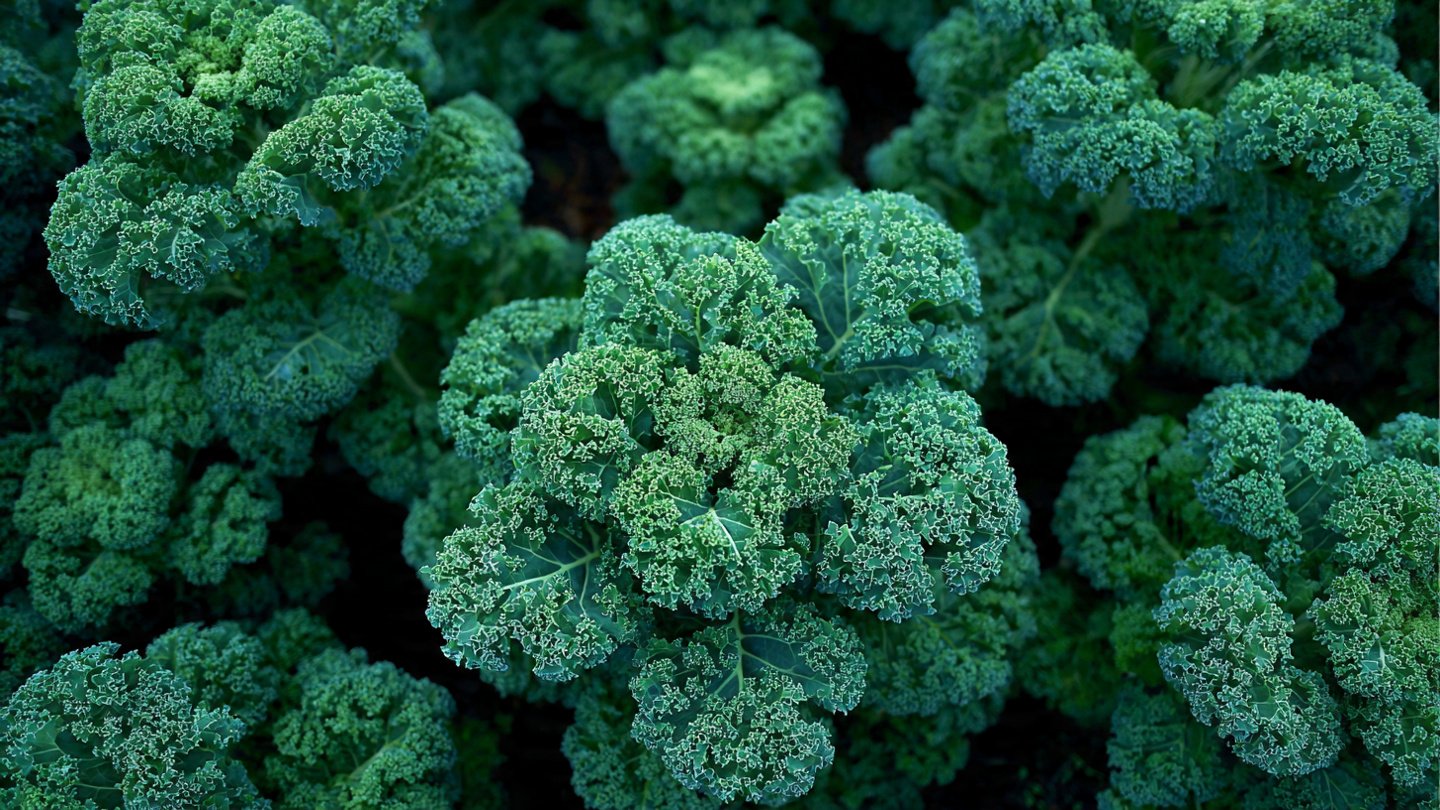
Cultivating kale in a raised bed can reward you with an abundance of rich, leafy greens throughout the growing season. Kale is not only nutritious, but it is also relatively easy to grow, making it an excellent choice for both novice and experienced gardeners. This article will guide you through the steps to create a thriving kale garden in a single raised bed.
Choosing the Right Raised Bed
The first step in cultivating kale is selecting the appropriate raised bed. Here are some considerations:
- Size: A raised bed that is 4 feet wide by 8 feet long provides ample space for planting and is manageable for maintenance.
- Material: Choose rot-resistant materials such as cedar, redwood, or composite wood. Avoid treated wood, as it may contain chemicals harmful to plants.
- Height: Aim for a height of 12 to 18 inches to allow for strong root development.
Soil Preparation
Healthy soil is the foundation of a successful kale crop. Before planting, ensure your soil is rich in organic matter:
- Soil Composition: A mix of topsoil, compost, and well-rotted manure works best. Aim for a ratio of 1:1:1.
- Soil Testing: Use a soil testing kit to determine pH and nutrient levels. Kale prefers slightly acidic to neutral soil (pH 6.0-7.0).
- Amendments: If your soil is lacking in nutrients, consider adding bone meal or a balanced organic fertilizer to enhance growth.
Planting Kale Seeds
Once your bed is prepared, it’s time to plant:
- Timing: Kale can be planted in early spring or late summer, allowing for cooler growing conditions. In many regions, kale can even survive frost.
- Seed Depth: Plant seeds about 1/2 inch deep and space them 12 inches apart. This allows room for growth without overcrowding.
- Watering: Water the seeds immediately after planting and keep the soil moist. Avoid waterlogging, which can lead to root rot.
Care and Maintenance
After planting, maintain your kale forest with proper care:
- Watering: Kale requires consistent moisture. Aim to water deeply once or twice a week, especially during dry spells.
- Weeding: Regularly check for and remove weeds that compete for nutrients. Using mulch can help suppress weed growth.
- Pest Management: Common pests affecting kale include aphids, cabbage worms, and slugs. Natural remedies like neem oil can help manage these pests.
- Fertilization: Side-dress your kale every 4-6 weeks with compost or an organic fertilizer to promote healthy growth.
Harvesting Kale
Harvesting kale is a rewarding moment, and knowing when and how to do it will ensure you get the best from your plants:
- Timing: Kale can be harvested as soon as the leaves are large enough to eat, usually about 4-6 weeks after planting.
- Method: Pick the outer leaves first, allowing the inner leaves to continue growing. Use scissors or garden shears to avoid damaging the plant.
- Continuous Harvesting: Kale leaves can be harvested continuously throughout the growing season, promoting new growth.
Extending the Growing Season
To take full advantage of your kale crop, consider methods for extending the season:
- Row Covers: Use lightweight fabric row covers to protect plants from frost while allowing sunlight and moisture to penetrate.
- Cold Frames: Building a cold frame over your raised bed can significantly extend the growing season, acting as a mini greenhouse.
- Mulching: A layer of mulch can help retain soil moisture and regulate temperature, protecting roots from freeze.
Conclusion
Creating a lush forest of kale in a single raised bed is an achievable goal for any gardener. With the right preparation, care, and maintenance, you can enjoy a bountiful harvest throughout the growing season. By paying close attention to soil health, pests, and environmental conditions, you can cultivate a nutritional powerhouse that adds both flavor and vibrancy to your meals.
So why wait? Get your raised bed ready, and start your kale garden today. You’ll find yourself not only improving your diet but also experiencing the joys of gardening.
FAQs
1. How long does it take for kale to grow from seed to harvest?
Kale typically takes about 60 to 75 days from seed to harvest, depending on the variety and growing conditions.
2. Can kale grow in full sun, or does it prefer shade?
Kale grows best with 6 to 8 hours of sunlight per day. It can tolerate partial shade, especially in very hot climates.
3. Should I remove flowers from my kale plants?
Yes, if your kale bolts and begins to flower, it’s best to remove the flowers to prevent the plant from using energy for seed production instead of leaf growth.
4. Can I grow kale in containers instead of a raised bed?
Absolutely! Kale can thrive in containers as long as they are deep enough (at least 12 inches) and have good drainage.
5. Is kale a perennial plant?
Kale is typically grown as an annual, but in milder climates, it can act as a biennial or perennial and can overwinter.