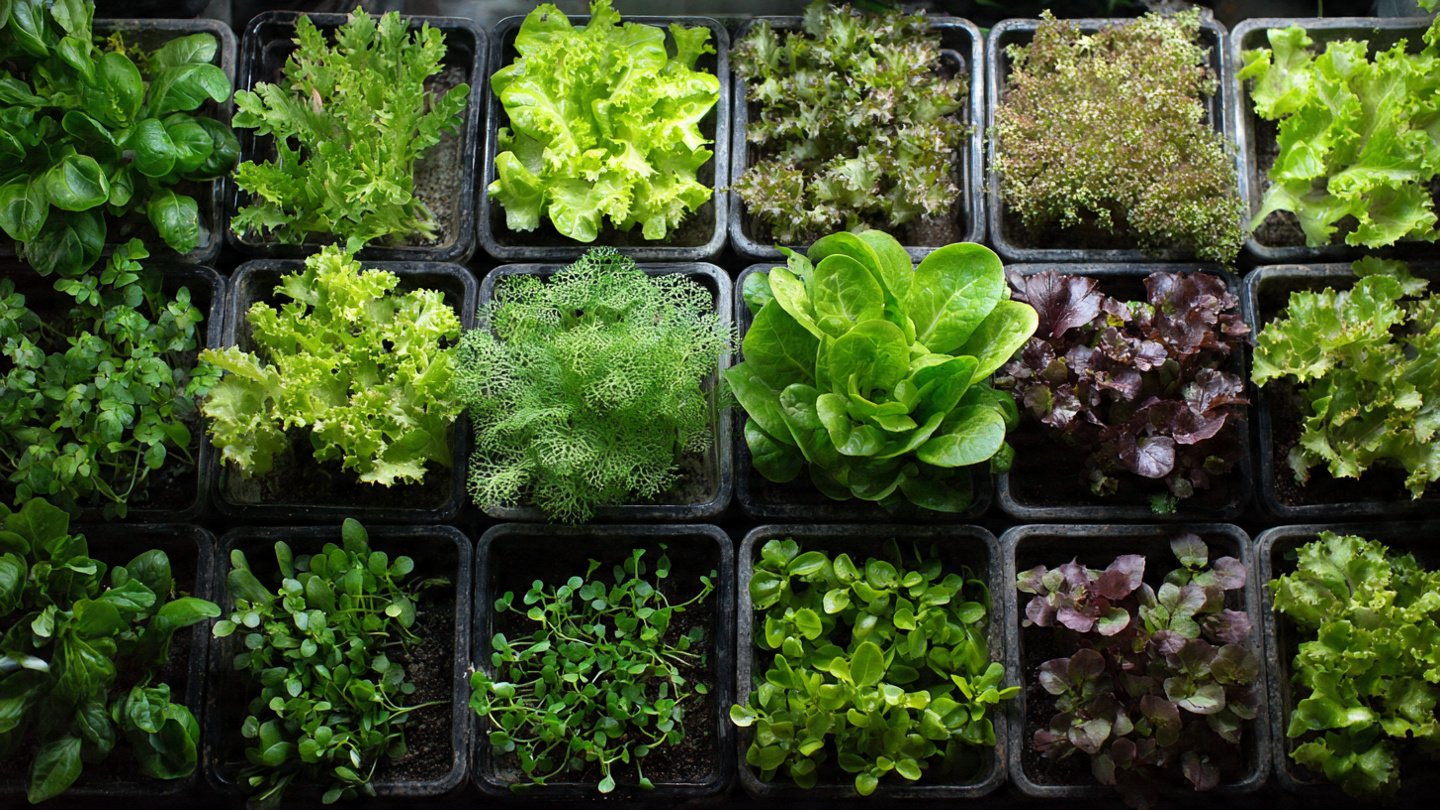
Gardening is often viewed as a leisurely hobby, but it can also be an avenue for sustainable living, especially when it comes to cultivating your own food. Picture this: you have just ten square feet of outdoor space, and you want to maximize it to produce fresh salads throughout the year. This is not just a dream; it’s very much achievable with strategic planning and a little bit of effort. This article will delve into methods and techniques to turn a small plot into a vibrant salad garden that lasts all year long.
Understanding Your Growing Space
Assessing the Area
Before you plant anything, spend some time assessing your growing space. Consider the following factors:
Light: Most leafy greens and salad vegetables thrive in full sun (6-8 hours a day). Identify how much sunlight your space receives and observe any patterns throughout the day.
Soil: Test your soil for pH and nutrient content. A basic soil kit from a garden center can help you determine the health and quality of your soil. Ideally, salad greens prefer a slightly acidic to neutral pH (6.0-7.0).
Drainage: Good drainage is crucial. If your area tends to hold water, consider raised beds to prevent root rot.
Planning Your Layout
With just ten square feet, efficient planning is key. Consider using a grid layout or raised beds for better organization.
Raised Beds: Construct two 2.5’ x 4’ raised beds, which allows for optimal drainage and convenience.
Vertical Gardening: Use vertical gardening techniques, such as trellises for climbing plants, to maximize space. This not only saves ground space but can create a visually appealing garden.
Choosing the Right Salad Ingredients
1. Leafy Greens
Leafy greens are the backbone of any salad. They grow relatively quickly and can be harvested multiple times.
Lettuce Varieties: Romaine, butterhead, and loose-leaf varieties are excellent for succession planting. Plant them every couple of weeks for a continuous supply.
Spinach and Kale: These are hardy greens that can often be grown in various seasons. Spinach is particularly good in cooler weather, while kale can withstand frost.
2. Herbs
Herbs can elevate a simple salad to something extraordinary. They grow well in small spaces and can thrive in containers or along the edges of your raised beds.
Basil: Perfect for summer, basil adds a fragrant flavor to salads.
Parsley and Cilantro: These can grow in cooler weather and can be planted either in the spring or fall.
3. Cruciferous Vegetables
While not traditional salad ingredients, certain young cruciferous vegetables can add depth to salads.
Radishes: Fast-growing and can be harvested in about a month. They can add crispness to your salads.
Broccoli Raab: This can be grown for both its leaves and buds, offering great nutritional value as well.
4. Edible Flowers
For visual appeal and an extra layer of flavor, consider growing edible flowers.
Nasturtiums: These not only brighten up your salads but also have a peppery taste that complements many greens.
Calendula: Bright and cheerful, calendula petals add color and a mild flavor.
Planting Techniques
1. Succession Planting
Succession planting means staggering your sowing dates to ensure continuous harvest throughout the year. For instance:
Early Spring: Start with lettuce, spinach, and radishes.
Late Spring/Early Summer: Transition to heat-loving crops like basil and summer lettuce varieties.
Fall: Plant cold-hardy varieties like kale and overwintering cabbage.
2. Companion Planting
Companion planting is another effective strategy for maximizing space and improving plant health. Certain plants can enhance each other’s growth or deter pests.
Lettuce and Radishes: Planting radishes among lettuce effectively utilizes space. Once the radish is harvested, the lettuce has more room to grow.
Basil and Tomatoes: If you have the space, companion planting can allow you to mix in tomatoes, which pair well with both salads and basil.
3. Crop Rotation
Crop rotation helps to maintain soil health and reduce pests and diseases. Alternate your plant families every season to balance out nutrient needs. For instance, follow leafy greens with legumes like peas, which can add nitrogen back into the soil.
Maintenance and Care
1. Watering
Consistent watering is essential for your salad garden. However, avoid overwatering. The best rule of thumb is to ensure your soil remains moist but not soggy.
- Drip Irrigation: If possible, set up a drip irrigation system to deliver water directly to the soil while minimizing waste.
2. Mulching
Adding a layer of organic mulch can help retain soil moisture and suppress weeds. Straw, wood chips, or grass clippings make excellent mulch.
3. Pest Management
Pests can be a significant issue in any garden. Develop a routine for monitoring and managing pests.
Natural Methods: Introduce beneficial insects like ladybugs, or use organic methods like neem oil to deter pests.
Physical Barriers: Row covers can protect young seedlings from pests while allowing sunlight through.
Harvesting
Knowing when and how to harvest is essential for enjoying the fruits of your labor.
1. Leafy Greens
For cut-and-come-again crops like lettuce and spinach, you can harvest the outer leaves while allowing the inner leaves to continue growing. Ideally, harvest in the morning when the leaves are crisp.
2. Radishes and Other Roots
Harvest radishes when they are about an inch in diameter; they can become woody if left too long. They can also be sown in succession to ensure a steady supply.
3. Herbs
Regularly snipping herbs encourages further growth and prevents them from bolting (going to seed).
Seasonal Considerations
Fall and Winter Gardening
If you live in a climate with milder winters, consider using cold frames or row covers to extend your growing season.
Cold Frames: These protect your greens from frost and maintain a warmer environment for growth.
Selecting Hardy Varieties: Opt for winter varieties like kale, arugula, or mache that thrive in cooler weather.
Indoor Gardening
During the winter months, consider bringing your salad garden indoors. Smaller pots of leafy greens can thrive on windowsills with sufficient light.
- Hydroponics: If you’re inclined, hydroponic systems can also allow you to grow greens year-round inside your home.
Conclusion
Transforming a mere ten square feet into a perpetual salad garden is entirely feasible and incredibly rewarding. With thoughtful planning, diligent maintenance, and the right selection of plants, you can enjoy fresh, crisp salads throughout the year. Not only does this endeavor promote sustainability and self-reliance, but it also connects you to the seasons and enhances your appreciation of fresh produce. So gather your tools, roll up your sleeves, and start your journey towards a continuous supply of vibrant salads, all from just a small patch of land. Happy gardening!