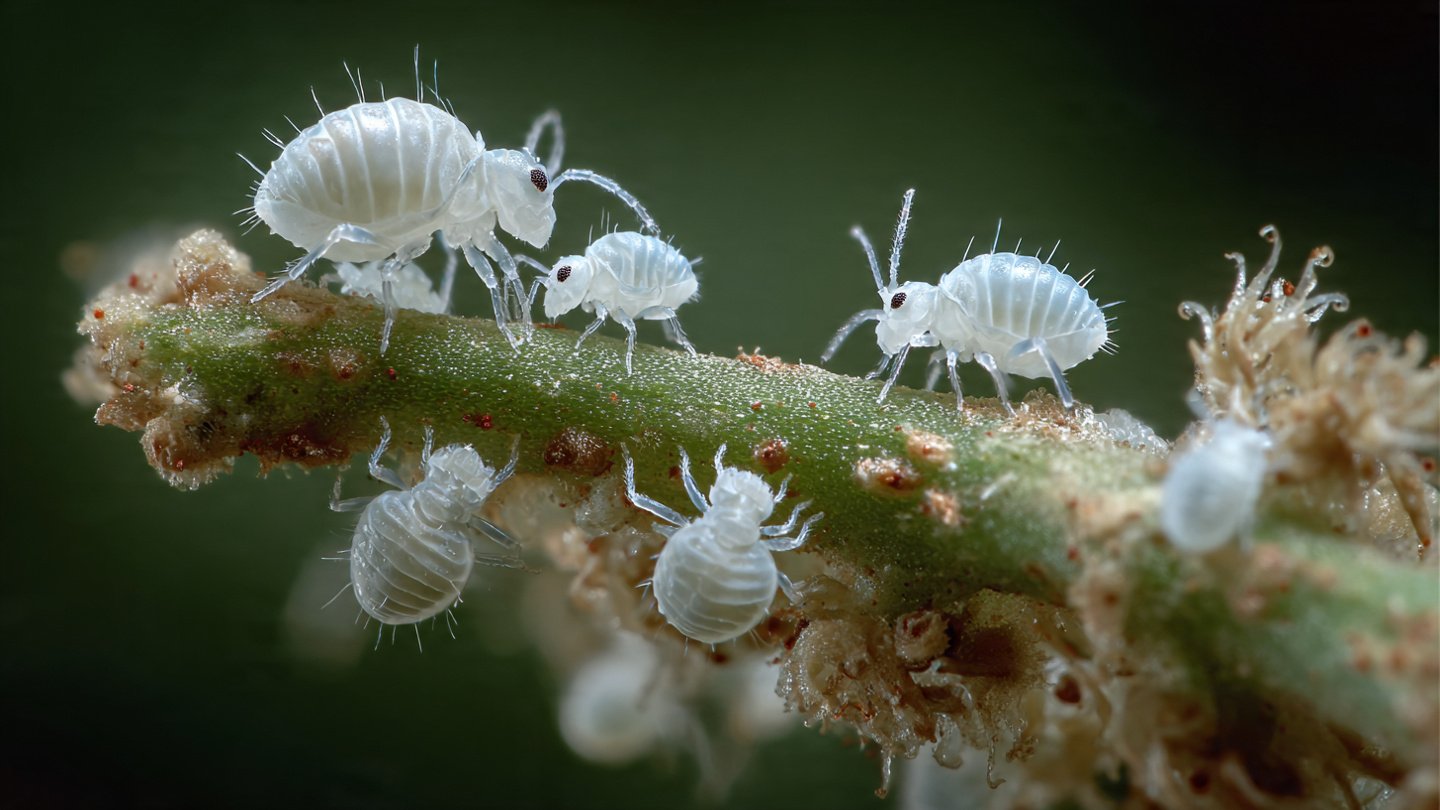
Mealybugs are sap-sucking pests that can wreak havoc on ornamental plants, fruit trees, and even vegetable gardens. Infestations can lead to wilting, yellowing, and stunted growth in plants, so it’s essential to handle them promptly. While chemical pesticides are often effective, they come with their own set of drawbacks, including harm to beneficial insects and potential toxicity to pets and humans. In this article, we will explore natural methods for managing mealybug infestations effectively.
Understanding Mealybugs
Mealybugs belong to the family Pseudococcidae and are characterized by their white, cottony appearance. They feed on plant sap and secrete a sticky substance known as honeydew, which can attract ants and lead to the growth of sooty mold. Identifying a mealybug infestation early is crucial to successful management.
Signs of Infestation
- White, cotton-like clusters on leaves and stems.
- Yellowing or wilting of leaves.
- Sticky residue (honeydew) on plant surfaces.
- Presence of sooty mold on leaves.
- Stunted growth or deformed leaves.
Natural Management Strategies
1. Neem Oil
Neem oil is a natural pesticide extracted from the seeds of the neem tree. It disrupts the life cycle of mealybugs, making it difficult for them to grow and reproduce.
How to Use: Mix 2 tablespoons of neem oil with a gallon of water and a few drops of dish soap. Spray this solution directly onto affected plants, ensuring coverage of both the upper and lower leaf surfaces. Repeat every week for at least three weeks to break the lifecycle of the pests.
2. Insecticidal Soap
Insecticidal soap is another effective and natural method for controlling mealybugs. The soap works by suffocating the insects.
How to Use: Combine 1 cup of liquid soap (use any natural soap without additives) with 1 gallon of water. Spray the solution directly onto mealybugs, making sure to wet them thoroughly. Repeat this treatment every few days as necessary to control the population.
3. Alcohol Treatment
Isopropyl alcohol is an effective method for directly killing mealybugs on contact. This method can be especially useful for small infestations.
How to Use: Soak a cotton ball or swab in isopropyl alcohol and dab it directly onto the mealybugs. You can also mix equal parts of water and alcohol in a spray bottle for larger infestations. Be sure to test a small area of the plant first to ensure it does not damage foliage.
4. Introduce Beneficial Insects
Beneficial insects like ladybugs and lacewings can help control mealybug populations. They feed on mealybugs and can significantly reduce their numbers in your garden.
How to Use: Purchase ladybug larvae or adult ladybugs from a garden center and release them in your garden. Ensure that you provide suitable habitats and food sources for them to thrive.
5. Horticultural Oils
Horticultural oils can effectively suffocate mealybugs and their eggs while being less harmful to beneficial insects compared to conventional pesticides.
How to Use: Dilute horticultural oil according to the manufacturer’s instructions. Spray directly onto affected plants, targeting all visible mealybugs. Reapply every two weeks as needed.
6. Diatomaceous Earth
Diatomaceous earth (DE) is a natural powder made from fossilized algae. It works by dehydrating insects when they come into contact with it.
How to Use: Dust DE onto the affected areas of your plants but avoid overapplication, as too much can harm beneficial insects. Reapply after watering or rainfall to maintain effectiveness.
7. Regular Monitoring and Maintenance
One of the best ways to manage mealybug infestations is to conduct regular checks on your plants. Early detection is crucial for effective management.
How to Use: Inspect plants weekly, looking specifically under leaves, where mealybugs tend to hide. Remove any visible mealybugs by hand, and maintain good cultural practices, such as proper watering and fertilization, to promote plant health.
Preventive Measures
Prevention is always better than cure. Implementing preventive measures can significantly reduce the likelihood of a mealybug infestation.
- Quarantine New Plants: Always keep new plants isolated for a few weeks to check for pests before introducing them to your garden or home.
- Good Air Circulation: Ensure plants have good air circulation and avoid overcrowding, which can create a conducive environment for pests.
- Maintain Plant Health: Healthy plants are more resistant to pest attacks. Provide balanced nutrition and appropriate watering.
- Avoid Excessive Fertilization: Over-fertilizing can lead to lush growth that attracts pests.
Conclusion
Managing a mealybug infestation naturally may require a combination of methods, from oils to beneficial insects, but it is a feasible and eco-friendly approach. Early detection and consistent monitoring are key to successful management. By adopting prevention strategies and caring for your plants proactively, you can significantly reduce the risk of future infestations. Remember to be patient and persistent; natural control methods may take time, but they are ultimately safer for your plants and the environment.
FAQs
1. Are mealybugs harmful to pets?
Mealybugs are not toxic to pets, but ingesting large quantities of any plant can lead to health issues. Keeping an eye on your pets and the plants they interact with is advisable.
2. How can I tell if mealybugs have completely disappeared?
Regular inspections and monitoring are crucial. Look for signs of their return, such as honeydew residue or the appearance of new clusters on your plants.
3. Can I use chemical pesticides if natural methods fail?
While chemical pesticides can be effective, it’s advisable to use them as a last resort due to their potential harm to beneficial insects and the environment. If you choose this route, follow all safety instructions carefully.
4. Will mealybugs return after treatment?
There is always a risk for mealybugs to return, particularly if new infected plants are introduced or if cultural practices are not maintained. Continuous monitoring is essential for long-term management.
5. Can I prevent mealybugs altogether?
While complete prevention is challenging, practicing good gardening habits, maintaining plant health, and keeping an eye on new plants can significantly reduce the risk of infestations.