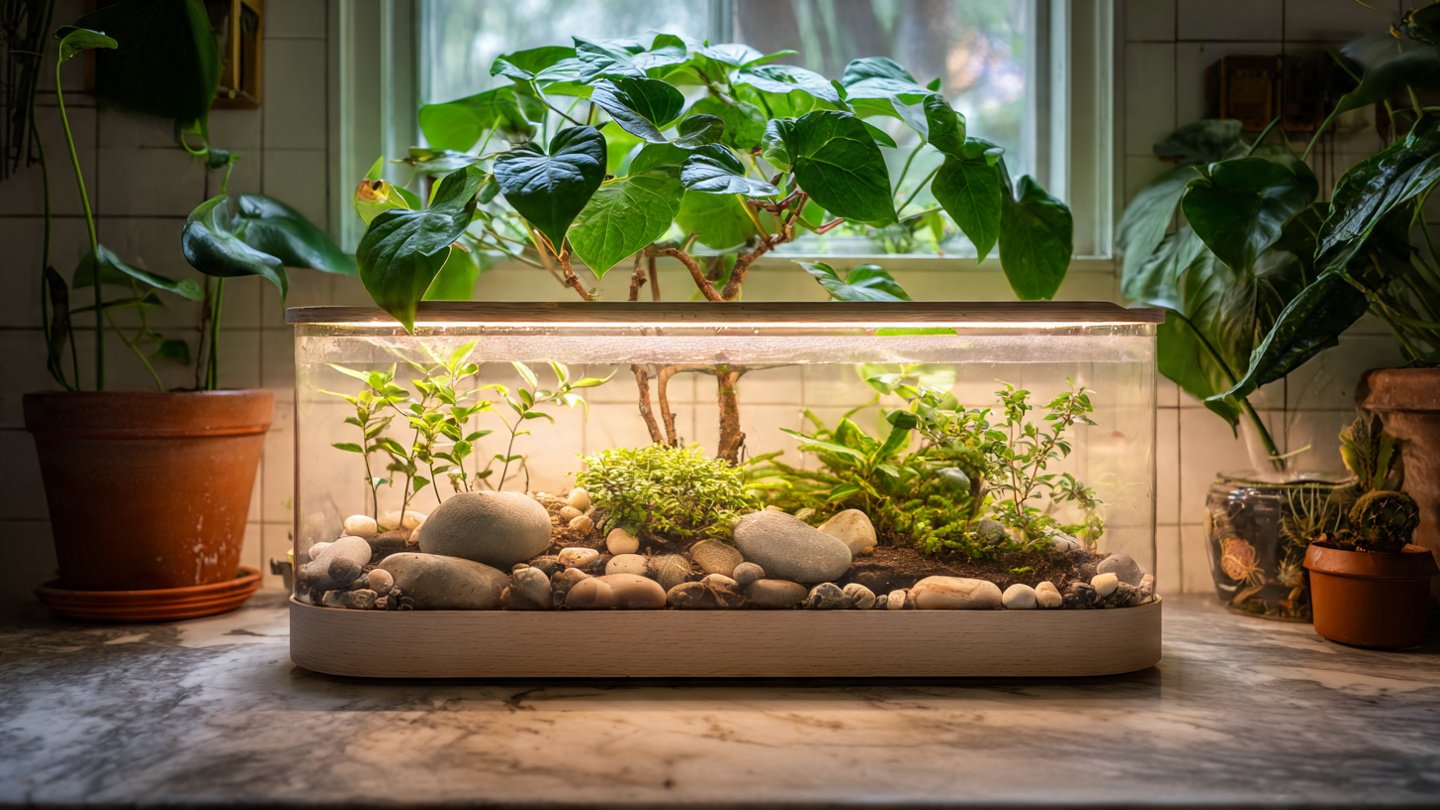
Creating an indoor garden has become increasingly popular among plant enthusiasts who seek to enjoy the beauty of nature within their homes. As we embark on this gardening journey, we encounter various mediums and techniques to grow our plants. One such innovative medium that has gained traction is clay pebbles. This article explores how you can elevate your indoor garden using clay pebbles in a soil-free setup, the benefits they offer, and tips to get started.
What are Clay Pebbles?
Clay pebbles, also known as hydroton or expanded clay aggregate, are small, round balls made from natural clay. During their production, the clay is heated to high temperatures, causing it to expand, resulting in a lightweight and porous material. These pebbles are typically brown or reddish-brown in color and are used prominently in hydroponics systems because of their excellent drainage and aeration properties.
Benefits of Using Clay Pebbles
When incorporating clay pebbles into your indoor garden, you’ll enjoy numerous benefits:
- Excellent Drainage: Clay pebbles effectively drain excess water, preventing root rot and allowing for optimal moisture levels.
- Aeration: The porous nature of clay pebbles promotes airflow to the plant roots, which is crucial for healthy growth.
- Lightweight and Easy to Handle: Compared to traditional soil, clay pebbles are lightweight, making them easier to transport and manage.
- pH Neutral: Clay pebbles do not alter the pH of your nutrient solution, allowing for consistent nutrient availability to your plants.
- Reusable: After use, clay pebbles can be cleaned and reused, making them an environmentally friendly choice.
- Reduced Pests and Diseases: Using a soilless medium minimizes the risk of pests and diseases often associated with traditional soil.
How to Use Clay Pebbles in a Soil-Free Setup
To elevate your indoor garden using clay pebbles, follow these steps:
1. Choose Your Setup
There are various ways to incorporate clay pebbles into your indoor garden. Some popular options include:
- Hydroponics Systems: Clay pebbles are a standard medium in many hydroponic setups, allowing the roots to access nutrients directly from the water.
- Aquaponics: In aquaponics setups, clay pebbles serve as a growing medium for plants while providing filtration for fish tanks.
- Self-Watering Containers: When combined with a reservoir, clay pebbles allow for a self-watering mechanism, ensuring plants receive consistent moisture.
2. Prepare the Container
Select a suitable container for your indoor garden. It should have drainage holes to facilitate efficient water drainage. Rinse the clay pebbles thoroughly to remove any dust or debris before adding them to the container.
3. Layer the Pebbles
Begin by adding a layer of clay pebbles to the bottom of your container (about 1-2 inches), which will serve as a drainage layer. Then, include more pebbles as needed to create a stable base for your plants. If you are planting seedlings, ensure the layer is deep enough to support their root systems.
4. Add Nutrient Solution
For hydroponic systems, prepare a nutrient-rich water solution. It’s essential to monitor the nutrient concentration regularly, ensuring your plants receive the necessary elements for growth. Pour the solution over the clay pebbles, allowing them to absorb the nutrients while still ensuring proper drainage.
5. Plant Your Seeds or Seedlings
Carefully plant your seeds or seedlings into the clay pebbles. For seedlings, gently separate the roots and spread them out in the clay pebbles for optimal growth. Ensure the plants are stable and upright, and avoid burying them too deep in the pebbles.
Care Tips for Your Indoor Garden
To ensure a thriving indoor garden using clay pebbles, adhere to the following care tips:
- Watering: Monitor your plants’ moisture levels. Hydroponic systems may need more frequent watering depending on the plant type and environmental conditions.
- Nutrient Management: Keep an eye on your nutrient solution and replace it every couple of weeks to prevent nutrient lockout.
- Light Exposure: Ensure your plants receive adequate light based on their specific needs. Consider using grow lights if natural sunlight is insufficient.
- Pest Control: Regularly inspect your plants for any signs of pests or diseases. Preventative measures are significantly easier to manage than remediation.
Conclusion
Elevating your indoor garden with clay pebbles in a soil-free setup not only enhances plant growth but also simplifies the maintenance process. These lightweight, reusable, and eco-friendly mediums offer multiple advantages, including improved drainage, aeration, and reduced pest issues. By following the guidelines outlined in this article, you can create a thriving indoor garden that brings nature into your home with minimal hassle. Whether you opt for a hydroponic or aquaponic system, clay pebbles can be a transformative addition to your gardening journey.
FAQs
Q1: Can I use clay pebbles alone for my indoor garden?
A1: Yes, clay pebbles can be used as a standalone medium or in combination with other hydroponic growing mediums for optimal results.
Q2: How often should I water my plants in a clay pebbles setup?
A2: Watering frequency depends on the plant type and the growing environment. Generally, it’s best to check the moisture level regularly and water when necessary.
Q3: Do I need to add nutrients to the water?
A3: Yes, when using clay pebbles in hydroponics, you must provide a nutrient solution to support plant growth, as clay pebbles do not contain nutrients.
Q4: Can I reuse clay pebbles after one growth cycle?
A4: Absolutely! After cleaning and sterilizing them, you can reuse clay pebbles for subsequent planting cycles.
Q5: Can clay pebbles be used for any type of plant?
A5: Clay pebbles are suitable for a wide range of plants, including herbs, leafy greens, and some flowering plants. Be sure to research specific plant needs for optimal results.