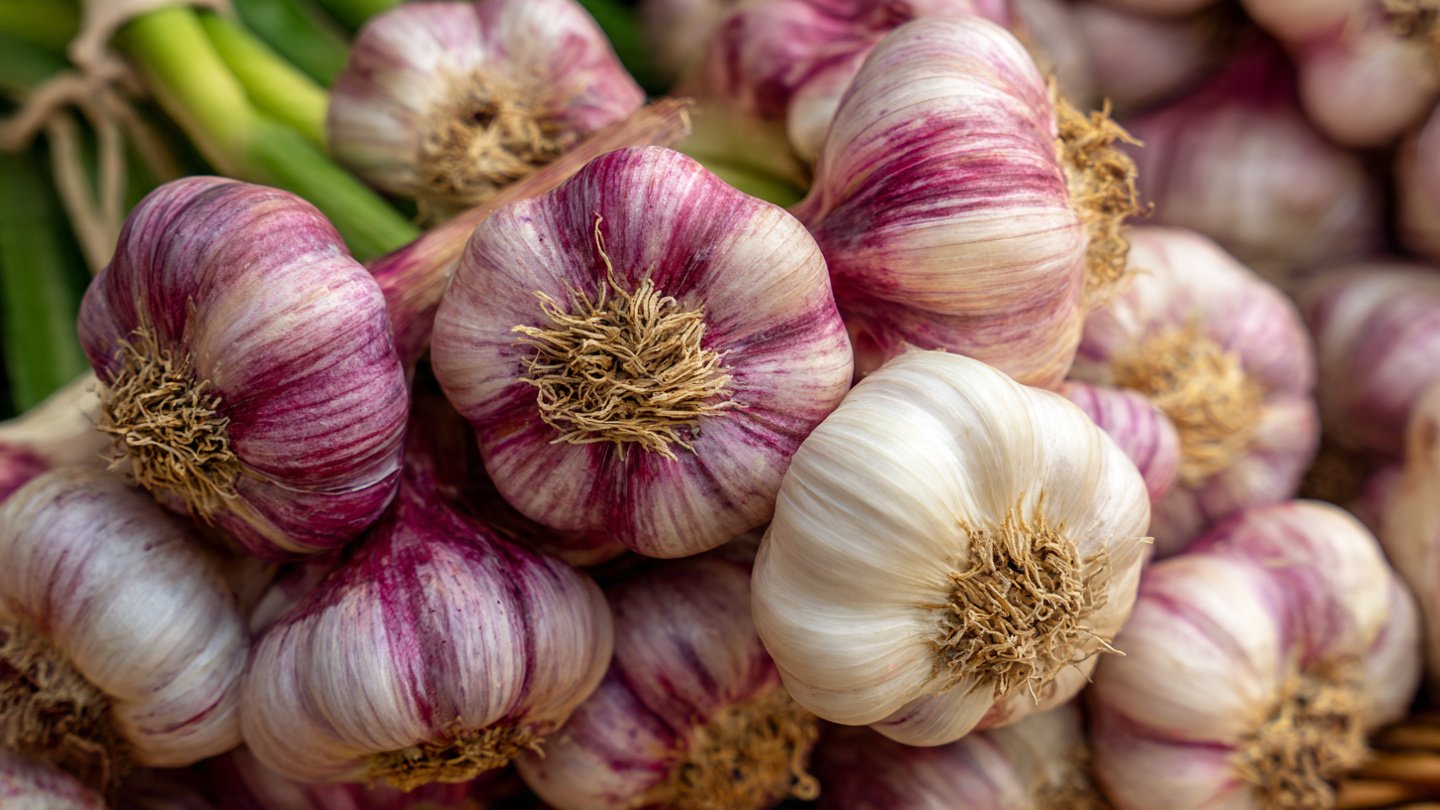
Garlic is a beloved ingredient in kitchens worldwide, prized not only for its unique flavor but also for its numerous health benefits. Growing garlic at home can be an enriching experience, and if you’re aiming for bulbs as large as tennis balls, you’re in for a rewarding challenge. This comprehensive guide will take you through every step, from selection to harvest, ensuring you cultivate thriving, oversized garlic bulbs naturally.
Understanding Garlic Varieties
Before diving into cultivation, it’s essential to know the different garlic varieties. Garlic can be broadly categorized into two groups:
Hardneck Garlic: Known for its robust flavor and ability to produce large flowers, hardneck varieties (like ‘Siberian’ and ‘Rocambole’) often grow larger bulbs. They thrive in cooler climates and typically produce fewer but more substantial cloves.
Softneck Garlic: This type (such as ‘Artichoke’ and ‘Silverskin’) generally offers a milder flavor and tends to have a longer shelf life. They can produce more bulbs but are often smaller in size compared to hardneck varieties.
For growing tennis-ball-sized garlic, hardneck varieties are usually more promising.
Selecting the Right Location
Sunlight
Garlic loves sunlight. Choose a planting site that receives at least 6-8 hours of direct sunlight each day. The more sun your garlic gets, the larger the bulbs are likely to grow.
Soil Quality
Garlic prefers loose, well-draining soil rich in organic matter. To ensure optimal growth, consider the following soil characteristics:
pH Level: Garlic thrives in slightly acidic to neutral pH levels (around 6.0-7.0). Test your soil and amend it if necessary with lime (to raise pH) or sulfur (to lower pH).
Texture: Sandy or loamy soils work best. Heavy clay soils can be amended with compost or well-rotted manure to improve drainage.
Preparing the Soil
Soil Amendments
To promote the best growth, enrich your soil before planting:
Compost: Add at least a 2-4 inch layer of compost to enhance soil fertility and improve structure.
Organic Fertilizers: Use organic fertilizers like bone meal, fish emulsion, or kelp meal to provide necessary nutrients, especially phosphorous and potassium, which support bulb development.
Tilling
Till the soil to a depth of at least 12 inches to break up compacted layers. This allows easy root penetration, which is crucial for growing large bulbs.
Planting Garlic
Timing
Garlic is typically planted in late fall or early spring, depending on your climate. For best results:
Fall Planting: In temperate zones, October is ideal. This allows the garlic to establish roots before winter, leading to bigger bulbs in the spring.
Spring Planting: If your winters are harsh, you can plant in early spring. Aim for a date about 2 weeks before your average last frost.
Clove Preparation
When selecting your garlic for planting, use only healthy, disease-free cloves:
Choose Bulbs: Select the largest, healthiest bulbs from the previous harvest or purchase certified seed garlic from reputable suppliers.
Separate Cloves: Gently separate the cloves from the bulb, keeping the papery skins intact.
Cure: If you’re using your own harvested garlic, ensure it’s well-cured before planting. This involves drying it in a well-ventilated area for a few weeks.
Planting Technique
Spacing: Space cloves about 6-8 inches apart (or 12 inches for larger bulbs), with rows 12-18 inches apart.
Depth: Plant cloves with the pointed end facing up, about 2 inches deep for smaller cloves and 3-4 inches deep for larger ones.
Watering: Water the cloves thoroughly after planting to help them establish.
Care and Maintenance
Watering
Garlic requires consistent moisture, especially while the leaves are growing. However, avoid overwatering. Here’s how to strike a balance:
Frequency: Water every 1-2 weeks during dry periods, ensuring the soil remains consistently moist but not waterlogged.
Mulching: Apply a 2-4 inch layer of organic mulch (like straw or shredded leaves). This conserves moisture, suppresses weeds, and regulates soil temperature.
Fertilization
Garlic is a heavy feeder. Plan for additional feeding at various growth stages:
Early Growth: Apply a nitrogen-rich fertilizer (like blood meal) during the early growth phase (1-2 months after planting) to promote leaf development.
Mid-Growth: Around mid-summer, switch to a balanced fertilizer (10-10-10) to support bulb formation.
Pre-Harvest: A few weeks before harvest, reduce fertilization to let the garlic cure naturally.
Pest and Disease Management
Garlic is relatively resilient but can face common pests and diseases. Here are preventative measures:
Rotational Planting: Avoid planting garlic in the same area each year to minimize soil-borne diseases.
Companion Planting: Grow garlic alongside plants like roses and fruit trees to deter pests, as garlic’s strong scent can repel them.
Monitoring: Keep an eye out for pests like aphids and thrips and use organic insecticidal soap if needed.
The Importance of Weeding
Weeds compete for nutrients and moisture, which can stunt your garlic’s growth. Hand-pulling or using a hoe to remove weeds early in the growing season helps maintain optimal conditions.
Harvesting Garlic
Knowing when to harvest garlic is crucial for achieving tennis-ball-sized bulbs. Here’s what to look for:
Timing: Garlic is typically ready for harvest when 50-70% of the lower leaves turn brown and dry, which is usually in late summer.
Testing: Gently pull up a bulb from around the perimeter. If the skin is still intact and the bulb is sizable, it’s time to harvest.
Method: Use a garden fork or shovel to lift bulbs from the ground without damaging them.
Curing Garlic
Once harvested, garlic must be cured to improve flavor and storage life:
Cleaning: Brush off excess soil, but do not wash the bulbs.
Curing Environment: Hang or lay the bulbs in a shaded, ventilated area for 2-3 weeks. Ideal conditions are 60-70°F (15-21°C) with low humidity.
Storage: Once cured, store garlic in a cool, dark place with good airflow. Avoid plastic bags as they trap moisture.
Conclusion
Growing garlic bulbs as large as tennis balls is indeed a rewarding venture, blending artistry with science. By selecting the right variety, preparing soil adequately, maintaining proper care, and harvesting at the perfect time, you can successfully cultivate massive garlic bulbs right in your backyard. With patience and diligence, you’ll be able to add your own homegrown culinary masterpieces to your dishes—and enjoy the satisfaction of achieving a gardening goal worth celebrating. Happy gardening!