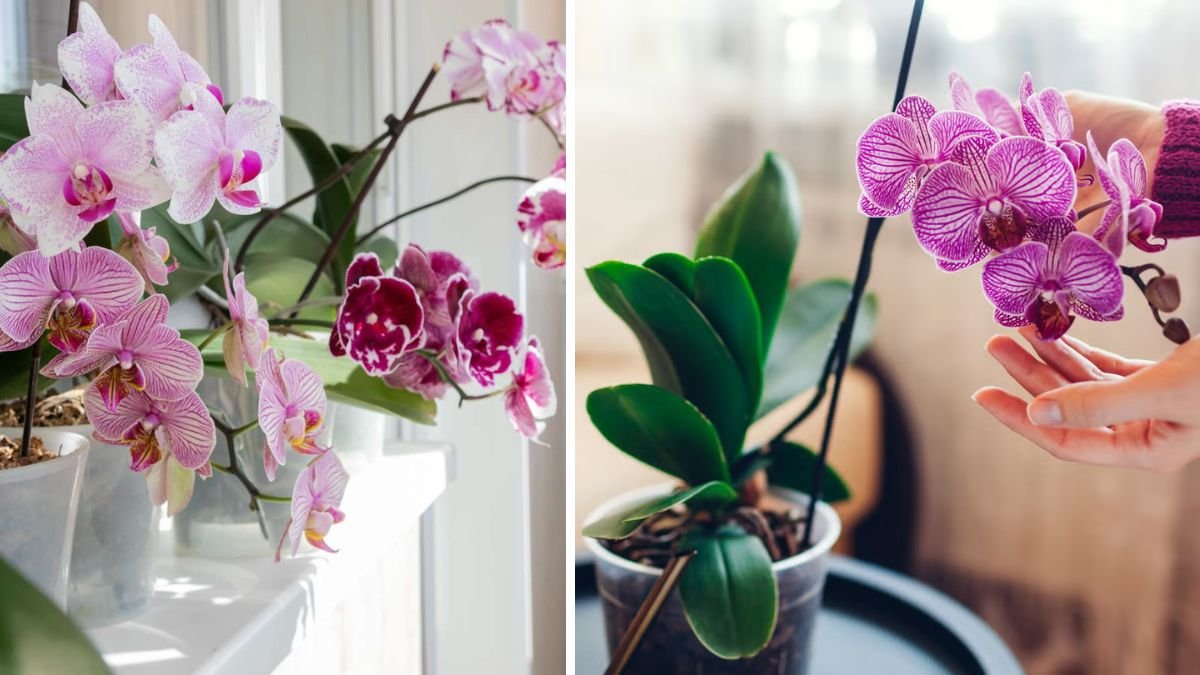
Orchids are famous for their elegant flowers and long-lasting blooms, yet many plant lovers struggle to get their orchids to rebloom consistently—or to produce large, vibrant flowers that last. The secret often comes down to one critical care factor: fertilization timing. Understanding how often to fertilize an orchid for bigger, longer-lasting blooms can make the difference between a plant that merely survives and one that truly thrives.
Unlike typical houseplants, orchids have unique nutritional needs. They grow in loose, airy media rather than soil, which means nutrients wash away quickly. This makes a well-planned fertilizing schedule essential. In this guide, you’ll learn exactly when and how often to fertilize orchids, what type of fertilizer to use, and how to avoid the most common mistakes that prevent healthy flowering.
Why Fertilizing Orchids Is So Important
In nature, orchids grow attached to trees or rocks, absorbing small amounts of nutrients from rainwater, decomposing leaves, and organic debris. When grown indoors, orchids rely entirely on you to supply these nutrients. Bark mixes, sphagnum moss, and other orchid media provide excellent drainage and airflow—but almost no nutrition.
Without consistent feeding, orchids may produce weak leaves, thin roots, and fewer flower spikes. Over time, this nutrient deficiency leads to smaller blooms or no blooms at all. Proper fertilization supports:
- Strong root development
- Healthy leaf growth
- Flower spike formation
- Larger, longer-lasting blooms
The key is not just what you feed your orchid, but how often you fertilize it.
How Often to Fertilize an Orchid for Bigger, Longer-Lasting Blooms
The “Weakly, Weekly” Approach
One of the most widely recommended methods by orchid experts is the “weakly, weekly” fertilizing approach. This means applying fertilizer at a very diluted strength once per week during active growth periods.
Using diluted fertilizer mimics how orchids receive nutrients in nature—small, frequent doses rather than heavy feedings. This approach encourages steady growth while minimizing the risk of root burn or salt buildup.
A general guideline is to dilute your fertilizer to about ¼ of the recommended strength on the label and apply it weekly during the growing season.
Fertilizing During Active Growth (Spring and Summer)
Spring and summer are when most orchids experience active growth. You may notice new leaves, expanding roots, or the early formation of flower spikes. This is the most important time to fertilize if you want bigger blooms.
During this phase:
- Fertilize once a week using diluted fertilizer
- Alternatively, fertilize every 10–14 days at slightly stronger dilution
- Always apply fertilizer to moist roots or damp growing media
Consistent feeding during active growth helps orchids store energy, which directly impacts the size and longevity of future blooms.
Fertilizing Orchids During the Blooming Stage
Many orchid owners are unsure whether to fertilize while the plant is blooming. The answer depends on the orchid’s growth activity.
If your orchid is actively growing new leaves or roots while in bloom—common with Phalaenopsis orchids—you can continue fertilizing lightly. Use a diluted balanced fertilizer every two to three weeks.
If the orchid is not producing new growth and is simply holding flowers, it’s best to reduce feeding. Excess fertilizer during this stage may encourage leaf growth at the expense of flowers or shorten bloom duration.
For orchids forming flower spikes, some growers switch temporarily to a bloom-focused fertilizer slightly higher in phosphorus to support bud development.
Fertilizing During Dormancy (Fall and Winter)
Many orchids slow their growth during cooler months or after flowering. This dormant or semi-dormant phase is a time for rest, not heavy feeding.
During dormancy:
- Reduce fertilizing to once a month
- Or stop fertilizing entirely if growth has completely paused
Continuing to fertilize heavily during dormancy can lead to salt buildup in the growing medium, damaged roots, and poor flowering the following season.
Choosing the Right Fertilizer for Orchids
A balanced, water-soluble fertilizer is the best choice for most orchids. Look for formulas labeled specifically for orchids, or use a balanced fertilizer such as 20-20-20 diluted appropriately.
Key fertilizer tips:
- Use liquid or water-soluble fertilizer
- Avoid slow-release pellets unless specifically designed for orchids
- Consider a bloom booster before flowering, but don’t rely on it year-round
Orchid-specific fertilizers are formulated to dissolve cleanly and reduce the risk of residue buildup, which is especially important in bark-based media.
How to Apply Fertilizer Correctly
Even the best fertilizer won’t help if it’s applied incorrectly. Proper technique protects delicate orchid roots and improves nutrient absorption.
Follow these steps:
- Water the orchid first to moisten the roots
- Apply diluted fertilizer solution evenly
- Allow excess water to drain completely
- Never let orchids sit in standing water
Once a month, flush the growing medium with plain water to remove accumulated fertilizer salts. This step is essential for long-term root health.
Common Fertilizing Mistakes That Prevent Blooms
Overfertilizing
Applying fertilizer too often or at full strength is one of the most common mistakes. Overfertilization can burn roots, cause leaf tip damage, and actually reduce flowering.
Fertilizing at the Wrong Time
Feeding orchids heavily during dormancy or immediately after repotting can stress the plant. Always match fertilization to growth activity.
Using the Wrong Fertilizer
General-purpose plant fertilizers are often too concentrated or poorly suited to orchid media. Orchid-specific or diluted balanced fertilizers are safer and more effective.
Skipping Regular Flushing
Salt buildup in the potting medium blocks nutrient absorption and damages roots over time. Monthly flushing helps prevent this problem.
Species-Specific Fertilizing Considerations
While general guidelines work for most orchids, some species have unique needs:
- Phalaenopsis (Moth Orchids): Prefer consistent, light feeding year-round if actively growing
- Cattleya Orchids: Benefit from reduced feeding during dormancy
- Dendrobium Orchids: Fertilize heavily during growth, then reduce sharply during rest
Observing your orchid’s growth patterns is just as important as following a schedule.
Final Thoughts: Feeding Orchids for Bigger, Better Blooms
Learning how often to fertilize an orchid for bigger, longer-lasting blooms is one of the most valuable skills an orchid grower can develop. The goal is consistency without excess—light, regular feeding during growth, reduced feeding during rest, and careful observation of your plant’s response.
When paired with proper light, watering, and airflow, the right fertilizing routine can transform your orchid into a showpiece that blooms reliably year after year. With patience and the right care, your orchids won’t just survive—they’ll reward you with stunning flowers that last longer and look better every season.