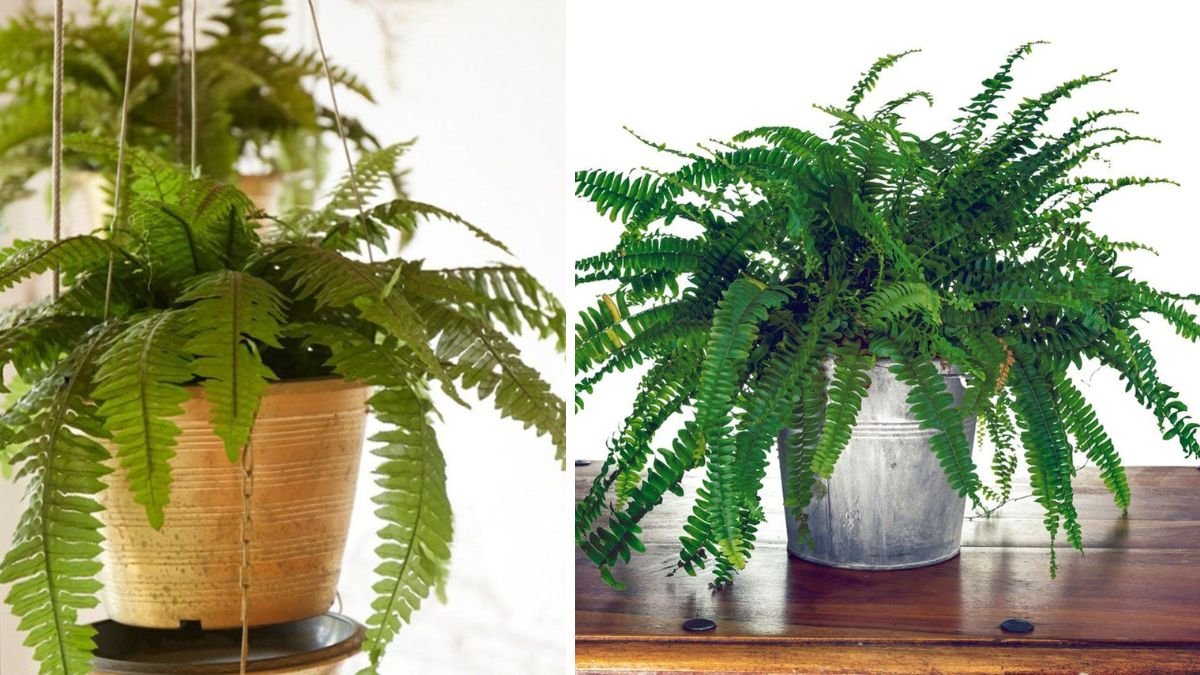
Introduction — The Timeless Charm of Indoor Ferns
Indoor ferns are among the most beloved houseplants, cherished for their lush, feathery foliage and ability to bring a touch of woodland beauty into the home. Unlike easy-care succulents, ferns require specific attention to light, moisture, and humidity to thrive.
With proper care, ferns like the Boston fern, maidenhair fern, and bird’s-nest fern can flourish indoors, adding a calming green presence to living spaces, offices, and bathrooms. Their trailing fronds create a natural, tropical aesthetic, making them a favorite among indoor plant enthusiasts. However, neglecting their environmental needs can lead to wilting, browning, or pest problems.
This guide provides step-by-step advice for watering, lighting, humidity, soil, fertilizing, pruning, and troubleshooting, ensuring your indoor ferns stay lush, healthy, and beautiful.
Light Requirements — Bright, Indirect Is Best
Ferns naturally grow on forest floors, receiving filtered sunlight through tree canopies. Indoor ferns prefer bright, indirect light and should be placed near north- or east-facing windows.
- Direct sunlight can scorch delicate fronds, leaving brown edges or faded coloration.
- Low-light conditions may slow growth and produce leggy, weak foliage.
- If natural light is insufficient, consider a full-spectrum grow light positioned 12–18 inches from the plant for 10–12 hours daily.
By mimicking their natural light environment, you encourage vibrant, strong growth and prevent common stress-related issues.
Watering — Keep Soil Moist, Not Soggy
Watering is critical in fern care. Most indoor ferns thrive in soil that is evenly moist but not waterlogged.
- Check the top inch of soil; water when it feels dry.
- Overwatering leads to root rot, while underwatering causes fronds to wilt or brown.
- Water directly at the soil level, avoiding frequent splashing on fronds.
Seasonal Tips:
- During spring and summer, when growth is active, water once or twice a week, depending on your home environment.
- In fall and winter, reduce watering as growth slows.
Some sensitive species, like maidenhair ferns, benefit from filtered, distilled, or rainwater to avoid chlorine or mineral buildup that can damage roots.
Humidity — The Key to Thriving Ferns
Humidity is often the most crucial factor in indoor fern health. Most species thrive in moderate to high humidity, ideally above 50%.
Ways to boost humidity:
- Use a humidifier in the room.
- Place a pebble tray filled with water beneath the pot.
- Group ferns together to naturally increase humidity through transpiration.
- Avoid placing ferns near heaters or air conditioning vents, which dry out the air.
Insufficient humidity leads to crispy fronds, browning leaf tips, and leaf drop, particularly in delicate species like maidenhair ferns. Maintaining consistent humidity is essential for lush, healthy foliage.
Soil & Repotting — Mimicking the Forest Floor
Ferns prefer well-draining yet moisture-retentive soil, mimicking the humus-rich forest floor.
Ideal soil mix:
- Peat moss or coco coir for moisture retention.
- Perlite or pumice for aeration and drainage.
- Compost or leaf mold for nutrient richness.
Repotting Guidelines:
- Repot ferns every 12–24 months or when roots crowd the container.
- Choose pots with drainage holes to prevent standing water.
- The best time to repot is spring or early summer to encourage active growth.
Proper soil and repotting practices prevent root rot and promote vibrant frond development.
Temperature & Air Circulation
Indoor ferns thrive in temperatures between 65–75°F (18–24°C).
- Avoid cold drafts from windows or doors.
- Keep away from heating vents or air conditioners that dry out the air.
- Ensure good air circulation to prevent fungal problems and maintain healthy growth.
Stable temperature and airflow replicate the fern’s natural environment, encouraging strong, resilient foliage.
Fertilizing — Feeding with Care
Ferns are light feeders, but regular fertilization helps maintain lush growth.
- Use a diluted balanced liquid fertilizer (half-strength) monthly during spring and summer.
- Avoid fertilizing in fall and winter when growth slows.
- Overfertilizing can cause fertilizer burn, leading to yellow or scorched fronds.
Balanced feeding supports healthy frond expansion and vibrant coloration.
Pruning & Maintenance
Pruning helps ferns remain dense and healthy:
- Remove yellowing, brown, or damaged fronds promptly.
- Use clean, sterilized scissors to prevent disease spread.
- Seasonal pruning refreshes the plant and encourages new growth.
Regular maintenance ensures that your fern remains visually appealing and free from disease.
Common Problems & Troubleshooting
Even with proper care, indoor ferns may encounter issues. Here’s how to troubleshoot:
Browning Fronds
- Cause: Low humidity, inconsistent watering.
- Solution: Increase humidity, maintain evenly moist soil.
Leaf Burn
- Cause: Direct sunlight exposure.
- Solution: Move to indirect light or use sheer curtains.
Wilting or Yellowing
- Cause: Overwatering or poor drainage.
- Solution: Ensure well-draining soil and proper pot drainage.
Pests & Diseases
- Common pests: scale, spider mites, aphids.
- Prevention: Maintain moderate humidity and good air circulation.
Early detection and proper care prevent long-term damage and keep ferns thriving.
Aesthetic Tips for Indoor Placement
- Place ferns in hanging baskets, shelves, or tabletops for cascading fronds.
- Rotate plants periodically to ensure even light exposure and symmetrical growth.
- Combine multiple ferns or pair with other tropical plants to increase humidity and visual appeal.
By thoughtfully placing ferns, you enhance both plant health and the decorative impact in your home.
Quick Care Summary
| Care Aspect | Requirement |
|---|---|
| Light | Bright, indirect light |
| Water | Moist soil, allow top inch to dry between waterings |
| Soil | Well-draining mix with peat, perlite, compost |
| Temperature | 65–75°F (18–24°C) |
| Humidity | Moderate to high (>50%) |
| Fertilizer | Balanced, half-strength monthly in growing season |
| Pruning | Remove damaged fronds; seasonal trimming |
Authoritative Sources
- Trusted Houseplant Guide – Indoor Fern Care Tips: Link
- Gardening Know How – Growing Ferns Indoors: Link
- Gardener’s Supply – Fern Care Advice: Link
- Foliage Factory – Ferns as Houseplants: Link
These sources provide step-by-step care instructions, troubleshooting tips, and visuals for beginner and experienced indoor gardeners.
Final Thoughts
Indoor ferns bring a touch of elegance and tranquility to any room, but they require careful attention to light, humidity, and soil conditions. By following these proven care strategies, you can enjoy lush, vibrant fronds year-round.
Whether you’re growing Boston ferns, maidenhair ferns, or other popular varieties, replicating their forest-floor habitat indoors ensures they thrive. With consistent watering, moderate humidity, indirect light, and occasional pruning, your indoor ferns will reward you with healthy, full foliage that enhances both your home and your well-being.