Introduction — Crabgrass: A Common Lawn Invader
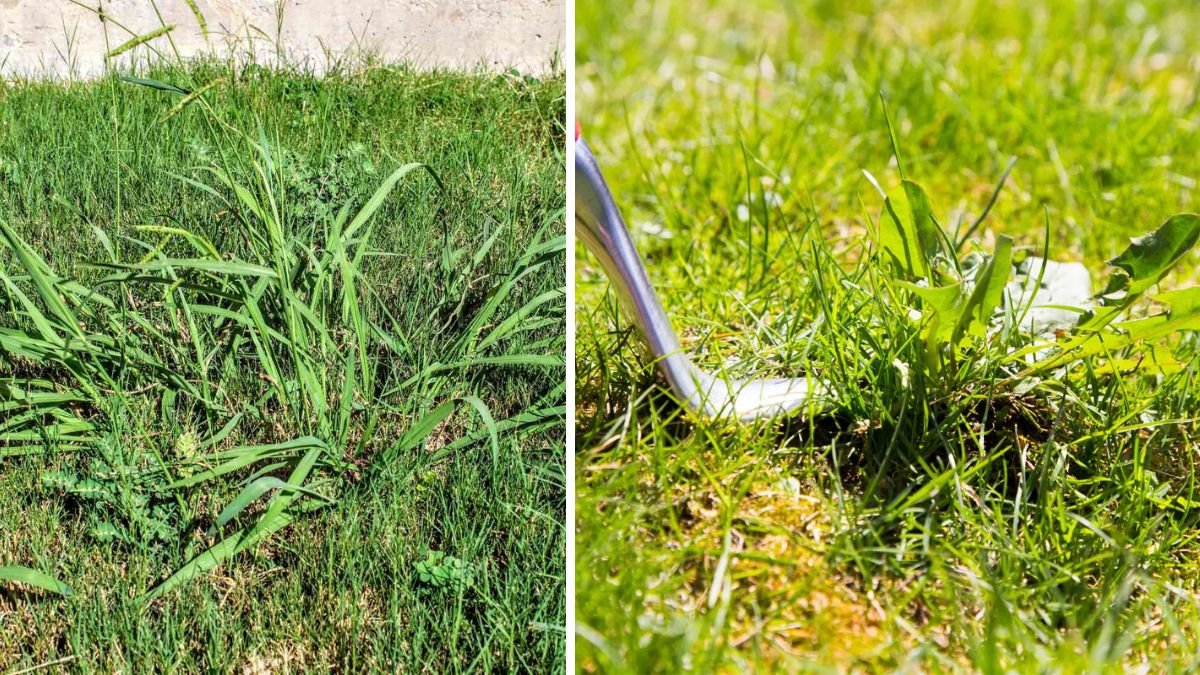
Crabgrass is one of the most common and frustrating weeds that homeowners face. This fast-growing annual grass thrives in warm weather, germinating when soil temperatures reach around 55°F. It prefers bare spots, compacted soil, and areas with frequent shallow watering. If left unchecked, crabgrass can quickly take over a lawn, outcompeting your grass for sunlight, water, and nutrients. The result? A patchy, unkempt yard that can be difficult to restore. (ipm.ucanr.edu)
Fortunately, crabgrass can be managed and even prevented with a combination of strategic lawn care, herbicide use, and proper maintenance. In this guide, we’ll cover the most effective ways to get rid of crabgrass, including prevention, removal, chemical and natural options, and lawn care practices that make your turf more resilient.
1. Prevent Crabgrass with Pre-Emergent Herbicides
The most effective way to combat crabgrass is prevention. Applying a pre-emergent herbicide in early spring before crabgrass seeds germinate can stop infestations before they begin. Pre-emergent products form a barrier in the soil, preventing seeds from sprouting. (lawncareguides.com)
Timing Matters
- Apply pre-emergent herbicides when soil temperatures consistently reach 50–55°F.
- A common natural indicator: when forsythia blooms, it’s often the ideal time to treat.
Application Tips
- Measure your lawn to calculate the correct amount of herbicide.
- Use a spreader to ensure even coverage.
- Water lightly after application to activate the product in the soil.
Pre-emergent treatments do not kill existing crabgrass but are essential for long-term control and reducing the weed’s seed bank in your lawn. (tomsguide.com)
2. Manual and Mechanical Removal
If crabgrass has already sprouted, manual removal is an effective option for small patches. Removing weeds before they produce seeds prevents future infestations.
Methods:
- Pull individual plants by hand or use a weed-pulling tool to remove roots completely. (crabgrasslawn.com)
- Work in moist soil for easier extraction.
- Dispose of removed plants properly to prevent seeds from spreading.
Manual removal works best when crabgrass is young and has not spread extensively. For larger infestations, combining hand removal with herbicide treatments is more effective. (gardenbotany.com)
3. Post-Emergent Herbicides for Active Crabgrass
For crabgrass that is already established, post-emergent herbicides are the most practical solution. These products target actively growing weeds and help control infestations. (sodsolutions.com)
Tips for Using Post-Emergents
- Apply when crabgrass is young and actively growing; mature plants are harder to kill. (ipm.ucanr.edu)
- Choose a product compatible with your turf type to avoid damage.
- Products containing quinclorac are effective against crabgrass but may require multiple applications for complete control.
Always follow label instructions carefully for safety and maximum effectiveness.
4. Natural and DIY Control Methods
For homeowners seeking chemical-free solutions, several natural methods can help control crabgrass:
- Horticultural Vinegar: Stronger than household vinegar, it can desiccate crabgrass leaves. Be cautious, as it can harm desirable grass if applied incorrectly. (gardenbotany.com)
- Boiling Water: Pouring boiling water over young crabgrass can kill it, but it may also damage nearby turf. (housedigest.com)
- Solarization: Covering infested areas with clear plastic during hot weather raises soil temperature and helps eliminate seeds and roots. (housedigest.com)
These methods are best suited for small, targeted areas and work well as a supplement to other control strategies.
5. Improve Lawn Health to Outcompete Crabgrass
A strong, dense lawn naturally resists crabgrass invasion. Healthy turf can shade soil, reduce bare spots, and outcompete weeds for nutrients and water. Key practices include:
Mowing Practices
- Mow grass at the recommended height for your species. Taller grass shades soil, limiting crabgrass germination. (ipm.ucanr.edu)
Watering Techniques
- Water deeply but infrequently to encourage deep root growth. Shallow, frequent watering favors shallow-rooted weeds like crabgrass. (gardenbotany.com)
Fertilization and Overseeding
- Apply fertilizer according to your grass type’s schedule.
- Overseed bare spots to prevent weeds from taking over. (lawncareguides.com)
Aeration
- Aerate compacted soil to allow nutrients and water to penetrate deeper, improving turf health and reducing weed growth. (gardenbotany.com)
Seasonal Lawn Care for Crabgrass Prevention
Crabgrass control requires year-round attention:
- Early Spring: Apply pre-emergent herbicides before seeds germinate.
- Spring–Summer: Monitor and hand-pull any new crabgrass seedlings.
- Late Summer–Fall: Fertilize and overseed thin spots to build turf density for the following season.
Consistency is key; maintaining proper lawn care practices prevents recurring infestations. (tomsguide.com)
Why Crabgrass Is So Persistent
Crabgrass is an annual weed that produces thousands of seeds each year. Seeds can remain viable in soil for several years, making prevention and early control essential. This weed thrives in open soil, frequent shallow watering, and sparse turf, which is why maintaining a dense, healthy lawn is one of the most effective defenses. (southernliving.com)
Authoritative Sources
- LawnCareGuides – Crabgrass Control Guide (lawncareguides.com)
- UC Integrated Pest Management – Crabgrass (ipm.ucanr.edu)
- Tom’s Guide – Crabgrass Tips (tomsguide.com)
- Southern Living – Crabgrass Lawn Guide (southernliving.com)
Conclusion
Getting rid of crabgrass on your lawn requires a combination of prevention, active control, and healthy lawn practices. Applying pre-emergent herbicides in early spring, removing weeds manually, using post-emergent treatments, and maintaining strong turf through proper mowing, watering, and fertilization will give your lawn the competitive edge against crabgrass.
With diligence and consistency, you can enjoy a lush, green, and weed-free lawn, reducing the frustration and maintenance associated with this persistent weed.