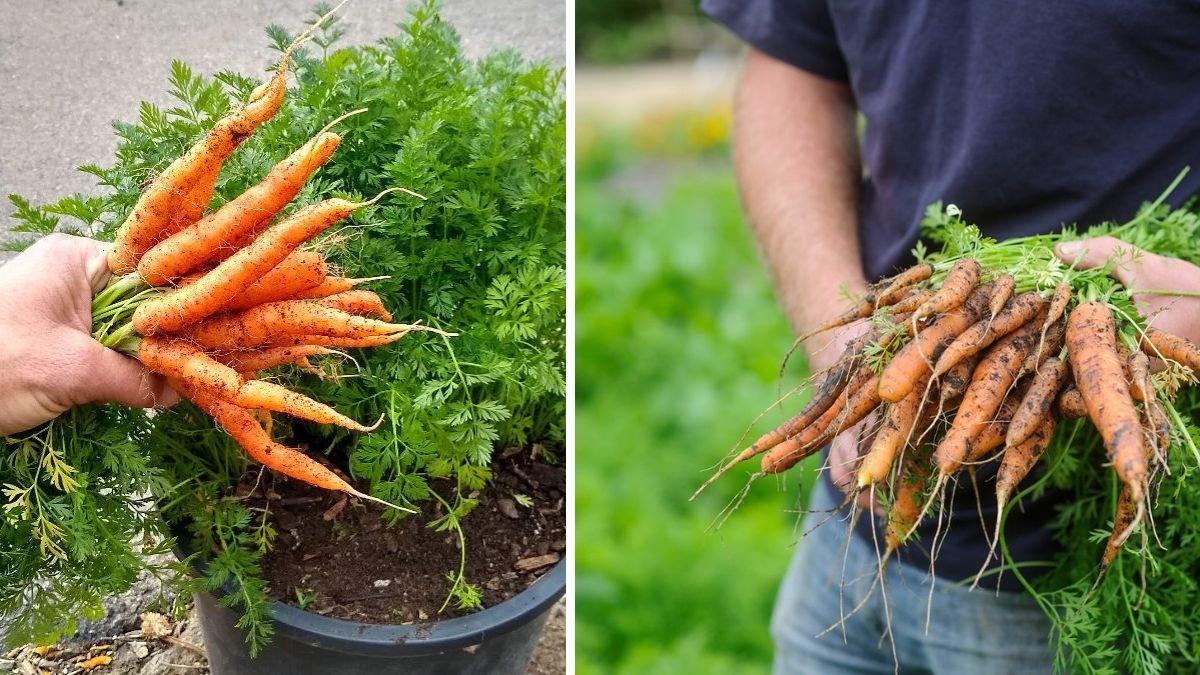
Growing carrots at home is easier than many people think. Homegrown carrots are cleaner, more flavorful, and healthier than store-bought options. Whether you have a backyard garden, a raised bed, or even a balcony pot, you can cultivate fresh carrots every season. This guide will show you how to grow carrots at home very simply while ensuring they stay clean, fresh, and abundant all year long.
Why Grow Carrots at Home?
Growing your own carrots comes with numerous benefits:
- Better flavor and nutrition: Garden-grown carrots are sweeter and more tender than supermarket varieties.
- Chemical-free and clean: You control what goes into the soil, ensuring safer, healthier carrots.
- Ideal for small spaces: Carrots grow well in raised beds, containers, or pots.
- Year-round harvest: With careful planning and succession planting, you can enjoy carrots in every season.
Authoritative sources like The Old Farmer’s Almanac and the Royal Horticultural Society emphasize that carrots are versatile, easy to grow, and perfect for both beginner and experienced gardeners.
Step 1: Choosing the Right Seeds
The first step is selecting the right carrot variety. Shorter carrots like Thumbelina or Nantes are perfect for containers, while longer types thrive in garden beds. If you want carrots with exceptional flavor, heirloom varieties are ideal.
Consider your growing space and your goals when choosing seeds. If you aim for a continuous harvest, planting different varieties with staggered maturity times will keep carrots coming throughout the year.
Step 2: Preparing the Soil
Carrots grow best in loose, well-drained soil with plenty of organic matter. Remove stones and debris to prevent misshaped roots, and mix the soil with compost and a bit of sand for proper structure.
The ideal soil pH is 6.0–6.8, and a depth of at least 10–12 inches allows the roots to grow straight and long. Avoid compacted soil, as this can result in forked or stunted carrots.
For small spaces, raised beds or deep containers are excellent options. Just make sure the soil is loose and deep enough for the carrot roots to grow without obstruction.
Step 3: Sowing the Seeds
Carrots are best sown directly into the garden or container. They do not transplant well. Plant seeds about ¼ inch deep and space them thinly in rows.
A helpful tip is to mix the tiny carrot seeds with fine sand before sowing. This makes it easier to spread them evenly and avoid overcrowding. Overcrowded seedlings will compete for nutrients and sunlight, resulting in smaller or misshaped carrots.
After sowing, lightly water the soil to keep it consistently moist.
Step 4: Watering and Mulching
Consistent moisture is key to healthy carrots. Keep the soil evenly moist but not soggy, especially during germination. Water gently every few days to avoid washing seeds away.
Adding mulch helps retain soil moisture, suppress weeds, and maintain cooler root temperatures. Straw, shredded leaves, or grass clippings all work well as mulch. Avoid overwatering, as soggy soil can cause roots to rot.
Step 5: Thinning Seedlings
Once seedlings reach 2–3 inches tall, thin them to 2–3 inches apart. This spacing ensures each carrot has enough room to grow properly. Crowded seedlings will compete for nutrients and light, leading to smaller or twisted roots.
Thinning may feel wasteful, but it’s essential for producing strong, clean carrots. The thinned seedlings can even be used in salads as baby carrots.
Step 6: Sunlight and Seasonal Care
Carrots thrive in full sun, requiring 6–8 hours of sunlight per day. They are adaptable to different seasons, with spring and fall being ideal for most climates. In warmer regions, carrots can even grow in mild winters.
For year-round carrots, use succession planting: sow seeds every 3–4 weeks. This method ensures you always have a fresh supply without overwhelming your garden space.
In hotter climates, provide partial shade to prevent roots from becoming woody or bitter. Monitor soil moisture more frequently during summer heat.
Step 7: Harvesting Carrots
Carrots usually take 2–3 months to mature, depending on the variety. Check the top of the carrot root by gently brushing soil away — the diameter should roughly match the size of your finger.
Carrots can be harvested early as baby carrots, or left to grow for full-size roots. Use a garden fork or trowel to gently loosen soil before pulling carrots to avoid breaking them.
Tips for Cleaner, Healthier Carrots
- Avoid fresh manure directly in the planting bed; it can cause forked roots. Use well-composted organic matter instead.
- Companion planting with onions, leeks, or herbs like rosemary can deter pests.
- Rotate crops yearly to prevent diseases and nutrient depletion.
- Monitor pests like carrot flies by using row covers or planting strong-scented companions nearby.
Following these tips ensures you harvest clean, fresh, and healthy carrots every season.
Growing Carrots in Containers
Even if you lack a traditional garden, carrots grow well in pots or raised beds. Use deep containers (at least 12 inches) with loose, well-drained soil. Choose shorter varieties, water consistently, and ensure proper sunlight. Container-grown carrots are excellent for balconies, patios, or indoor garden setups.
Common Mistakes to Avoid
- Planting too deep or too shallow: Seeds planted incorrectly may fail to germinate.
- Overcrowding: Leads to stunted growth and forked roots.
- Neglecting water: Uneven watering causes cracking or bitter roots.
- Ignoring pests: Carrot flies and root-knot nematodes can damage crops.
Avoiding these pitfalls will help you achieve consistent, clean carrots every season.
Authoritative Sources for More Tips
For expert gardening advice and seasonal planting schedules, refer to:
- The Old Farmer’s Almanac – Carrot Growing Guide
- Royal Horticultural Society (RHS) – Carrots Guide
- Times of India – Home Carrot Gardening
- Taim.io – Growing Carrots
Conclusion
Growing carrots at home doesn’t have to be complicated. By choosing the right seeds, preparing loose soil, watering consistently, and following proper spacing and seasonal care, you can enjoy fresh, clean carrots every season.
With a little patience and attention to detail, your home garden can produce nutritious, delicious carrots that are far superior to store-bought ones. Whether you use garden beds, raised plots, or containers, growing carrots at home is simple, rewarding, and perfect for every gardener.
Start planting today and enjoy the satisfaction of harvesting your own clean, flavorful carrots all year long!