Introduction
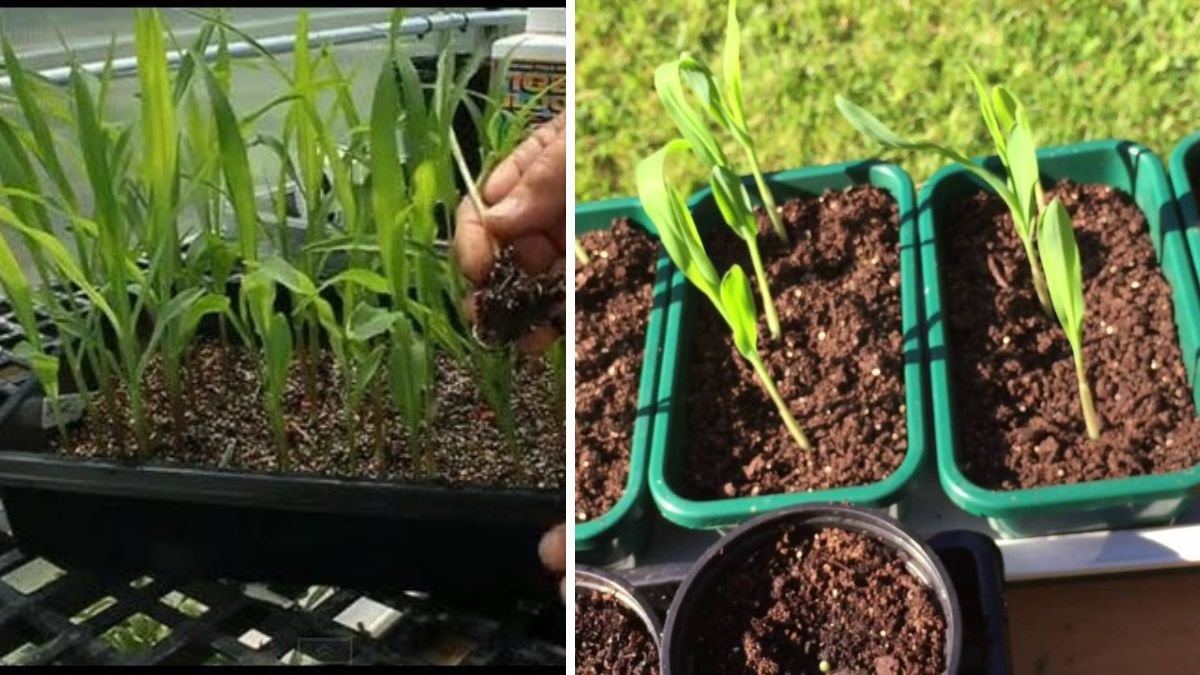
Sprouts — tiny, nutrient-dense shoots emerging from germinating seeds — are one of the most powerful natural foods you can grow at home. While mung beans, alfalfa, and broccoli sprouts are commonly known, corn sprouts are gaining attention for their unique nutritional benefits and potential applications in enhancing drinking water. Many health enthusiasts are exploring how fresh sprouts can be infused or incorporated into water to add subtle nutrients and flavor.
Growing corn sprouts at home ensures you have fresh, safe, and chemical-free sprouts without worrying about the hygiene or freshness of store-bought options. Home sprouting gives you control over seed selection, water quality, and overall preparation — which is especially important if your goal is to enhance water for daily consumption. Corn sprouts are rich in vitamins A, C, K, minerals like iron and magnesium, plant-based protein, and antioxidants, which can support immunity, digestion, and overall wellness. (Times of India)
Recent lifestyle trends indicate a growing interest in home-grown microgreens and sprouts, driven by the desire for nutrient-dense foods, self-sufficiency, and wellness-oriented diets. This article explores the latest methods, safety practices, and benefits of growing corn sprouts at home to make healthy drinking water.
Why Grow Corn Sprouts at Home?
Home sprouting has multiple advantages:
- Ensures Safety and Hygiene: Store-bought sprouts can carry contamination if mishandled. Growing at home allows complete control over water and container cleanliness. (Times of India)
- Boosts Nutrition: Sprouts often have higher concentrations of vitamins, minerals, and enzymes compared to unsprouted seeds. (Food NDTV)
- Cost-effective: Growing corn sprouts at home is inexpensive, requiring only seeds, water, and a simple container.
- Supports Hydration Habits: Infusing water with sprouts can encourage increased water intake while providing subtle flavor and nutrient support.
- Requires Minimal Space: Sprouts can be grown on countertops, balconies, or in small apartments, making them accessible to nearly everyone.
By growing your own corn sprouts, you gain a fresh, versatile food source that can be used in water infusions, smoothies, or salads, combining convenience with health.
Supplies You’ll Need
To successfully grow corn sprouts at home, gather the following items:
- Corn seeds suitable for sprouting (preferably organic or food-grade)
- Potable water (filtered or boiled and cooled)
- A sprouting jar or container
- Breathable lid (cheesecloth secured with a rubber band works well)
- Clean countertop space away from raw foods and contaminants
Safety Note: Only use drinkable water for sprouting, especially if the sprouts will be used to enhance drinking water. Avoid aquarium or untreated water, as they can introduce harmful bacteria. (UC ANR)
Step-by-Step Guide to Growing Corn Sprouts at Home
Step 1: Soak the Seeds
Place your corn seeds in a clean jar and cover them with fresh water. Let the seeds soak for 8–12 hours, which initiates hydration and kick-starts the germination process.
Soaking softens the seed coat, making it easier for sprouts to emerge. This initial step also helps to activate enzymes that enhance nutrient availability.
Step 2: Rinse and Drain
After soaking, drain the water through a mesh lid or cheesecloth. Rinse the seeds thoroughly with fresh water and drain again. Proper draining prevents standing water, which can lead to mold or bacterial growth. (Harris Seeds)
Step 3: Repeat Rinsing Cycles
Continue rinsing and draining the corn seeds 2–3 times per day with clean water. Maintain airflow around the jar and avoid overcrowding. This process is crucial for keeping sprouts healthy and free from harmful microbes. (Amazing Food & Drink)
Step 4: Monitor Sprout Growth
Within 3–5 days, tiny shoots should begin to emerge. Keep the sprouts out of direct sunlight; indirect light encourages even growth. Depending on your preference, sprouts can be harvested once they reach 1–2 inches in length.
Healthy sprouts are crisp, fresh, and slightly sweet in flavor. Their delicate texture makes them perfect for infusing water or adding to meals.
Step 5: Clean and Store
After reaching the desired size, give the sprouts a final rinse and transfer them to a clean, dry container. Store in the refrigerator for up to 7 days for maximum freshness and nutritional value. (Harris Seeds)
Using Corn Sprouts to Enhance Drinking Water
While scientific research specifically on corn sprouts in drinking water is limited, sprout water infusions are widely used for flavor enhancement and nutrient support:
- Adds gentle flavor – making plain water more enjoyable.
- Infuses plant-based compounds – including antioxidants and vitamins.
- Encourages hydration – a subtle, natural flavor can promote increased daily water intake.
If you want to create sprout water, simply place a handful of rinsed corn sprouts in a pitcher of filtered water and allow it to sit for 30–60 minutes. Drink chilled for a refreshing, nutrient-enhanced beverage. (Times of India)
Important: Always use potable water and clean containers to minimize the risk of bacterial contamination. Proper hygiene is key to safe sprout water preparation. (UC ANR)
Benefits of Corn Sprouts
Corn sprouts provide multiple health benefits when consumed regularly:
- Rich in Nutrients: Vitamins A, C, K, minerals like iron and magnesium, and plant-based protein. (Times of India)
- Digestive Support: Contain fiber and enzymes that improve digestion. (Food NDTV)
- Easy and Sustainable: Growing sprouts at home reduces dependency on store-bought produce and ensures chemical-free nutrition.
- Encourages Healthy Hydration: Can be used creatively in infused water for a subtle nutrient boost.
Precautions When Growing Sprouts
- Bacterial Contamination: Raw sprouts can carry E. coli or Salmonella if hygiene is poor.
- Rinsing is Essential: Proper rinsing and drainage prevent spoilage.
- Vulnerable Groups: Elderly individuals, young children, pregnant women, and immunocompromised people should consult a healthcare provider before frequent raw sprout consumption. (UC ANR)
Following proper hygiene and safe sprouting practices ensures your corn sprouts remain fresh and nutritious.
Authoritative Sources for Reference
- Harris Seeds – How To Grow Sprouts at Home
Practical step-by-step guidance for beginners and experienced sprouters. (Harris Seeds) - Times of India – Sprouts Benefits & Safe Consumption
Insights on nutritional benefits and hygiene tips. (Times of India) - UC ANR – Sprouting Safety Practices
Expert advice on reducing foodborne illness risks. (UC ANR) - Food NDTV – Health Benefits of Sprouts
Overview of nutrition and home sprouting tips. (Food NDTV)
Conclusion
Growing corn sprouts at home is a simple, cost-effective, and highly rewarding practice. With proper seed selection, clean water, and careful hygiene, you can produce fresh, nutrient-rich sprouts in just a few days. While the research on corn sprouts specifically for drinking water is limited, home sprouting encourages healthier hydration habits and can add mild flavor and subtle nutrients to water.
By following this step-by-step guide, you can enjoy home-grown corn sprouts for salads, smoothies, or sprout-infused water, all while embracing a natural and sustainable approach to healthy living. Start your sprouting journey today and experience the joy of fresh, living foods right from your kitchen