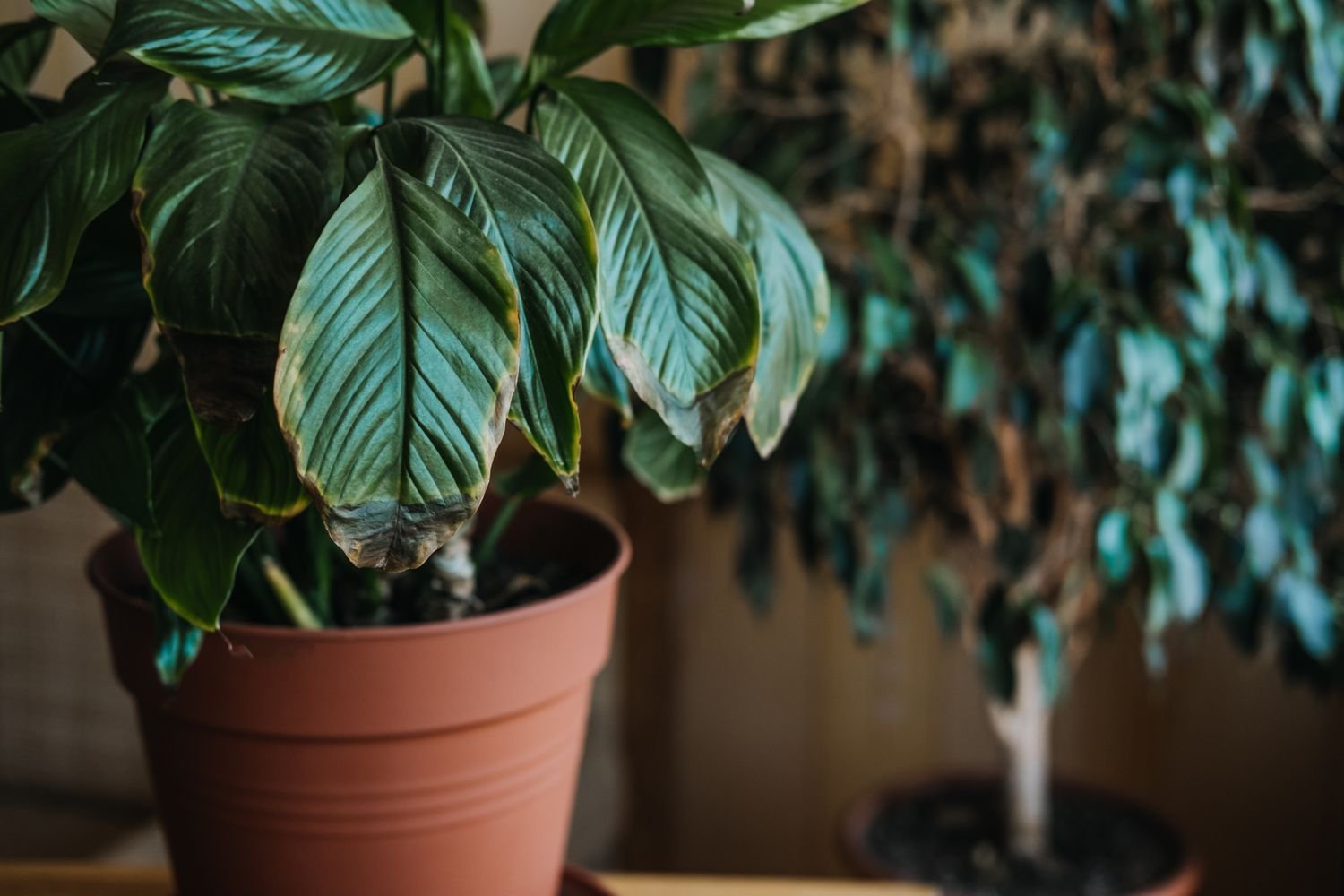
We’ve all been there. Life gets busy, a trip runs long, or a watering schedule slips your mind—and suddenly your once-healthy houseplants are drooping, dry, or seemingly lifeless. Forgetting to water your plants can feel like a death sentence, but plant experts agree: most houseplants are far more resilient than they look.
In many cases, a neglected plant can be revived with the right approach and a bit of patience. The key is knowing how to rehydrate your plant safely without causing further stress or root damage.
Here’s what experts recommend when reviving houseplants after they’ve gone too long without water—and how to help them fully recover.
First, Assess the Damage Before You Water
Before reaching for the watering can, take a moment to evaluate your plant’s condition. This step helps you avoid common mistakes that can worsen the problem.
Signs of Mild Dehydration
- Drooping or wilting leaves
- Dry soil pulling away from the pot
- Leaves losing their shine
- Slight curling at the edges
These plants usually recover quickly.
Signs of Severe Dehydration
- Crispy, brown leaves
- Soil that’s hard and compacted
- Brittle stems
- Significant leaf drop
Severely dehydrated plants need a gentler, more gradual recovery.
Expert insight: Water-stressed roots can be fragile. Flooding dry soil too quickly may cause roots to rot instead of recover.
Step 1: Rehydrate the Soil Properly
When soil dries out completely, it often becomes hydrophobic—meaning water runs straight through without being absorbed. Simply pouring water on top may not help.
Best Rehydration Method: Bottom Watering
Experts often recommend bottom watering for dry plants.
How to do it:
- Place the pot in a bowl or sink filled with a few inches of room-temperature water
- Let the plant sit for 30–60 minutes
- Allow the soil to absorb water through the drainage holes
- Remove and let excess water drain
This method evenly rehydrates soil without shocking the roots.
For Extremely Dry Plants
If soil remains hard after bottom watering:
- Gently loosen the top layer with a fork or chopstick
- Repeat bottom watering if necessary
Step 2: Trim Away Dead or Damaged Growth
Not all leaves can be saved—and that’s okay.
Why Pruning Helps Recovery
- Dead leaves drain energy from the plant
- Removing damaged growth encourages new growth
- Improves airflow and reduces disease risk
What to Remove
- Fully brown, crispy leaves
- Broken or hollow stems
Leave slightly wilted but green growth intact—it may recover.
Expert tip: Always use clean, sharp scissors or pruners.
Step 3: Increase Humidity Carefully
Dehydrated plants often benefit from improved humidity, especially tropical varieties.
Safe Ways to Boost Humidity
- Group plants together
- Use a pebble tray with water (without submerging the pot)
- Run a humidifier nearby
What to Avoid
- Heavy misting on severely stressed plants
- Wet leaves sitting overnight
Excess moisture on damaged tissue can lead to fungal problems.
Step 4: Move the Plant Out of Direct Sunlight
A stressed plant needs time to recover. Bright, direct sunlight increases moisture loss and can worsen dehydration.
Temporary Recovery Placement
- Bright, indirect light
- Stable temperatures
- Away from drafts and heat vents
Once the plant regains firmness and new growth appears, you can gradually move it back to its original location.
Step 5: Be Patient and Avoid Overcompensation
One of the biggest mistakes people make after forgetting to water is overwatering out of guilt.
Why Overwatering Is Dangerous After Drought
- Roots may be damaged and unable to absorb excess water
- Sudden saturation can lead to root rot
- Stressed plants need time to rebuild root function
Stick to normal watering intervals once soil moisture is restored.
Expert insight: Recovery can take days or even weeks, depending on plant type and severity of dehydration.
How Long Does It Take for Plants to Recover?
Recovery time depends on several factors:
- Plant species
- Length of dehydration
- Root health
- Environmental conditions
Typical Recovery Timeline
- 24–48 hours: Leaves begin to perk up (mild cases)
- 1–2 weeks: New growth appears
- Several weeks: Full recovery for severely stressed plants
If no improvement occurs after two weeks, the plant may have suffered irreversible root damage.
Special Care for Different Types of Houseplants
Tropical Plants (Monstera, Philodendron, Calathea)
- Respond well to bottom watering and humidity
- Avoid cold water
- Keep warm and shaded during recovery
Succulents and Cacti
- Do not water immediately if roots are damaged
- Wait until soil is completely dry, then water deeply
- Never mist
Ferns
- Require consistent moisture
- Increase humidity gradually
- Trim dry fronds carefully
When Repotting Is Necessary
In some cases, dehydration damages soil structure or roots beyond repair.
Consider Repotting If:
- Soil remains compacted after rehydration
- Roots appear shriveled or brittle
- Water drains too quickly
When repotting:
- Use fresh, appropriate soil
- Water lightly after a few days
- Avoid fertilizing immediately
Mistakes to Avoid When Reviving Plants
- Dumping large amounts of water all at once
- Fertilizing stressed plants
- Placing plants in full sun
- Ignoring root health
- Expecting instant results
How to Prevent Future Dry-Outs
Experts recommend these habits:
- Check soil moisture weekly
- Use reminder apps or calendars
- Group plants by watering needs
- Choose self-watering pots for thirsty plants
- Adjust watering based on seasons
Final Thoughts
Forgetting to water your houseplants doesn’t mean they’re doomed. With calm, careful intervention, many plants can recover fully—even after significant stress.
The key is to rehydrate slowly, reduce stress, and give the plant time to heal. Plants are remarkably resilient, and with expert-backed care, your neglected houseplant may surprise you with a strong comeback.