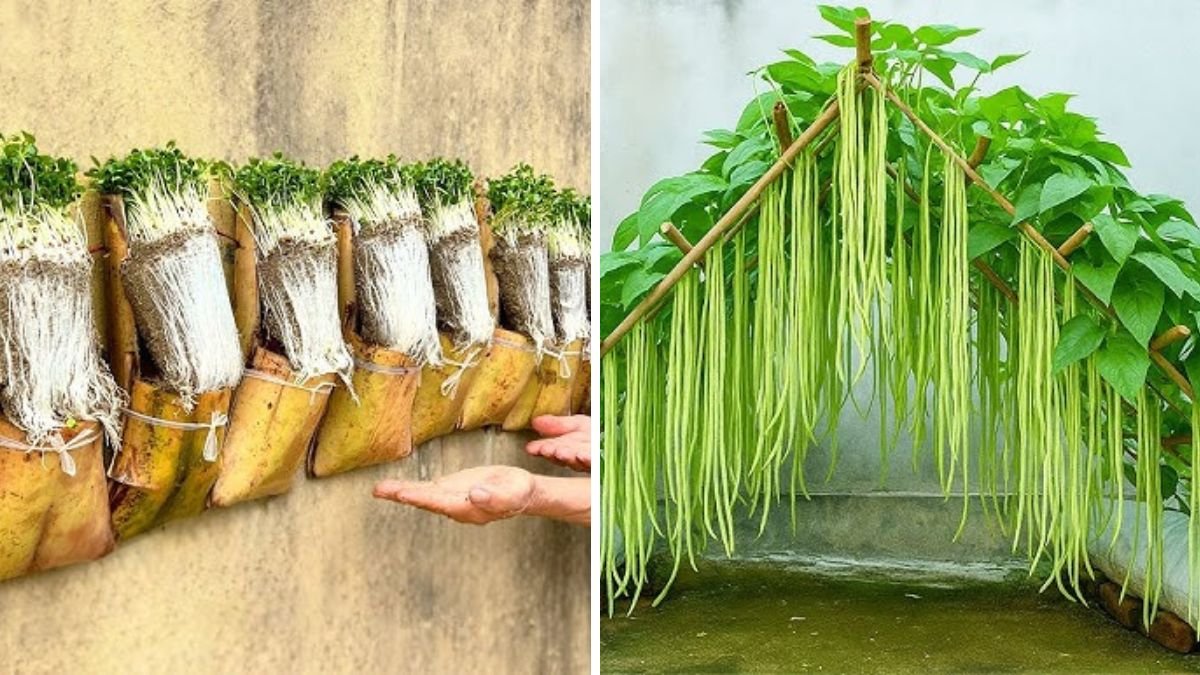
Green beans are a beloved vegetable for home gardeners. They’re easy to grow, nutritious, and versatile in the kitchen. But even experienced gardeners sometimes struggle with low yields, poor germination, or bitter pods. That’s why revisiting grandma’s green bean growing tips can be a game-changer. Traditional methods, honed over generations, combine simple, practical steps with keen observation and care. In this article, we’ll share the secrets behind 100% successful green bean harvests — from soil prep to harvesting techniques — all backed by modern gardening knowledge and timeless wisdom.
1. Start With Rich, Well-Prepared Soil
The foundation of a thriving green bean garden begins with soil. Grandma always emphasized the importance of fertile, well-drained soil, and science supports this approach. Green beans flourish in loose soil rich in organic matter, which helps roots grow deep and absorb nutrients efficiently.
Soil Prep Tips:
- Mix aged compost or manure into the soil before planting. This improves aeration, water retention, and nutrient content.
- Loosen the soil at least 12 inches deep to allow roots to expand freely.
- Some gardeners even add rice husks or crushed eggshells to enhance drainage and provide trace minerals.
Healthy soil is the secret behind strong seedlings, abundant flowers, and, ultimately, a bountiful harvest.
2. Timing Is Key
Green beans are warm-season crops and do not tolerate frost. Planting too early can lead to poor germination, stunted growth, and vulnerable seedlings. Grandma’s method stresses waiting until soil temperatures reach at least 55°F (12–15°C).
Succession Planting:
To enjoy fresh beans all season, consider sowing seeds every 2–3 weeks. This technique prevents the garden from producing all pods at once and ensures continuous harvests. Succession planting also reduces the impact of pests and diseases by staggering plant growth.
3. Choose the Right Spot With Plenty of Sun
Green beans thrive in full sunlight, which fuels photosynthesis and promotes vigorous growth. Aim for at least 6–8 hours of direct sunlight per day.
Whether growing in garden beds or containers, positioning plants in a sunny location enhances flower production and pod formation. Poor light conditions can lead to spindly vines and small, underdeveloped beans, even if other care practices are perfect.
4. Understand Bean Types: Bush vs. Pole
Green beans come in two main types:
- Bush Beans: Compact, self-supporting, and ideal for small gardens or containers. They mature faster and require minimal care.
- Pole Beans: Climbing varieties that grow along trellises, stakes, or strings. They produce over a longer period and often yield more pods per plant.
Knowing which type you’re growing helps you plan space, support structures, and harvesting schedules, ensuring optimal yields. Pole beans especially benefit from vertical support, which keeps vines off the ground and improves airflow.
5. Water Carefully But Consistently
Green beans need consistent moisture, especially during flowering and pod development. However, overwatering can lead to root rot and poor growth.
Watering Tips:
- Keep soil evenly moist, but avoid waterlogging.
- Use mulch around plants to retain moisture, regulate soil temperature, and suppress weeds.
- Water at the base of plants rather than from above to prevent fungal diseases.
Grandma’s advice of checking soil before watering — ensuring it’s dry an inch below the surface — remains an effective and easy practice for modern gardeners.
6. Feed Wisely – Don’t Overdo Nitrogen
Green beans are unique because they form a symbiotic relationship with nitrogen-fixing bacteria, which allows them to pull nitrogen from the air. This natural process reduces the need for heavy fertilization.
Over-fertilizing, particularly with nitrogen, can lead to lush foliage but fewer flowers and pods. A light amendment of compost before planting or a balanced, low-nitrogen fertilizer during early growth is sufficient. Focus on phosphorus and potassium to support flowering and pod development.
7. Support Pole Beans
For climbing varieties, vertical support is crucial. Grandma used trellises, stakes, or strings to guide pole beans upward. Vertical growth offers multiple benefits:
- Saves garden space
- Reduces disease risk by keeping vines off wet soil
- Makes harvesting easier
When beans start climbing, train vines gently along supports. Avoid overcrowding and ensure proper spacing to maintain airflow. Some gardeners even use netting or lightweight slings to support heavy pods and prevent breakage.
8. Pest and Disease Management
While green beans are hardy, they’re not immune to pests and diseases. Aphids, beetles, and fungal infections can damage plants and reduce yields. Grandma’s tips often included preventive measures:
- Encourage beneficial insects like ladybugs
- Use organic sprays, such as neem oil, when necessary
- Rotate crops yearly to prevent soil-borne diseases
Spacing plants properly, watering at the base, and removing old leaves further reduces the risk of disease, keeping your beans healthy throughout the season.
9. Harvest Frequently
Regular harvesting is essential for maximizing yield. Beans are most tender and flavorful when pods are firm but still young, typically around 3–4 inches long.
Harvesting Tips:
- Pick pods daily if possible
- Frequent harvesting encourages the plant to produce more flowers and pods
- Avoid leaving overripe beans on the plant, as this slows production
Consistent harvesting not only improves quantity but also ensures better-tasting beans.
10. Grandma’s Wisdom Still Works
The charm of grandma’s green bean tips is that they combine simplicity with attentiveness. By focusing on soil health, natural nutrition, timely planting, and careful harvesting, gardeners achieve results that are both reliable and rewarding.
Recent gardeners following these traditional techniques, documented in online tutorials and videos, consistently report higher germination rates, stronger plants, and bigger yields. Modern research confirms that these age-old practices align with the best scientific principles of sustainable gardening.
Authoritative Sources
For further guidance, consult these trusted resources:
- The Old Farmer’s Almanac – Green Bean Growing Guide: almanac.com
- University of Minnesota Extension – Growing Beans: extension.umn.edu
- Plantly – Bean Plant Care Tips: plantly.io
- Bob Vila – How to Grow Green Beans: bobvila.com
Final Thoughts
By combining grandma’s traditional methods with modern gardening knowledge, you can achieve 100% success in green bean cultivation. Prioritize fertile soil, warm planting conditions, sun exposure, proper watering, and regular harvesting. Whether growing bush or pole beans, these simple yet powerful techniques ensure a healthy, productive garden.
Following these steps, gardeners can enjoy lush vines, abundant pods, and the satisfaction of harvesting their own fresh green beans, season after season. Grandma’s wisdom remains timeless — proving that when it comes to gardening, experience and care often beat complexity.