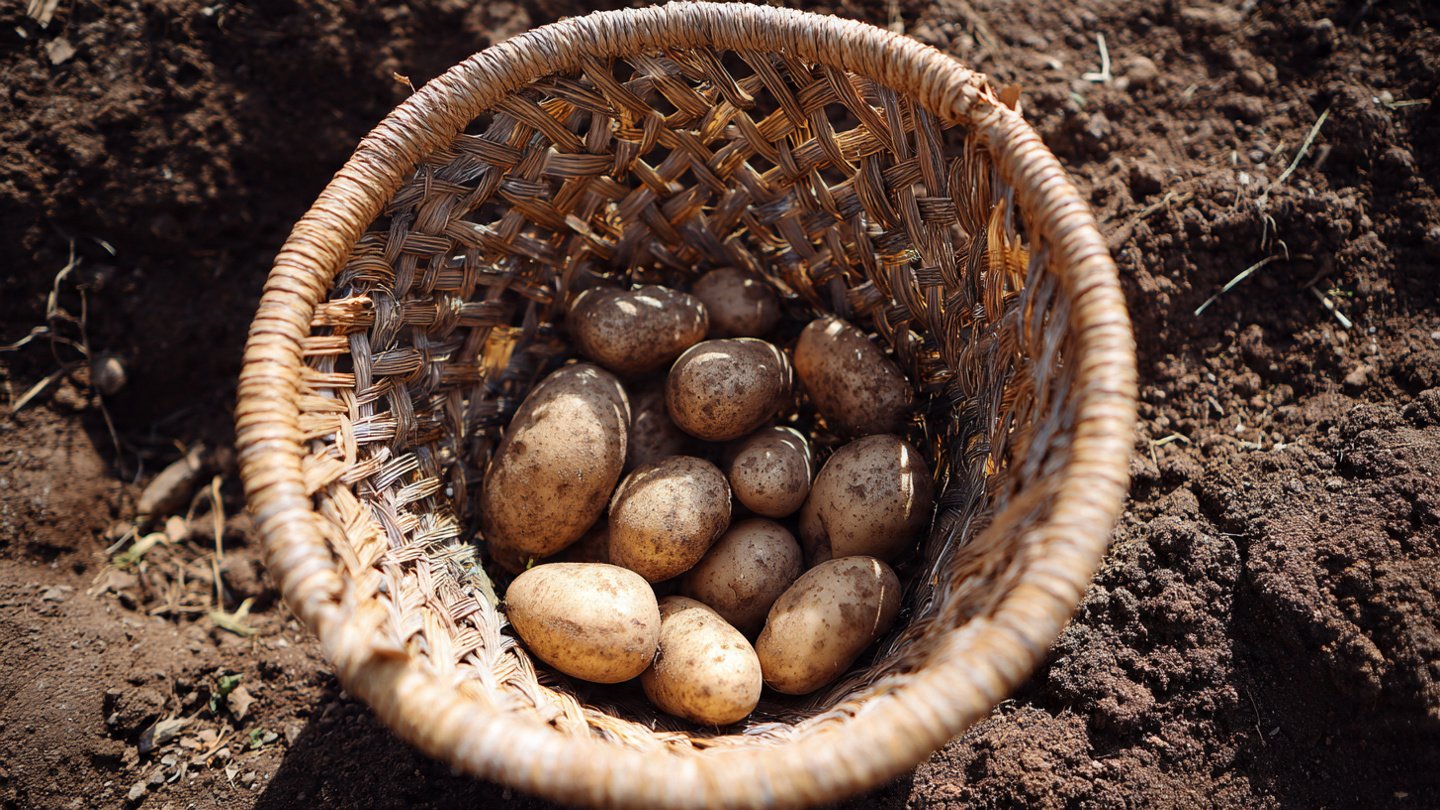
When it comes to gardening, innovation and creativity can often lead to surprising results. One such method that has gained popularity in recent years is planting potatoes in laundry baskets. But is this technique a legitimate gardening hack, or merely a myth? Let’s explore the concept, benefits, challenges, and real-world applications of using laundry baskets for potato cultivation.
Understanding the Basics of Potato Growing
Before diving into the specifics of this gardening method, it’s helpful to revisit the fundamental needs of potato plants. Potatoes (Solanum tuberosum) are versatile, nutrient-rich tubers that thrive in well-draining soil with good aeration. They require adequate space for tuber development and prefer a slightly acidic to neutral pH level (around 5.8 to 6.5).
Traditional Potato Growing
Traditionally, potatoes are grown in the ground. Gardeners will often hill soil around the developing plants to encourage larger yields and protect the tubers from sunlight, which can cause them to turn green and develop solanine, a toxic compound. While effective, traditional methods require specific soil conditions, ample space, and ongoing maintenance to fend off pests and diseases.
The Laundry Basket Method
The laundry basket method involves using a plastic laundry basket as a makeshift container for growing potatoes. The logic behind this technique is straightforward: the basket’s holes allow excess moisture to drain effectively, while the open structure ensures good aeration around the roots and tubers. Many gardeners are intrigued by the idea of using repurposed household items to cultivate food, making this technique appealing not just for its effectiveness but also for its environmental consciousness.
How to Use a Laundry Basket for Potatoes
If you’re interested in trying this innovative method, follow these simple steps:
Choose the Right Basket: Select a sturdy plastic laundry basket with ample drainage holes. Ensure it’s large enough to accommodate the number of potato plants you plan to grow.
Prepare the Soil: Use a good-quality potting mix or a combination of garden soil, compost, and peat moss. Make sure the soil is light and well-draining to promote healthy growth.
Planting the Seed Potatoes: Cut seed potatoes into pieces, each with at least one eye. Fill the bottom of the basket with a few inches of soil, then place the seed potatoes cut-side down. Cover them with another layer of soil.
Watering and Maintenance: Water the basket thoroughly, making sure the soil remains moist but not soggy. As the plants grow, add more soil to cover the stems; this technique encourages the production of more tubers.
Sunlight and Temperature: Place the basket in a location that receives full sun, ideally six to eight hours of direct sunlight daily. Potatoes prefer cooler temperatures, so aim for a range between 60°F to 70°F (15°C to 21°C).
Harvesting: Once the plants begin to die back—usually after 70 to 120 days depending on the variety—it’s time to harvest. Simply turn the basket upside down or gently tip it over to collect your fresh potatoes.
Is It a Hack or a Myth?
The Case for It Being a Hack
Space-Efficient: For urban gardeners or those with limited outdoor space, using a laundry basket can maximize yield in a smaller footprint. This makes it an attractive option for apartment dwellers or those using small patios.
Easy Monitoring: The visibility of potatoes growing in a basket allows gardeners to easily monitor for pests and diseases, making it easier to intervene if the need arises.
Drainage and Aeration: The laundry basket design naturally promotes good drainage and aeration, two critical factors in preventing rot and ensuring healthy root development.
Repurposing Materials: Utilizing household items like laundry baskets encourages sustainability and reduces waste. This eco-conscious approach is especially appealing in modern gardening.
Accessibility: Elevating potato growth can make harvesting easier, as they are more accessible than those grown in the ground.
The Case for It Being a Myth
Limited Root Space: While laundry baskets offer good drainage, they might not provide enough depth for certain potato varieties to develop a robust root system. This could result in smaller or fewer tubers.
Temperature Regulation: The plastic of a laundry basket can heat up quickly in sunlight, potentially stressing the plants. Traditional soil may provide more temperate conditions.
Watering Challenges: Although good drainage is essential, excessive drainage can lead to potatoes not receiving enough water. It may require more frequent watering than traditional ground planting.
Growth Limits: Larger potato varieties or those that require significant growing space might struggle due to the confined environment of a laundry basket.
Learning Curve: For novices, the technique may require experimentation to achieve desirable results, potentially leading to frustration and discouragement.
Real-world Applications and Success Stories
Many gardeners and bloggers have shared their experiences using laundry baskets to grow potatoes. Some report excellent yields and stress the ease of harvest. Others share tips to maximize success, such as ensuring consistent watering and choosing the right potato varieties that thrive in confined spaces.
Success Stories
Urban Gardeners: For many city dwellers, the laundry basket method has proved advantageous. The ease of moving the baskets to catch sunlight or relocating them in adverse weather conditions has provided many gardeners with a sustainable way to cultivate their own food amid concrete surroundings.
Educational Experiences: Schools and community gardens leveraging this technique can provide hands-on learning experiences for children. The clear visibility of growth encourages observation and can be part of a larger lesson on sustainability and ecology.
Adaptive Measures: Gardeners with mobility issues have found that the elevated nature of growing in laundry baskets reduces bending and strain, making gardening more accessible.
Conclusion: A Personal Choice
So, is planting potatoes in laundry baskets a gardening hack or a myth? The answer likely depends on the individual gardener’s circumstances, preferences, and experiences. For those living in tight urban spaces or seeking a sustainable alternative to traditional methods, it may very well be a useful hack. On the other hand, for those wanting to maximize yield from larger tuber varieties, it might present challenges that make traditional soil planting more beneficial.
As with all gardening advice, experimentation is key. What works well for one gardener may not work for another. If you’re curious about this method, why not try it for yourself? You might just discover a new love for planting potatoes in non-traditional ways.
In gardening, as in life, it’s often the imaginative solutions that yield the most rewarding experiences. Whether you view planting potatoes in laundry baskets as a clever gardening hack or a myth, it encourages conversation and exploration about sustainable gardening techniques. Happy gardening!