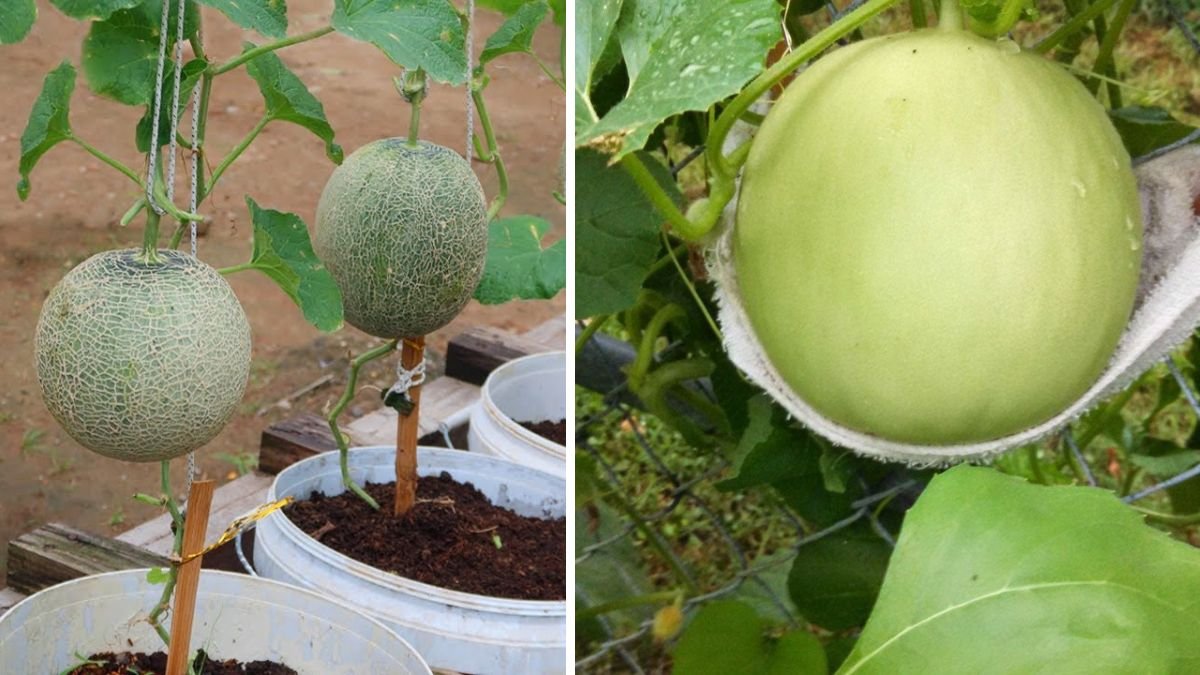
Why Melons Are the “Super Fruits” Anyone Can Grow
Melons are more than just a refreshing summer snack. They’re packed with vitamins, antioxidants, and natural sweetness, earning their reputation as “super fruits.” From watermelon to cantaloupe and honeydew, melons are rich in hydration, fiber, and nutrients that make them a favorite for health-conscious gardeners and food enthusiasts alike.
Traditionally, growing melons was considered tricky for beginners due to their specific temperature, space, and pollination needs. However, recent resources like the popular video “No Experience Needed, Growing Melons This Way Super Fruits, Why Didn’t I Know Sooner” highlight how even those without any gardening experience can successfully cultivate melons at home. With simple techniques and the right care, anyone can enjoy homegrown, juicy melons without feeling overwhelmed.
This guide provides beginner-friendly steps and expert-backed tips to help you grow melons that are sweet, plump, and ready to enjoy straight from your garden.
Understanding the Basics of Melon Cultivation
Before diving into planting, it’s important to understand the environmental needs of melons. These tender, sprawling plants thrive under specific conditions, but don’t worry — none of them are impossible for beginners.
Sunlight Is Essential
Melons are heat-loving plants that require 6–8 hours of full sunlight per day. Adequate sunlight encourages healthy vine growth, flower production, and sweeter fruits. In cooler climates, using a greenhouse, protective row covers, or starting seeds indoors can help meet their warmth requirements.
Soil Requirements
Melons prefer well-draining, loamy soil rich in organic matter. Compost or well-rotted manure improves soil fertility, while proper drainage prevents root rot — a common issue for beginner gardeners. Slightly sandy soil is ideal, as it warms quickly and allows the roots to establish rapidly.
Space Matters
These vines can spread widely, so they need room to grow. Crowding plants can reduce airflow, increase disease risk, and limit fruit production. Whether you’re growing melons in-ground, in raised beds, or in large containers, make sure each plant has adequate space to thrive.
No Experience Required
One of the most encouraging takeaways from beginner-focused resources is that you don’t need prior gardening experience. With careful attention to soil, sun, water, and support, even first-time gardeners can produce healthy, delicious melons. Following these guidelines ensures success from seed to harvest.
Step-by-Step Guide to Growing Melons for Beginners
Here’s a structured approach for beginners, using best practices shared by experts.
1. Choose the Right Variety
Start by selecting a variety suited to your climate and space:
- Watermelon: Requires long, warm growing seasons. Varieties like ‘Sugar Baby’ are ideal for small spaces.
- Cantaloupe (Muskmelon): Prefers full sun and moderate humidity.
- Honeydew: Thrives in warmer climates with consistent watering.
Choosing a variety that matches your region increases your chances of success.
2. Prepare the Soil
Healthy soil is the foundation for melon growth:
- Work the soil to a depth of at least 12 inches.
- Mix in compost or organic matter to enrich nutrients.
- Ensure soil drains well; melons do not tolerate soggy roots.
Raised beds or mounds can help improve drainage and warm the soil faster, especially in cooler regions.
3. Plant Seeds or Seedlings
- Direct sowing: Sow seeds outdoors once the soil has warmed to at least 70°F (21°C).
- Indoor starting: In cooler areas, start seeds indoors 2–4 weeks before the last frost date. Transplant seedlings carefully to avoid disturbing roots.
Plant seeds 1 inch deep and allow at least 2–3 feet between plants to accommodate sprawling vines.
4. Watering and Maintenance
Proper watering is crucial:
- Keep soil evenly moist, particularly during flowering and early fruiting.
- Avoid overwatering late in the season; too much water can dilute sweetness.
- Mulch around the base of plants to retain moisture and suppress weeds.
Consistent care during growth stages significantly improves fruit quality.
5. Support and Training
Melons naturally sprawl, but they can also be trained:
- Use trellises or cages to grow vertically if space is limited.
- For ground-growing melons, allow vines to spread naturally and use mulch to protect fruits from soil-borne diseases.
Supporting vines can reduce pest problems and make harvesting easier.
6. Pollination
Melon plants have male and female flowers, and pollination is required for fruit development:
- Encourage pollinators like bees and butterflies in your garden.
- For small spaces or indoor gardens, hand pollinate by transferring pollen from male flowers to female flowers using a small brush.
Proper pollination ensures more fruits and larger yields.
7. Harvesting Your Melons
Knowing when to harvest is key to enjoying peak sweetness:
- Cantaloupes & honeydews: The fruit should emit a sweet aroma and easily separate from the vine when ready.
- Watermelons: Look for a dried tendril near the fruit and a change in skin color on the underside.
Check fruits daily once they near maturity, as overripe melons can attract pests.
Expert Tips for Juicier and Sweeter Melons
- Maximize Sun Exposure: Melons ripen best under full sun, which boosts sugar content.
- Mulching: Use organic mulch or black plastic to retain soil moisture, suppress weeds, and maintain warmth.
- Water Wisely: Reduce watering as fruits ripen to prevent waterlogged soil and diluted sweetness.
- Regular Monitoring: Keep an eye out for pests or diseases early to avoid losing fruit.
Following these expert tips ensures melons reach their full flavor potential.
Common Beginner Challenges and Solutions
Even with simple guidance, beginners may encounter a few challenges:
- Poor germination: Ensure soil is warm enough and seeds are fresh.
- Vine crowding: Give each plant ample space to prevent disease.
- Insufficient pollination: Introduce pollinators or hand-pollinate flowers.
- Overwatering: Monitor soil moisture carefully to avoid root rot and diluted fruit.
With attention and persistence, these challenges are easily managed.
Authoritative Sources for Further Learning
To build more advanced knowledge and access detailed growing guides, explore these resources:
- Royal Horticultural Society (RHS) – Melon Growing Guide
rhs.org.uk - Old Farmer’s Almanac – Watermelon Planting & Care
almanac.com - Michigan State University Extension – How to Grow Melons
canr.msu.edu - Plantura – Planting Watermelons Guide
plantura.garden
These sources provide scientific and practical insights for both beginner and experienced gardeners.
Conclusion
Growing melons at home is no longer an intimidating task. With the right sunlight, soil, water, and care, even beginners can cultivate juicy, nutrient-rich melons that rival store-bought varieties. The key takeaway from expert guidance and beginner-focused tutorials is simple: no prior experience is required. All you need is a little patience, consistent care, and a sunny spot in your garden.
Whether you’re growing melons for fun, health, or the joy of harvesting your own super fruits, this guide equips you with everything needed to succeed. Start today, and in a few months, you’ll be enjoying sweet, homegrown melons straight from your garden — proof that anyone can become a melon-growing pro.