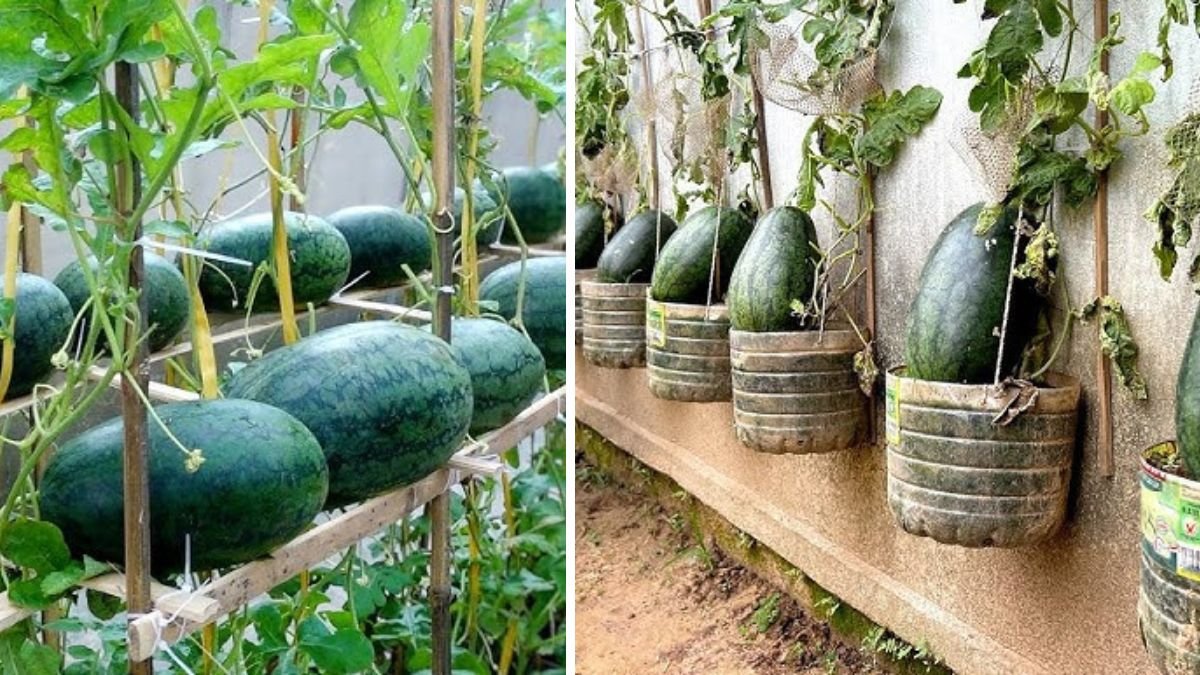
Watermelons (Citrullus lanatus) are one of the most beloved summer fruits. Their sweet, juicy flesh brings joy to picnics, family gatherings, and everyday meals. Traditionally, growing watermelons required sprawling vines, plenty of sunlight, and lots of outdoor space—conditions not every household has. However, recent urban gardening innovations are making it possible to grow watermelon without a traditional garden. Thanks to container gardening, hydroponics, and creative DIY methods, families can now enjoy fresh, homegrown watermelon—even in apartments or small yards.
In this guide, we’ll explore everything you need to know to start growing watermelons using minimal tools, no large garden, and maximum success.
Why Growing Watermelon Without a Garden is Possible
Watermelon plants are surprisingly adaptable when given the right conditions. The secret to success is providing adequate sunlight, proper support for vines, and sufficient nutrients. Modern gardening techniques allow you to achieve all of this without traditional farmland. Some of the most effective approaches include:
- Container Gardening
- Hydroponics and Vertical Systems
- DIY Bottle and Small-Space Methods
These methods are practical for urban dwellers and families who want to provide fresh fruit at home, regardless of space limitations.
1. Container Watermelon Growing
Container gardening is one of the easiest ways to grow watermelon if you don’t have a garden. By using large pots, food-safe buckets, or barrels, you can replace a traditional plot. Containers allow you to control soil quality, drainage, and sunlight exposure.
Steps for Container Watermelon Growing:
- Choose the Right Container: Watermelon roots need space. Use containers at least 50 cm wide and 40 cm deep. Ensure the container has good drainage to prevent root rot.
- Select Quality Soil: Use nutrient-rich, well-draining soil. A mix of garden soil, compost, and sand works well.
- Provide Sunlight: Watermelon thrives in full sun. Place your container in a location that gets 6–8 hours of sunlight daily.
- Train the Vines: Watermelon vines grow long and sprawling. Support them on a trellis or frame to save space and reduce disease risk.
- Regular Care: Keep soil consistently moist but not waterlogged. Fertilize with balanced organic fertilizers for best growth.
Container watermelon growing is ideal for patios, balconies, and small yards. With careful care, you can harvest juicy fruits large enough to feed your family. (House Digest)
2. Hydroponic & Wall-Mounted Systems
For those with limited floor space, hydroponics and vertical gardening are game changers. Hydroponics allows you to grow watermelon without soil, using nutrient-rich water to feed the plants directly. Wall-mounted systems save space and are surprisingly efficient.
Benefits of Hydroponic Watermelon Gardening:
- No Soil Needed: Plants grow in water enriched with essential nutrients, reducing soil-borne diseases.
- Minimal Watering: Closed hydroponic systems recycle water, making them eco-friendly and low-maintenance.
- Vertical Growth: Using trellises or wall-mounted supports allows vines to grow upward, saving floor space and improving air circulation.
- Faster Growth: Direct nutrient delivery often accelerates fruit maturation.
These systems are perfect for urban dwellers or anyone with limited outdoor space. They might require an initial investment in equipment, but the results are rewarding and scalable. (Arcadia Market)
3. DIY Bottle & Small-Tool Methods
For families on a budget, DIY methods using recycled containers can also be surprisingly effective. You can grow watermelon in large plastic bottles, buckets, or even wooden crates. The principle is the same: provide space for roots, good soil, and sunlight.
DIY Watermelon Growing Tips:
- Cut large bottles in half, fill them with nutrient-rich soil, and plant seeds.
- Ensure proper drainage by poking holes at the bottom of the bottles.
- Place bottles in sunny locations and water consistently.
- Train vines upward if space is limited, using strings or small trellises.
These creative approaches are not only low-cost but also educational for children. It’s a fun way to teach kids about gardening while producing fresh, healthy fruit. (YouTube DIY Gardening Tutorials)
Choosing the Right Watermelon Variety
Not all watermelons are suitable for small spaces. Choosing the right variety significantly affects your success. Look for:
- Bush Varieties: Compact plants that don’t sprawl excessively.
- Mini or Small Watermelons: Ideal for container or hydroponic growth.
- Fast-Maturing Varieties: Watermelons that ripen quickly allow multiple harvests in a season.
Selecting these varieties ensures that your limited space produces a meaningful harvest for your family. (AgriFarming)
Tips for Successful Watermelon Growth
Even in small spaces, following these tips can dramatically improve your harvest:
- Sunlight Matters: Place your watermelon plants where they receive at least 6–8 hours of sunlight per day.
- Soil & Nutrients: Use high-quality soil or nutrient solutions. Watermelons are heavy feeders; supplement with organic fertilizer regularly.
- Proper Watering: Keep soil or hydroponic medium consistently moist but avoid overwatering. Overly wet roots can lead to rot.
- Support Vines: Use trellises or vertical supports to maximize space and improve airflow.
- Pollination: If growing indoors, consider hand-pollinating flowers using a small brush or cotton swab to encourage fruit development.
By combining careful care with innovative techniques, even households without traditional garden space can successfully grow watermelon.
Benefits of Homegrown Watermelon
Growing your own watermelon at home, even without a garden, has numerous advantages:
- Freshness & Flavor: Homegrown watermelons often taste sweeter and fresher than store-bought ones.
- Family Nutrition: Watermelons are rich in vitamins A, C, and antioxidants—perfect for family health.
- Educational & Fun: Gardening teaches children about responsibility, nutrition, and plant biology.
- Sustainable: Growing your own fruit reduces reliance on commercial agriculture and packaging waste.
Authoritative Sources for Reference
To enhance your knowledge and explore further, these sources provide detailed, credible guidance:
- Old Farmer’s Almanac – Watermelon Growing Basics: Expert tips on seasonal planting, soil preparation, and maintenance. (almanac.com)
- House Digest – Container Gardening Watermelon: Strategies for growing melons in pots and small spaces. (housedigest.com)
- Arcadia Market – Hydroponic Systems: Innovative vertical and soil-free setups for urban gardeners. (arcadiamarket.org)
- AgriFarming – Growing in Pots: Practical guidance for selecting varieties and container planting. (agrifarming.in)
Final Thoughts
You no longer need acres of land to enjoy homegrown watermelon. With the right combination of containers, hydroponics, or creative DIY solutions, even families in apartments or small spaces can harvest fresh, juicy fruits. Selecting compact varieties, providing sufficient sunlight, and supporting vines are the keys to success.
Whether you want to grow watermelon on a balcony, patio, or using recycled bottles, the joy of picking your own fruit is achievable for everyone. Start small, follow the steps outlined above, and your family can enjoy fresh, delicious watermelons—without the need for a traditional garden. 🍉🌱
Growing watermelon without a garden is not just possible; it’s practical, fun, and rewarding. The techniques are simple enough for beginners yet versatile enough to produce impressive results for experienced urban gardeners.