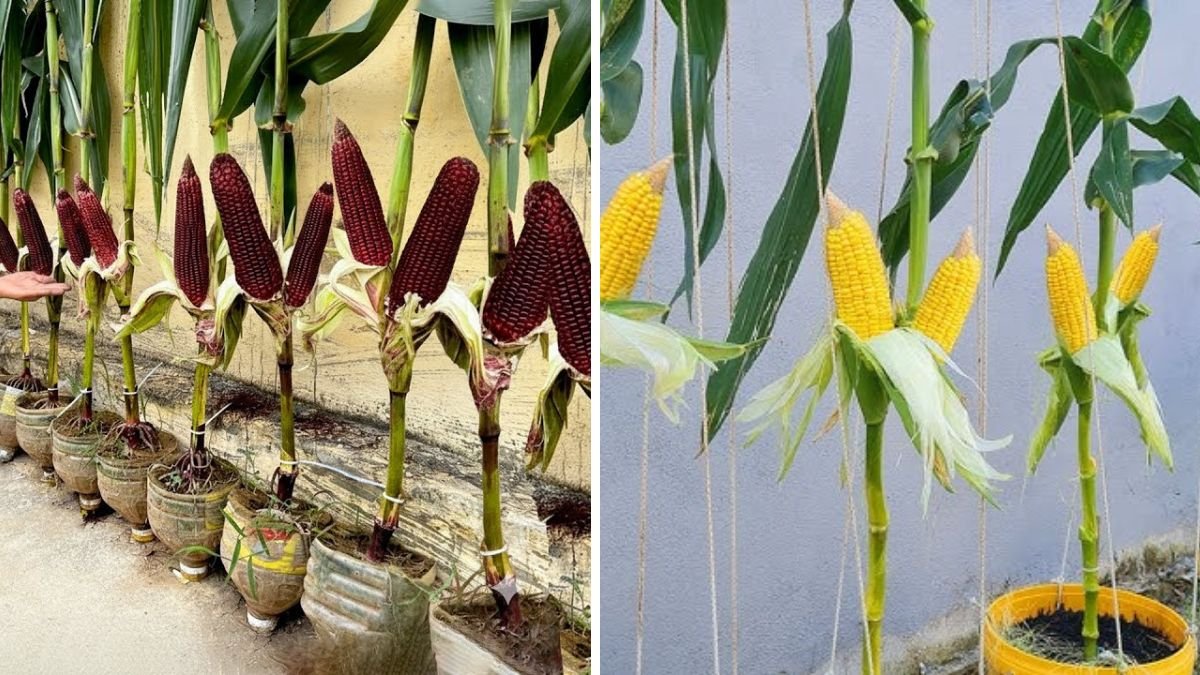
Corn is one of the most popular and versatile crops grown worldwide. While many think of corn as a field crop suited only for large-scale farms, recent gardening trends show that home gardeners can achieve super high-yield corn harvests with the right methods. By optimizing soil, spacing, watering, fertilization, and pollination, even small backyard gardens can produce a bountiful crop. In this article, we’ll explore proven strategies for planting super high-yield corn at home in an easy, manageable way.
Why Growing High-Yield Corn at Home Matters
The concept of home gardening has evolved dramatically over the past decade. Beyond ornamental plants and vegetables, home gardeners now aim to grow staple crops that provide fresh, nutritious, and cost-effective food. Corn, a staple for many diets, is nutrient-rich, delicious, and highly versatile in recipes.
Home-grown corn offers multiple advantages:
- Freshness and flavor: Corn harvested at its peak is sweeter and more flavorful than store-bought options.
- Cost-effectiveness: Producing your own corn saves money over time.
- Sustainability: Home production reduces reliance on commercial supply chains.
- Control over quality: Gardeners can avoid pesticides, GMOs, or unnecessary chemicals.
However, to achieve a super high-yield crop, it’s not enough to scatter seeds and hope for the best. Following specific methods and strategies can dramatically increase harvest output.
Step 1: Choose the Right Corn Variety
Selecting the proper corn variety is the first and most critical step for a high-yield harvest. Different corn varieties are designed for different purposes: sweet corn for fresh eating, popcorn for snacks, and field corn for storage.
For home gardening, hybrid varieties are recommended because they benefit from heterosis, a genetic phenomenon where the offspring show stronger growth, increased resilience, and higher yields than parent plants. Some high-yield hybrid sweet corn varieties include:
- Silver Queen
- Bodacious
- Ambrosia
Pro Tip: Planting multiple varieties in blocks instead of single rows enhances natural pollination, as corn relies on wind to transfer pollen from tassels to silks. (University of Minnesota Extension)
Step 2: Prepare Soil for Maximum Growth
Corn is a heavy feeder, which means it demands nutrient-rich soil to thrive. Preparing your soil properly lays the foundation for a high-yield harvest.
Key Soil Preparation Steps:
- Test soil pH: Ideal pH for corn ranges between 6.0 and 6.8.
- Add organic matter: Compost or aged manure improves soil fertility and structure.
- Ensure proper drainage: Corn roots do not tolerate waterlogging, so well-draining soil is essential.
- Side-dress nutrients: Applying nitrogen when plants are knee-high supports strong stalks and ear development.
Healthy, fertile soil not only supports vigorous growth but also reduces disease risk and improves resilience against pests. (Farmonaut)
Step 3: Optimal Planting and Spacing
Planting method and spacing are crucial for maximizing yield. Corn needs plenty of sunlight, airflow, and space to develop full ears.
Recommended Planting Guidelines:
- Seed depth: 1–2 inches deep
- Plant spacing: 12–18 inches between plants
- Row spacing: 24–36 inches apart
Corn should ideally be planted in blocks rather than long single rows. This encourages better pollination, ensuring that more silks receive pollen from nearby tassels. (IFAS Gardening Solutions)
Pro Tip: Planting corn in small mounds, also known as the “hill method,” allows multiple seeds to grow closely together, improving pollination and increasing the chance of multiple ears per stalk. (Our Stoney Acres)
Step 4: Watering and Irrigation
Consistent watering is essential for corn, particularly during tasseling and ear development stages. Corn roots require moisture to absorb nutrients and sustain rapid growth.
- Use drip irrigation to deliver water directly to the root zone while minimizing waste.
- Water deeply but infrequently to encourage strong root systems.
- Avoid overhead watering late in the day to reduce fungal disease risk. (Netafim Asia)
Maintaining steady soil moisture ensures even kernel development and reduces the risk of blank spots on ears.
Step 5: Nutrient Management
Corn is highly nutrient-demanding, particularly in nitrogen, phosphorus, and potassium. Balanced fertilization supports robust stalks, larger ears, and better grain development.
- Apply a balanced NPK fertilizer during planting.
- Side-dress with nitrogen when plants are about knee-high.
- Monitor soil and adjust nutrient application as necessary.
Proper nutrient management ensures the plants have enough energy to grow multiple ears with large, plump kernels. (Eco Farming Daily)
Step 6: Pollination Strategies
Corn is wind-pollinated, and successful pollination is key to high yields. Without sufficient pollen transfer, ears may develop poorly or produce blank kernels.
- Plant in blocks rather than long rows.
- Ensure each corn plant has at least two neighboring plants for pollination.
- Gently shake plants during peak tasseling to distribute pollen.
Proper pollination can significantly improve yield, even in small garden plots. (University of Minnesota Extension)
Step 7: Crop Rotation for Soil Health
Maintaining soil health is vital for consistent high yields over time. Rotate corn with legumes, leafy greens, or other vegetable crops to prevent nutrient depletion and reduce pest pressure.
- Corn consumes significant nitrogen, so following it with nitrogen-fixing plants like beans or peas restores soil fertility.
- Rotate with root crops or leafy vegetables to prevent soil-borne diseases. (HPJ)
Crop rotation not only enhances yield but also ensures your garden remains productive year after year.
Expert Insights and Proven Results
High-yield corn cultivation isn’t just theory — professional growers and experienced gardeners have achieved remarkable results with these methods. For example, top yield contest winners like David Hula and Alex Harrell highlight the importance of careful management, soil nutrition, and weather monitoring. Even home gardeners can apply these principles on a smaller scale to maximize productivity. (Agriculture.com)
Easy Corn Growing Methods for Home Gardeners
Two accessible methods help home gardeners grow corn efficiently:
- Hill Method: Plant 4–6 seeds per mound. This promotes natural pollination and allows multiple ears to develop per stalk.
- Block Planting: Corn planted in blocks rather than single rows ensures effective pollen transfer, reducing blank kernels and increasing overall yield.
Both methods are simple, require minimal tools, and fit well in backyard or raised-bed gardens.
Recommended Authoritative Sources
For gardeners seeking more in-depth guidance, these sources provide research-backed advice:
- University of Minnesota Extension – Growing Sweet Corn (link)
- Netafim Asia – Drip Irrigation for Corn (link)
- Eco Farming Daily – Nutrient Management for Corn (link)
- Iowa State Extension – Corn Row Spacing (link)
Final Thoughts
Growing super high-yield corn at home is entirely achievable with proper planning and care. From selecting the right variety and preparing fertile soil to spacing, watering, pollination, and nutrient management, each step contributes to maximizing your harvest. By implementing these methods, you can enjoy a homegrown corn harvest that rivals or exceeds store-bought quality, all while contributing to sustainable and cost-effective gardening practices.
Whether you have a backyard plot, raised beds, or containers, these strategies make planting high-yield corn at home both easy and rewarding. With dedication, observation, and timely care, you can enjoy fresh, flavorful corn and the satisfaction of a productive garden.