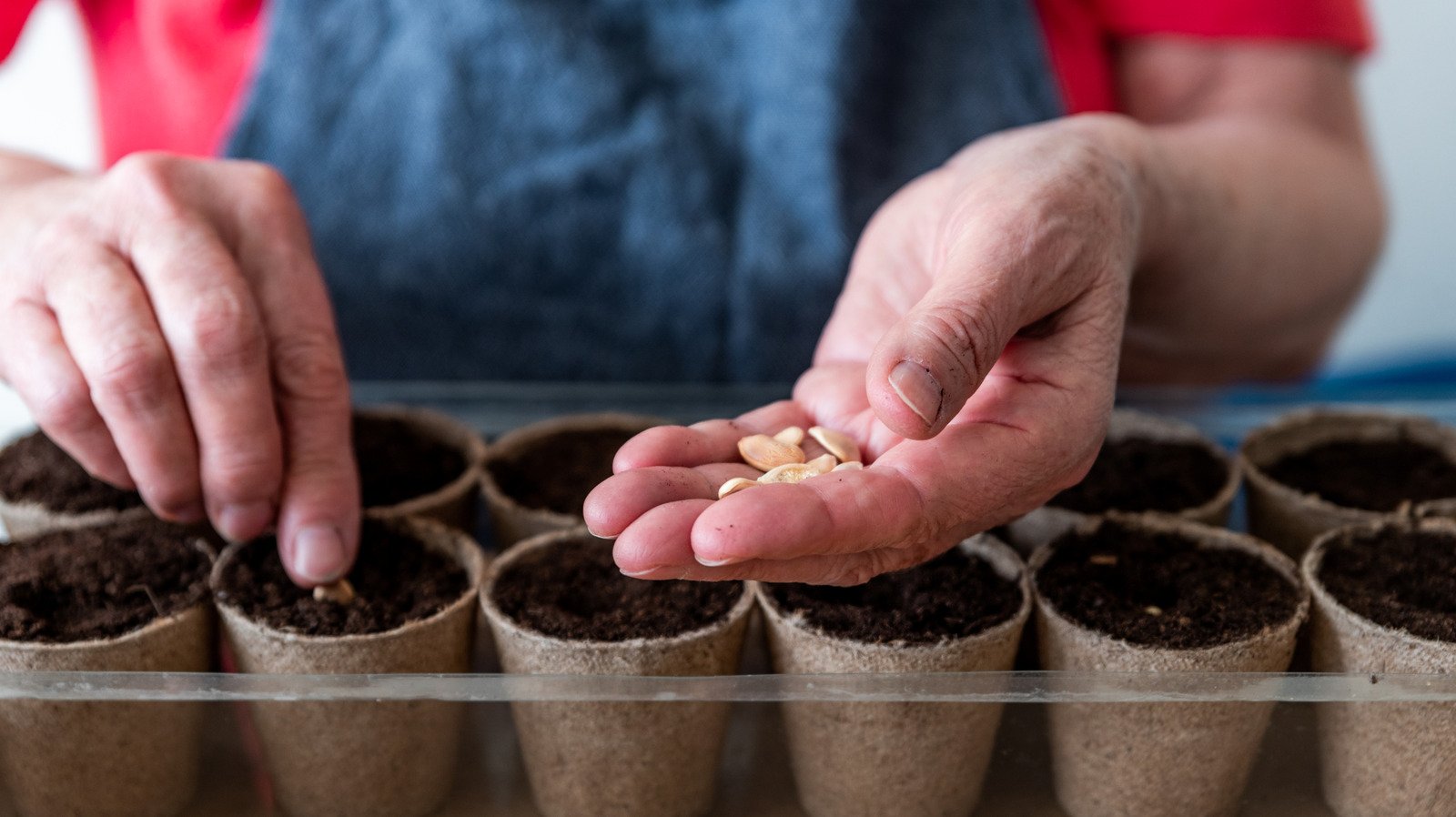
Even in the dead of winter, there’s still time to get a head start on your spring and summer garden. By planting certain vegetables before January ends, you can maximize your growing season, enjoy earlier harvests, and even improve plant vigor. These vegetables are hardy enough to thrive in cold conditions or indoors under grow lights, making them perfect for gardeners who want to hit the ground running once the warmer months arrive.
In this guide, we’ll explore 10 vegetables you should plant before January ends, along with tips for sowing, soil preparation, and care.
1. Lettuce
Lettuce is a fast-growing, cold-tolerant leafy green. Early sowing gives you a continuous supply for spring salads.
Tips:
- Plant indoors in trays or pots if your soil is frozen.
- Use light soil and plenty of sunlight or grow lights.
- Transplant seedlings outdoors once frost risk decreases.
Varieties like ‘Buttercrunch’ or ‘Romaine’ are ideal for early-season growth.
2. Spinach
Spinach thrives in cooler temperatures and germinates quickly, making it perfect for late winter planting.
Tips:
- Sow seeds directly into the soil if it’s workable or start in pots indoors.
- Keep the soil consistently moist but well-drained.
- Protect young seedlings with a row cover or cold frame for extra warmth.
Spinach provides early spring greens and is packed with nutrients.
3. Radishes
Radishes are among the fastest-growing vegetables, often ready to harvest in 3–4 weeks.
Tips:
- Sow directly in loose, well-draining soil.
- Thin seedlings to avoid overcrowding.
- Grow varieties like ‘Cherry Belle’ or ‘French Breakfast’ for quick results.
Their quick turnover makes radishes a rewarding first crop for the year.
4. Kale
Kale is hardy and frost-tolerant, often tasting sweeter after exposure to cold.
Tips:
- Start seeds indoors in January for transplanting outdoors in late winter or early spring.
- Use well-drained, nutrient-rich soil.
- Choose varieties like ‘Winterbor’ or ‘Lacinato’ for maximum cold resilience.
Kale’s robust nature makes it a staple for winter and early spring gardens.
5. Carrots
Carrots can be planted in late winter for an early spring harvest. The key is soil preparation.
Tips:
- Sow seeds in loose, deep soil free of stones to allow straight root development.
- Keep soil consistently moist until seedlings emerge.
- Plant varieties like ‘Nantes’ or ‘Danvers’ for early-season growth.
Thin seedlings as they grow to ensure healthy, well-formed roots.
6. Peas
Peas are cold-hardy and thrive in cool weather, making them ideal for late winter sowing.
Tips:
- Plant seeds directly outdoors 4–6 weeks before the last frost.
- Provide trellises or supports for climbing varieties like ‘Sugar Snap’ or ‘Snow Peas’.
- Water consistently and mulch lightly to retain moisture.
Early planting ensures an abundant spring harvest before the heat of summer arrives.
7. Onions
Onions can be started from sets, seedlings, or seeds in January to get a jump on the growing season.
Tips:
- Start indoors in small pots or trays under grow lights.
- Transplant outdoors once soil is workable.
- Choose cold-tolerant varieties such as ‘Walla Walla’ or ‘Yellow Sweet Spanish’.
Early-started onions develop larger bulbs and a longer harvest window.
8. Beets
Beets are hardy root vegetables that tolerate cool temperatures and can be planted directly in early soil.
Tips:
- Sow seeds in well-drained, fertile soil.
- Thin seedlings to avoid crowding.
- Choose early varieties like ‘Detroit Dark Red’ or ‘Early Wonder’.
Beets provide both roots and nutritious greens, doubling your harvest potential.
9. Broccoli
Broccoli thrives in cool weather and benefits from early planting for a head start on spring production.
Tips:
- Start seeds indoors in January under grow lights or a sunny window.
- Transplant outdoors 4–6 weeks later when seedlings are strong.
- Choose varieties like ‘Calabrese’ or ‘Green Magic’ for cold tolerance.
Early planting ensures longer harvesting time and better yield.
10. Swiss Chard
Swiss chard is another cold-hardy leafy green that can handle early-season planting.
Tips:
- Sow seeds directly into prepared garden soil or start indoors.
- Provide consistent moisture for germination.
- Varieties like ‘Bright Lights’ add color and vibrancy to early-season beds.
Swiss chard’s versatility and resilience make it an excellent choice for late winter gardeners.
General Tips for January Planting
To get the most from early-season planting, follow these expert tips:
- Use Containers or Indoor Seed Trays
- For regions with frozen soil, start seeds indoors in trays, pots, or grow boxes.
- Maintain Consistent Temperature
- Keep indoor seedlings in a warm, sunny location or under grow lights.
- Use Fertile, Well-Draining Soil
- Incorporate compost or organic matter to boost nutrient availability.
- Thin Seedlings Properly
- Avoid overcrowding by thinning seedlings once true leaves appear.
- Harden Off Before Transplanting
- Gradually introduce indoor-started seedlings to outdoor conditions over 1–2 weeks.
- Water Wisely
- Keep soil moist but avoid waterlogging, which can rot seeds or roots.
Why Early Planting Pays Off
Planting these vegetables before January ends gives your garden several advantages:
- Extended Growing Season: Early sowing ensures plants mature sooner, allowing for earlier and longer harvests.
- Better Plant Development: Cool-weather vegetables grow stronger when started early, producing robust plants and higher yields.
- Pest Avoidance: Early planting helps crops avoid peak insect and disease pressure later in the season.
- Continuous Harvest: Staggered planting of cold-hardy vegetables provides fresh produce from early spring onward.
Indoor Growing Options
If outdoor conditions are harsh, many of these vegetables thrive indoors under grow lights:
- Lettuce, spinach, and Swiss chard grow well in shallow containers near windows.
- Broccoli and onions can be started indoors and transplanted later.
- Use a combination of seed trays, pots, and shelves to maximize space.
Indoor sowing also allows gardeners to get a head start even in freezing climates.
Conclusion
Winter doesn’t have to mean a gardening hiatus. By planting these 10 cold-hardy vegetables before January ends, you set yourself up for a lush, productive spring garden. From leafy greens like spinach and Swiss chard to hearty root crops like carrots and beets, each selection thrives in early-season conditions and rewards careful planning with early, abundant harvests.
Whether you start seeds indoors under lights or sow directly into prepared soil, following the tips outlined here—fertile soil, proper spacing, consistent watering, and hardening off seedlings—will help ensure success.
Gardening early may feel like a small step, but it extends your growing season, strengthens your plants, and gives you fresh, homegrown produce when others are just beginning to plan. So grab your seed packets, prep your soil or trays, and start planting these vegetables before January slips away. Your future self—and your spring harvest—will thank you.