Introduction
Growing your own vegetables at home is increasingly popular, and one of the most sustainable and beginner-friendly methods is recycling wooden pallets. Pallets are widely available from shipping companies and often discarded, but with a little creativity, they can be transformed into raised garden beds, vertical planters, or tiered garden structures. This method not only saves money but also promotes eco-friendly practices, giving discarded materials a new purpose.
For beginners, pallet gardening is especially appealing because it’s low-cost, adaptable to small spaces, and relatively simple to set up. Urban balconies, terraces, and backyards can all host productive vegetable gardens with minimal investment. Across gardening communities, pallet gardens are celebrated for their flexibility and aesthetic appeal, allowing gardeners to grow a variety of vegetables and herbs efficiently. (oxfamliving.oxfam.org.au)
Why Choose Pallets for Gardening?
Recycling pallets for vegetable gardens comes with several advantages:
- Eco-friendly: Pallets are repurposed instead of ending up in landfills. (oxfamliving.oxfam.org.au)
- Budget-friendly: Many pallets are free or inexpensive to source. (gardengatemagazine.com)
- Space-efficient: Vertical or stacked pallet designs maximize limited spaces. (techbullion.com)
- Flexible designs: Pallets can become raised beds, vertical walls, tiered planters, or trellises. (timeforcreatives.com)
These features make pallet gardening particularly appealing for beginners, offering a low-risk, creative way to start vegetable gardening without expensive materials.
Beginner-Friendly Pallet Garden Ideas
Here are several easy DIY pallet garden projects suitable for home vegetable growing:
1. Simple Raised Pallet Garden Bed
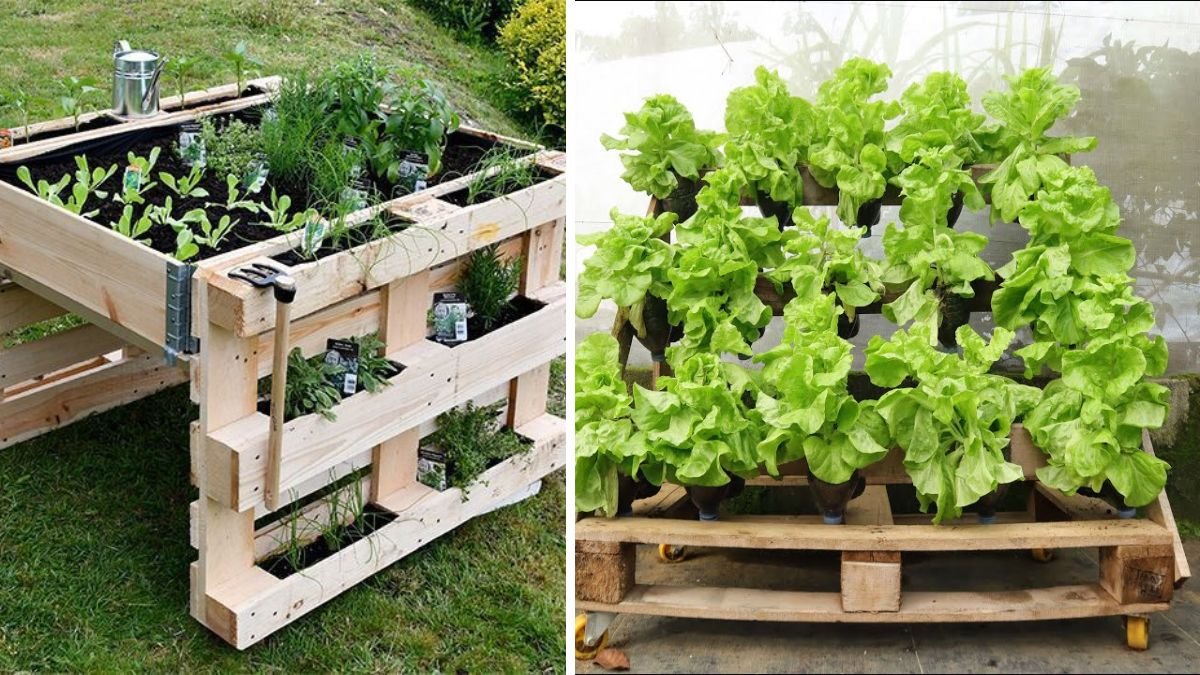
Raised beds made from pallets are one of the simplest ways to start gardening. Pallets can be arranged side by side, lined with landscape fabric to prevent soil from falling out, and filled with nutrient-rich compost. This setup is ideal for vegetables like lettuce, spinach, beans, and herbs.
Raised beds improve drainage, reduce weeds, and make gardening more accessible, especially for urban or balcony spaces. Beginners will find this approach straightforward because it requires minimal carpentry skills. (gardengatemagazine.com)
2. Vertical Pallet Garden
Vertical pallet gardens are perfect for those with limited horizontal space. They turn old pallets into living walls capable of growing herbs, leafy greens, and small vegetables.
How to create a vertical pallet garden:
- Stand the pallet upright against a wall or fence.
- Line the inside with landscape fabric or geotextile to hold soil.
- Fill the pockets or spaces between slats with potting soil.
- Plant leafy greens, herbs, or trailing vegetables such as cherry tomatoes or strawberries. (hearthandvine.com)
This design is visually appealing and highly functional, making your garden space productive while adding greenery to walls or fences. (techbullion.com)
3. Tiered or Stepped Pallet Planters
By stacking pallets in a staggered or tiered formation, you can create multi-level gardens that maximize growing space. Each level can host different vegetables according to their sunlight and water requirements.
For example:
- Top tiers for sun-loving greens like spinach or lettuce.
- Middle or lower tiers for shade-tolerant plants or root crops.
This approach optimizes light exposure and makes harvesting easier. (morflora.com)
4. Pallet Trellis for Climbing Vegetables
Pallets are excellent supports for climbing vegetables such as cucumbers, beans, and peas. Secure a pallet upright and attach twine, mesh, or string to guide the plants as they grow. Vertical climbing promotes better air circulation, saves space, and increases yield. (gardenseason.com)
Vegetables Suitable for Pallet Gardens
Pallet gardens work best with shallow-rooted or compact vegetables, including:
- Leafy greens: lettuce, spinach, kale
- Herbs: basil, mint, coriander
- Small fruiting vegetables: cherry tomatoes, peppers
- Root crops: radishes, carrots (in raised beds)
- Climbing crops: beans, peas (using trellis support) (timeforcreatives.com)
These plants thrive even in limited soil depth, making them ideal for beginners starting with pallet gardening. (bloomyheaven.com)
Tips for Pallet Gardening Success
Location and Sunlight
Choose a location with at least 4–6 hours of sunlight per day. Most vegetables require full sun for healthy growth. (gardengatemagazine.com)
Soil and Drainage
Use high-quality potting soil or garden compost. Line pallets with landscape fabric to hold soil while allowing excess water to drain. (hearthandvine.com)
Watering
Water consistently, especially during hot periods. Vertical pallet gardens may dry faster than ground beds, so check soil moisture often. (techbullion.com)
Safety Considerations
Not all pallets are safe for vegetable gardening. Look for heat-treated (HT) pallets rather than chemically treated pallets to avoid potential contaminants. (accessiblegardens.org)
Tools and Materials Needed
- Wooden pallets (heat-treated, untreated)
- Landscape or geotextile fabric
- Staple gun and staples
- Potting soil and compost
- Drill and screws (optional)
- Rope or brackets for vertical mounting (hearthandvine.com)
Authoritative Sources and Inspiration
For more guidance and inspiration:
- DIY Pallet Raised Garden Bed — step-by-step instructions for beginners. (gardengatemagazine.com)
- DIY Pallet Garden Projects for Small Spaces — vertical and raised pallet garden tutorials. (hearthandvine.com)
- Pallet Garden Ideas for Vegetables — creative, beginner-friendly designs. (bloomyheaven.com)
- 10 Tips for Using Pallets in the Garden — practical advice for maximizing pallet use. (techbullion.com)
- YouTube Tutorials — step-by-step visual guides to building pallet gardens. (youtube.com)
Conclusion
Recycling pallets to grow vegetables at home is sustainable, beginner-friendly, and highly rewarding. From raised beds to vertical gardens, pallets allow you to maximize space, reduce waste, and grow a variety of vegetables and herbs. By choosing the right plants, setting up a safe and sturdy pallet structure, and maintaining proper sunlight and watering, you can enjoy a productive home garden even in small urban spaces.
This DIY approach encourages creativity, sustainability, and a connection to the food you grow. Start with one pallet or a small vertical wall, and expand as your confidence grows. With minimal cost and effort, pallet gardening can transform your home into a thriving, eco-friendly vegetable oasis. 🌿✨