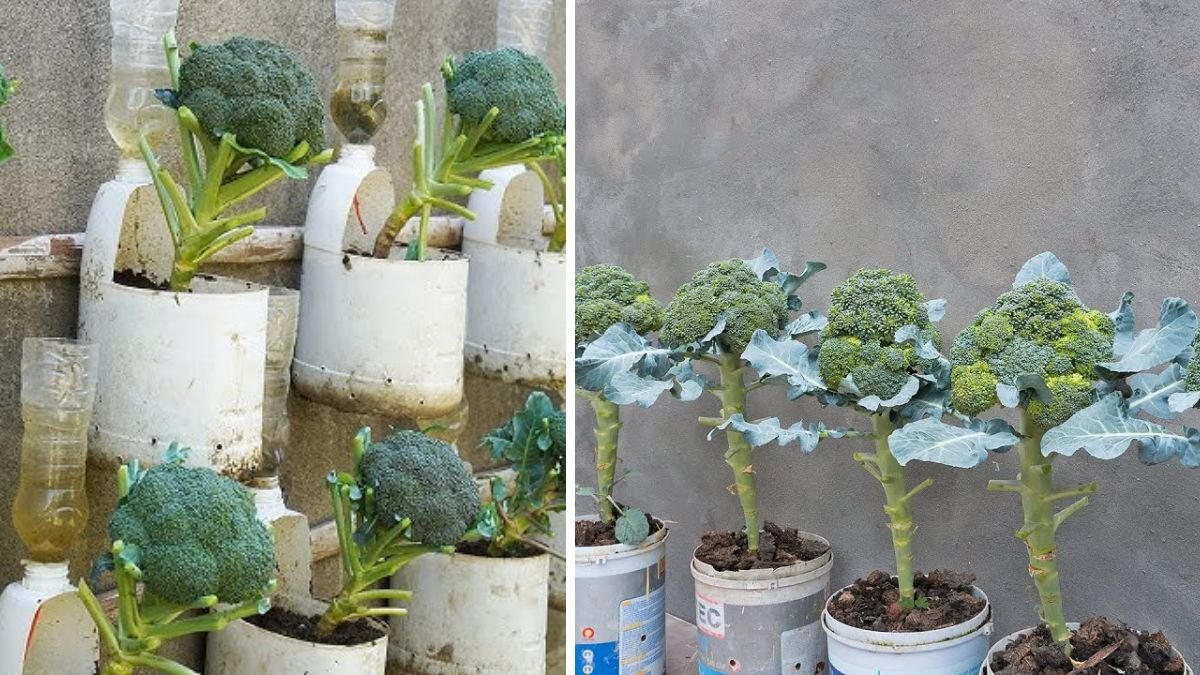
As more people adopt eco-conscious lifestyles, home gardening has evolved from a hobby into a meaningful, sustainable practice. One of the most practical and creative trends in 2026 is using recycled plastic containers to grow broccoli at home. This method not only reduces plastic waste but also empowers urban gardeners to grow nutritious food in limited spaces like balconies, terraces, or small backyards.
Recycling everyday plastic items—such as yogurt tubs, storage boxes, buckets, or old planters—into containers for vegetables is an innovative way to combine environmental responsibility with the joy of growing your own food. This article will explore why container gardening works, how to do it safely, practical growing techniques, and tips for maximizing yield from your recycled containers.
Why Grow Broccoli in Recycled Containers?
Repurposing plastic containers for broccoli gardening has several compelling advantages:
1. Waste Reduction
Plastic containers are one of the most common forms of waste. Reusing them as planters helps divert them from landfills, giving them a new life while contributing to a sustainable household practice. (The Better India)
2. Space Efficiency
Containers fit easily on balconies, windowsills, or patios. This is particularly valuable for urban dwellers who lack traditional garden space. (Wikipedia – Gardening in Restricted Spaces)
3. Cost-Effective Gardening
Recycling containers is cheaper than buying new pots, allowing gardeners to start growing vegetables without major upfront costs. (Idyl)
4. Customized Gardening
Containers come in a variety of shapes and sizes, making it easy to tailor your broccoli garden to the available space. You can experiment with tall containers, wide shallow trays, or even stackable boxes for vertical gardening.
By repurposing materials already at home, gardeners embrace eco-friendly practices while producing fresh, healthy vegetables.
Safety Considerations for Using Plastic Containers
While container gardening is sustainable, safety is important. Certain plastics, particularly those that previously stored chemicals, paints, or cleaning products, can leach harmful compounds into soil, which could affect edible plants.
Best practices include:
- Use food-grade plastics when possible, such as HDPE (#2) or polypropylene (#5). These are safer for growing vegetables. (Growing Food Indoors)
- Avoid containers that held chemicals, pesticides, or industrial products.
- Clean all containers thoroughly before planting.
- Consider lining containers with natural fabrics to create a barrier between soil and plastic.
Following these precautions allows you to safely grow broccoli without compromising health.
Choosing the Right Containers
Broccoli requires sufficient root space for healthy growth. Ideal containers should:
- Hold at least 5–10 gallons (20–40 liters) of soil. (PureHomeGardens)
- Have drainage holes at the bottom to prevent waterlogging.
- Be made from clean, intact plastic free of cracks or degradation.
Large food tubs, storage boxes, or old buckets can be repurposed easily. Stackable containers can also be used for vertical setups to save space and maximize yield.
Preparing the Soil
Broccoli prefers nutrient-rich, well-draining soil. A good mix includes:
- High-quality potting soil as a base
- Organic compost for nutrients and moisture retention
- Perlite or vermiculite to improve aeration and drainage (Meadowlark Journal)
Proper soil preparation ensures healthy root development and provides essential nutrients for producing robust broccoli heads.
Planting Broccoli
There are two common methods for growing broccoli in containers:
1. Starting from Seeds
- Sow seeds indoors 6–8 weeks before the last frost.
- Keep soil moist and maintain temperatures between 15–25°C (59–77°F) for germination.
- Transplant seedlings to containers once they have 3–4 true leaves. (Meadowlark Journal)
2. Using Nursery Seedlings
- Purchase seedlings from a local nursery.
- Plant them directly in prepared containers, spacing plants 12–18 inches apart for adequate airflow.
Ensure the roots are fully covered and the soil is firmly pressed around the base of the plant.
Watering and Moisture Management
Broccoli needs consistent moisture for optimal growth. Container soils tend to dry faster than in-ground gardens.
Tips for watering:
- Water deeply when the top inch of soil feels dry.
- Use mulch to reduce evaporation and keep soil cool. (UNH Extension)
- In hot climates, consider self-watering containers or drip irrigation to maintain consistent soil moisture.
Maintaining proper moisture is crucial for preventing stress, bolting, or poor head development.
Sunlight and Temperature
Broccoli thrives in full sun but prefers cooler conditions. Place containers where they receive at least 6 hours of sunlight per day, ideally morning sun with afternoon shade in hot climates. (PureHomeGardens)
Temperatures between 15–25°C (59–77°F) are optimal. In warmer climates, consider partial shading or morning/evening sun placement.
Fertilizing and Feeding
Container soils can quickly become depleted of nutrients. To keep broccoli healthy:
- Add a slow-release fertilizer at planting time.
- Apply liquid compost tea or balanced fertilizer every 2–3 weeks.
- Monitor leaves for signs of nutrient deficiency, such as yellowing or stunted growth. (PureHomeGardens)
Regular feeding ensures strong, flavorful broccoli heads and continuous side shoots after the main harvest.
Harvesting Broccoli
Broccoli is ready to harvest when the central head is firm, tight, and fully developed, usually 70–100 days after planting.
- Cut the central head with a sharp knife, leaving 3–4 inches of stem attached.
- Many broccoli varieties produce side shoots after the main head is harvested, giving additional harvests for weeks.
Proper harvesting ensures a longer productive life for container-grown broccoli.
Sustainable Gardening Trends
Home gardeners in 2026 are increasingly embracing:
- Recycling containers and household materials for gardening. (Ideal Home)
- Vertical and container gardening to maximize space in urban settings. (Times of India)
- Water-wise gardening using mulch, moisture-retentive soil, and self-watering systems.
These trends reflect both environmental awareness and the desire for fresh, healthy, homegrown vegetables.
Recommended Authoritative Sources
- The Better India – Recycled Container Gardening Tips
- PureHomeGardens – Broccoli in Containers Guide
- UNH Extension – Vegetable Container Gardening Fact Sheet
- Growing Food Indoors – Plastic Safety Guide
Final Thoughts
Recycling plastic containers to grow broccoli at home is both sustainable and practical. With careful container selection, safe practices, and proper care, anyone can cultivate fresh, nutritious broccoli even in limited space. This approach not only helps reduce plastic waste but also allows urban gardeners to enjoy the benefits of homegrown vegetables.
By combining eco-conscious practices with container gardening, you can create a productive, sustainable, and rewarding home garden that supports both your health and the environment.