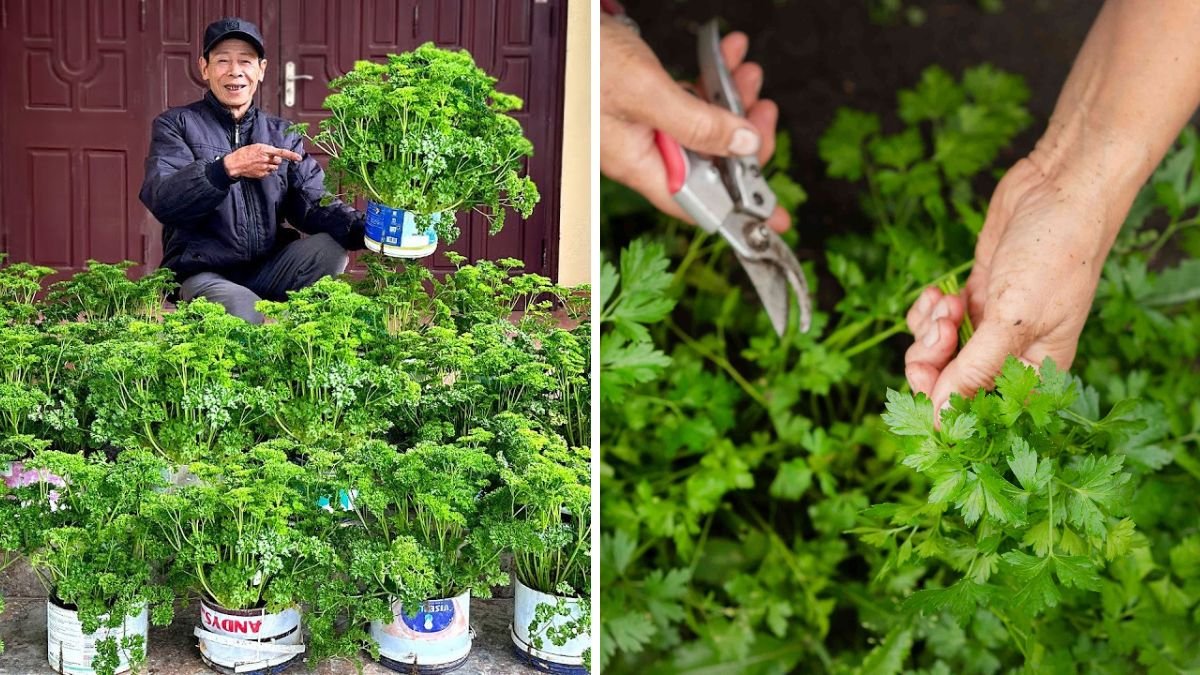
Introduction: The Secret Garden Herb You’ll Love
Curly parsley (Petroselinum crispum) is a staple in kitchens worldwide. Its bright flavor, crisp texture, and versatility make it indispensable in soups, salads, garnishes, and sauces. However, many gardeners struggle to maintain a continuous supply, often watching their parsley bolt, wilt, or dwindle after a few weeks.
The key to year-round abundance lies in understanding how parsley grows, when to prune, and how to harvest continuously. With the right techniques, you can keep your parsley lush, healthy, and productive, whether in an outdoor garden bed, a container, or even indoors on a windowsill. This guide unveils the proven method to achieve continuous harvests, saving you time and ensuring fresh leaves whenever you need them.
Understanding Curly Parsley
Before diving into cultivation and harvesting methods, it’s important to understand what makes curly parsley unique. Parsley is a biennial plant, meaning it has a two-year life cycle. In the first year, it focuses on leafy growth, while in the second year, it tends to flower and produce seeds. Gardeners aiming for continuous leaf harvest want to maintain the plant in its first-year vegetative stage for as long as possible.
Curly parsley thrives in nutrient-rich, well-draining soil with consistent moisture. It prefers full sun but tolerates partial shade, especially in hotter climates. With proper care, parsley can provide a near-constant supply of fresh leaves, a feature that elevates any home garden.
Getting Started: Planting Curly Parsley
1. Choose the Right Location
Select a spot with 6–8 hours of sunlight per day. Parsley grows best in soil amended with compost or organic matter to improve drainage and fertility. Proper sunlight and soil conditions are foundational for strong growth and continuous harvests.
2. Sow Strategically for Succession
Parsley seeds are notoriously slow to germinate, often taking 2–4 weeks to sprout. To maintain a constant supply, practice succession sowing: plant a small batch every 3–4 weeks. This ensures that as older plants slow down, new seedlings are ready to take over, giving you a continuous supply of leaves.
3. Germination and Early Care
Keep soil consistently moist but not soggy, and maintain even warmth to encourage uniform germination. Once seedlings reach 2–3 inches tall, thin them to avoid overcrowding, allowing 6–8 inches between plants for optimal airflow and nutrient access.
The Secret to Continuous Harvesting
The most crucial factor in maintaining a constant parsley supply is how you harvest. Many gardeners unknowingly stunt growth by cutting leaves incorrectly or too aggressively. Follow these principles:
1. Cut Smart, Not Hard
Harvest leaves near the base, just above the crown of the plant, rather than snipping individual leaves at random. This encourages fresh growth from the plant’s central growing point.
2. The Cut-and-Come-Again Technique
Use the “cut-and-come-again” method: harvest outer, mature leaves, leaving the younger inner leaves untouched. This ensures the plant continues producing without diverting energy toward flowering. By preserving the central crown, you allow parsley to regenerate continuously.
3. Harvest No More Than One-Third at a Time
Over-harvesting stresses the plant and slows regrowth. Removing only about 30% of the foliage at each harvest promotes vigorous new growth while maintaining overall plant health. Regular, careful pruning also reduces the risk of bolting and leaf yellowing.
Timing Your Harvests
Timing plays a crucial role in maximizing flavor, leaf production, and overall plant health:
- Morning Harvests: Pick leaves early in the day when essential oils are most concentrated. This enhances flavor and aroma.
- Mature Leaves: Begin harvesting once plants reach 6–8 inches tall. Harvest only the larger, outer leaves to maintain continuous growth.
- Frequent Harvesting: Weekly or biweekly harvesting encourages more stems to develop, sustaining leaf production throughout the season.
Using these strategies, gardeners can achieve a near-constant supply of fresh, flavorful parsley for months.
Seasonal Strategies for Continuous Growth
Parsley can be grown year-round with a little planning:
Spring and Fall
Mild temperatures are ideal. Plants grow vigorously, and succession planting ensures there are always new leaves ready for harvest. Mulching around the base helps retain soil moisture and protect roots during cooler nights.
Summer
High heat can cause parsley to bolt prematurely. Provide afternoon shade and keep soil consistently moist. Frequent harvesting encourages the plant to focus on leafy growth rather than flowering.
Winter
In mild climates, parsley continues to grow outdoors with some protection, such as cold frames or row covers. Indoors, use a sunny windowsill or grow lights to maintain healthy regrowth. Avoid over-harvesting during winter; take fewer leaves to reduce stress on the plant.
Soil, Watering, and Fertilization Tips
Optimal growth requires attention to soil, water, and nutrition:
- Soil: Well-draining, rich in organic matter. Add compost or aged manure for extra nutrients.
- Watering: Keep soil evenly moist, particularly during seedling establishment. Reduce water slightly once plants are mature to prevent root rot.
- Fertilization: Apply a balanced fertilizer or compost tea every 4–6 weeks to maintain lush growth without overstimulating leaf production.
By combining proper soil, consistent watering, and light feeding, parsley can remain productive and vibrant for an extended period.
Pro Tips for Maximum Yield
- Mulching: Helps retain soil moisture, reduces weeds, and maintains consistent soil temperature.
- Pest Management: Watch for aphids, caterpillars, and fungal diseases. Use organic insecticidal soap or neem oil if needed.
- Indoor Growth: Parsley adapts well to containers. Use high-quality potting soil and rotate pots for even sunlight exposure.
These techniques keep plants healthy, reduce stress, and allow for continuous, abundant harvests.
Authoritative Sources
For further research and expert guidance on growing and harvesting curly parsley continuously, consult these trusted resources:
- The Old Farmer’s Almanac – Parsley Growing & Harvesting Guide
Comprehensive advice on planting, soil preparation, and pruning. (almanac.com) - Royal Horticultural Society – Grow Your Own Parsley
Expert horticultural insights for gardeners of all levels. (rhs.org.uk) - Biology Insights – When to Prune Parsley for Continuous Harvest
Detailed pruning techniques to maintain year-round production. (biologyinsights.com) - Alibaba Spice Basics – Growing Parsley Indoors
Practical guidance for indoor and container parsley cultivation. (spice.alibaba.com)
Conclusion
The secret to growing and harvesting curly parsley continuously lies in understanding plant growth, harvesting wisely, and providing consistent care. By following succession planting, cut-and-come-again pruning, and careful harvesting, gardeners can enjoy fresh parsley leaves week after week, year-round.
Whether you’re growing parsley in a garden bed, raised container, or indoors, these strategies will keep your plants lush, flavorful, and productive — no more wilting or bolting surprises. With patience and attention to detail, your herb garden can become a reliable source of fresh, aromatic parsley, every day of the year.
🌿 Start applying these techniques today and unlock the full potential of your curly parsley garden. Continuous harvests are not a dream — they are achievable with the right method.