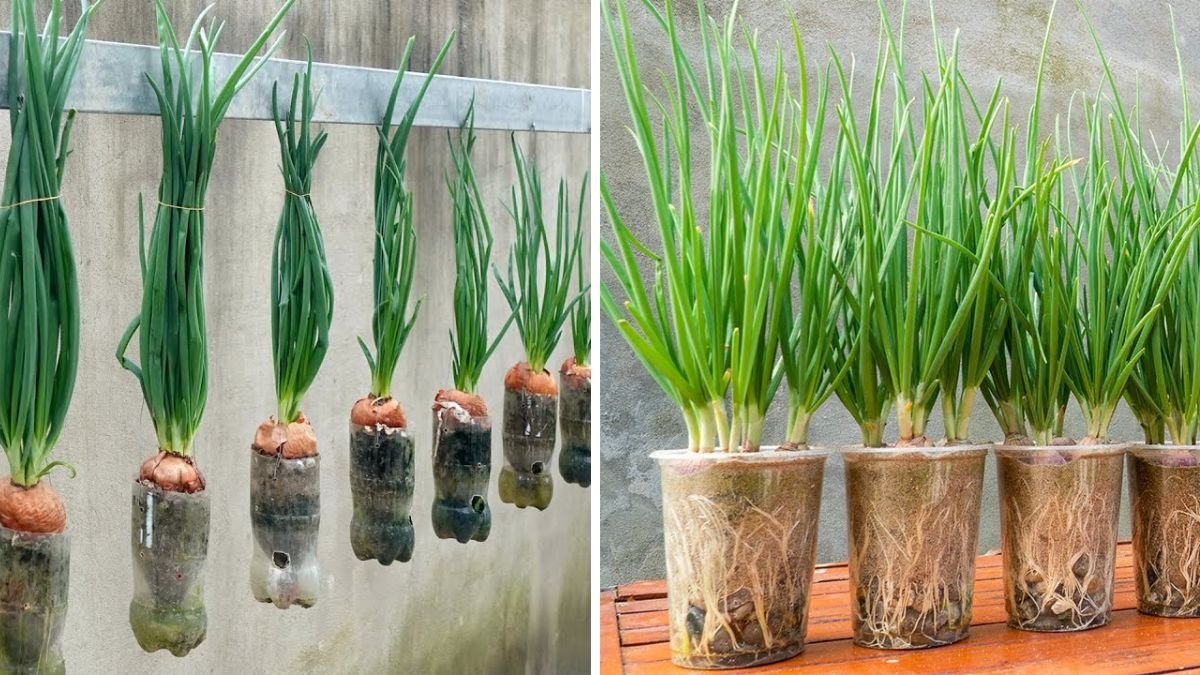
Onions are a staple in kitchens worldwide, adding flavor, aroma, and nutrition to countless dishes. Yet, growing onions successfully can be challenging. Soil quality, sunlight, water, climate, and variety selection all influence the outcome. Many gardeners and small-scale farmers struggle to produce healthy bulbs consistently. But what if there were a secret to growing onions anywhere, with minimal fuss and maximum success? This guide reveals expert-backed tips and modern cultivation methods that make onion growing straightforward and highly productive.
Why Growing Onions Anywhere Matters
Onions (Allium cepa) are more than just a culinary ingredient — they are essential for home gardens, commercial farms, and food security. However, onions are sensitive to environmental conditions. Too little sunlight, irregular watering, or unsuitable soil can stunt growth, reduce bulb size, or even prevent the crop from forming.
With climate change and unpredictable weather patterns, gardeners are looking for ways to grow onions successfully in diverse environments. Recent research and practical experience show that by combining proper variety selection, soil preparation, watering techniques, and modern cultivation methods, onions can thrive almost anywhere — from backyard beds to containers, and even in controlled indoor systems. (hortidaily.com)
Tip 1: Select the Right Onion Variety
The first step to successful onion cultivation is choosing the right variety for your climate. Onions are categorized by their photoperiod sensitivity, meaning the amount of daylight they require to form bulbs.
- Short-day onions thrive in warmer regions with shorter daylight hours (10–12 hours of sunlight).
- Long-day onions require longer summer days (14–16 hours) and are ideal for cooler climates. (marthastewart.com)
Using the correct variety prevents bolting (premature flowering), ensures proper bulb formation, and maximizes yield. For container gardeners or those in regions with unpredictable sunlight, consider intermediate-day onions, which are flexible in varying daylight conditions.
Tip 2: Prepare the Soil Properly
Healthy onions start with healthy soil. Onions grow best in well-drained, loose, and fertile soil with a pH between 6.0 and 7.0. Proper soil preparation encourages strong root development and nutrient uptake.
Steps for optimal soil preparation:
- Test your soil pH and adjust with lime or sulfur as needed.
- Add organic matter such as compost or well-rotted manure to improve fertility and moisture retention.
- Loosen the soil to allow roots to expand and prevent compaction.
- Ensure good drainage, as onions are prone to rot in waterlogged soil. (extension.umn.edu)
Mulching around onions can also help retain moisture, suppress weeds, and regulate soil temperature, giving your onions the best start.
Tip 3: Master Watering Techniques
Water management is crucial for onion success. While onions require consistent moisture, they do not tolerate standing water. Overwatering can lead to disease, while underwatering reduces bulb size and yield.
Watering tips for success:
- Keep the soil evenly moist during early growth stages to establish strong roots.
- Use drip irrigation when possible; it delivers water directly to the root zone and reduces the risk of fungal infections. (wikifarmer.com)
- Reduce watering as bulbs mature to improve storage life.
- Monitor soil moisture regularly with a simple finger test or a soil moisture meter. (homesandgardens.com)
Consistent but moderate watering helps onions produce large, firm bulbs suitable for storage and cooking.
Tip 4: Ensure Adequate Sunlight and Correct Planting Depth
Onions are sun-loving plants. They need 6–8 hours of direct sunlight per day for healthy growth. Planting in shaded areas can lead to spindly growth and smaller bulbs.
- Planting depth: Seeds and sets should be covered lightly with soil — just enough to secure them in place. Planting too deeply can delay bulb formation and reduce yield.
- Containers: Use deep pots or raised beds with quality potting mix to provide sufficient room for roots and bulbs to expand. (almanac.com)
Sunlight and planting depth work together to encourage strong vegetative growth and optimal bulb formation.
Tip 5: Start Indoors or Use Onion Sets
For gardeners in regions with short growing seasons, starting onions indoors or using sets can improve success.
- Indoor seedlings: Start seeds 8–10 weeks before transplanting. Provide bright light and consistent moisture.
- Onion sets: Small bulbs planted directly in the soil allow for faster growth and early harvest. (almanac.com)
These methods help avoid early-season frost, maximize the growing period, and ensure a strong start for your onion crop.
Tip 6: Explore Modern Techniques Like Aeroponics
Emerging research shows that onions can also thrive in aeroponic systems, where roots are suspended in the air and misted with nutrient solutions. This high-tech approach offers:
- Increased oxygen availability to roots
- Faster growth and early bulb formation
- Reduced soil-borne diseases and pests
Although aeroponics is more common in commercial operations or controlled environments, it represents a promising future for high-yield, space-efficient onion cultivation. (hortidaily.com)
Common Challenges and Solutions
Even with the best care, onion growers face obstacles. Here’s how to overcome common issues:
- Bolting: Caused by stress or incorrect photoperiod. Choose varieties suited to your region and maintain consistent care.
- Pests and weeds: Mulching and regular monitoring reduce competition and damage from insects.
- Water stress: Avoid both overwatering and underwatering. Use irrigation tools to maintain steady soil moisture. (homesandgardens.com)
Addressing these challenges early ensures healthy growth and higher yields.
Post-Harvest Tips
After harvesting, proper handling and storage maximize shelf life:
- Cure onions in a dry, well-ventilated area for 2–3 weeks.
- Store in a cool, dark place with low humidity to prevent sprouting and rot.
- Some modern systems use IoT-based storage with controlled temperature and humidity to reduce spoilage and extend storage life. (arxiv.org)
These steps ensure that your onions remain fresh, firm, and flavorful long after harvest.
Suggested Authoritative Sources
For further research and credibility:
- University of Minnesota Extension – Growing Onions (extension.umn.edu)
- Old Farmer’s Almanac – Onion Planting Guide (almanac.com)
- Gardening Know How – Watering & Care Tips (gardeningknowhow.com)
- HortiDaily – Aeroponics for Onion Cultivation (hortidaily.com)
Conclusion: Grow Onions Anywhere Like a Pro
By following these expert tips, anyone can grow onions successfully anywhere, whether in backyard gardens, containers, raised beds, or even indoor systems. From selecting the right variety and preparing soil to mastering watering, sunlight, and modern cultivation methods, onions can flourish in diverse conditions.
Combining traditional knowledge with modern innovations like aeroponics and smart storage ensures higher yields, healthier bulbs, and a more reliable harvest. With the strategies outlined here, you now have the secrets to growing onions anywhere with ease and confidence.