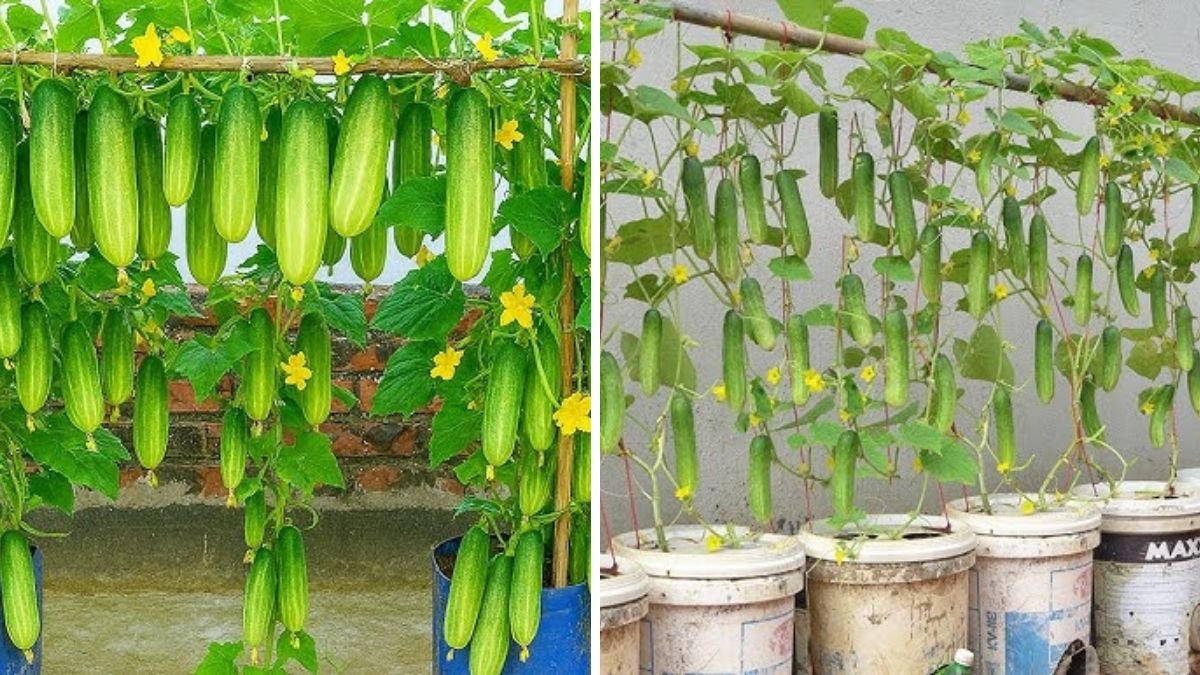
Cucumbers are a favorite summer vegetable for home gardeners worldwide. Their crisp texture, refreshing taste, and versatility in salads, pickles, and snacks make them indispensable in the kitchen. However, producing a high-yield cucumber harvest in the scorching summer months can be challenging. Heat stress, inconsistent watering, and disease often reduce production, frustrating even experienced gardeners. The good news is that growing cucumbers successfully in summer isn’t a matter of luck — it’s about understanding their needs and applying the right strategies. In this article, we reveal the secret to growing high yield cucumbers in summer with proven tips that guarantee productivity.
Why Summer Cucumbers Require Special Care
Cucumbers are warm-season crops, thriving in temperatures between 70–85°F (21–29°C). Yet, excessive heat, drought, and pests can significantly lower yield if plants are not carefully managed. Unlike some vegetables, cucumbers are heavy feeders that require nutrient-rich soil, consistent moisture, and ample sunlight to produce abundant fruits. High summer temperatures can also stress plants, causing flower drop or bitter fruits. Understanding these challenges is the first step toward achieving a bountiful summer harvest.
1. Choose the Right Location and Soil
The foundation of a successful cucumber harvest begins with selecting the perfect spot. Cucumbers need full sun, ideally 6–8 hours per day, to encourage flowering and fruit development. Choosing a sunny, well-drained location prevents stunted growth and promotes healthy root systems.
Soil quality is equally important. Cucumbers prefer fertile, loose soil rich in organic matter with a pH of 6.5–7.0. This combination ensures nutrients and water are efficiently absorbed, supporting vigorous growth. Before planting, enrich your garden bed with compost or well-rotted manure, which improves soil structure, water retention, and fertility.
Pro Tip: Avoid planting cucumbers in heavy clay or poorly drained soil, as this can lead to root rot and other fungal issues.
2. Start With Healthy Seedlings or Sow at the Right Time
Timing is critical for summer cucumbers. Seeds should be sown after the soil has warmed, usually in late spring or early summer, to promote rapid germination. Warm soil accelerates seedling growth, allowing plants to establish before peak summer heat arrives.
If transplanting seedlings, make sure to harden them off by gradually introducing them to full sun and outdoor conditions. Hardening reduces transplant shock and improves plant survival, which ultimately affects yield. Strong seedlings grow faster, flower sooner, and produce more cucumbers over the season.
3. Use Trellises to Grow Vertically
One of the most effective secrets for high-yield cucumbers is vertical growth. Trellising cucumber vines:
- Improves air circulation, reducing the risk of disease
- Keeps fruits cleaner and easier to harvest
- Optimizes garden space, allowing more plants per square foot
- Enhances sunlight exposure for leaves and flowers, promoting more fruit set
You can use bamboo stakes, netting, A-frame trellises, or DIY supports to lift vines off the ground. Vertical growth not only maximizes yield but also reduces the risk of fungal infections caused by damp leaves resting on soil.
4. Water Deeply and Consistently
Cucumbers are water-loving plants, and summer heat increases their moisture needs. Inconsistent watering can stress plants, causing flower drop and bitter fruits. For best results, provide 1–2 inches of water per week, preferably in the early morning to reduce evaporation and fungal issues.
Mulching around the base of plants helps retain soil moisture and keeps roots cool. Straw, shredded leaves, or grass clippings work well. Avoid overhead watering, as wet foliage promotes diseases like powdery mildew and downy mildew.
Pro Tip: Deep, infrequent watering encourages roots to grow downward, producing stronger, drought-resistant plants that maintain high yield even in hot weather.
5. Fertilize Wisely
Cucumbers are heavy feeders and need consistent nutrients throughout the growing season. Begin with well-amended soil and continue feeding plants as they develop flowers and fruits.
Recommended fertilization approach:
- At planting: Incorporate compost or organic matter into the soil
- During flowering: Apply a balanced fertilizer or organic liquid fertilizers like compost tea or seaweed extract
- Mid-season: Use a low-nitrogen, high-phosphorus fertilizer to encourage fruiting rather than excessive leafy growth
Avoid excessive nitrogen, which promotes foliage at the expense of fruits. Proper fertilization ensures strong vines, abundant flowers, and more cucumber production.
6. Plant in Succession for Continuous Harvest
To maximize summer yield, practice succession planting. Instead of sowing all seeds at once, plant in waves spaced 2–3 weeks apart. This approach ensures a continuous supply of cucumbers, even as earlier plants finish fruiting.
Succession planting is particularly beneficial for smaller gardens or container setups. By staggering growth, you avoid overproduction at once and maintain a steady supply of fresh cucumbers throughout the season.
7. Harvest Frequently to Encourage More Fruits
Frequent harvesting is a simple but powerful yield booster. Cucumbers that are left to grow too large signal the plant to slow production. To encourage continuous fruiting:
- Pick slicing cucumbers at 6–8 inches
- Pick pickling varieties at 3–5 inches
Check your plants every 1–2 days during peak production. Regular harvest not only ensures optimal flavor but also stimulates the plant to produce more flowers and fruits.
Bonus Secret: Protect Plants From Pests and Diseases
Summer pests like cucumber beetles, aphids, and spider mites can drastically reduce yield. Using floating row covers early in the season can protect young plants from beetles, but remove them once pollination begins.
For disease prevention:
- Maintain proper spacing for airflow
- Mulch to reduce soil splash
- Monitor regularly and use organic solutions like neem oil or beneficial insects when needed
A proactive approach to pest and disease management ensures your cucumbers stay healthy and productive.
Science-Backed Tips for Maximum Yield
Research highlights that consistent moisture and trellising are key drivers of high cucumber yields. Deep watering encourages stronger roots, while vertical growth allows better sunlight exposure and air circulation, increasing flower and fruit set. Combining these strategies with proper fertilization and succession planting ensures a productive summer garden, even under heat stress.
Authoritative Sources for Further Reading
- 🌱 IndiaTimes – 9 Easy Tips to Grow Juicy Cucumbers in Summer (indiatimes.com)
- 🍃 The Rike – Secrets to High Yield Cucumbers (therike.com)
- 🌼 GardenTabs – Cucumber Yield Throughout Summer (gardentabs.com)
These sources provide step-by-step guidance, pest management strategies, and nutrient recommendations to help you optimize your cucumber harvest.
Final Thoughts
Growing high-yield cucumbers in summer doesn’t have to be complicated. By implementing the secret to growing high yield cucumbers in summer — including proper location, trellising, watering, fertilization, succession planting, and frequent harvesting — gardeners can enjoy abundant, juicy cucumbers throughout the season.
With careful attention to sunlight, soil, and water, combined with proactive pest and disease management, your summer cucumber harvest can be both plentiful and flavorful. Start with quality seedlings, give your plants the right care, and watch as your garden produces one of the most satisfying and productive summer crops.