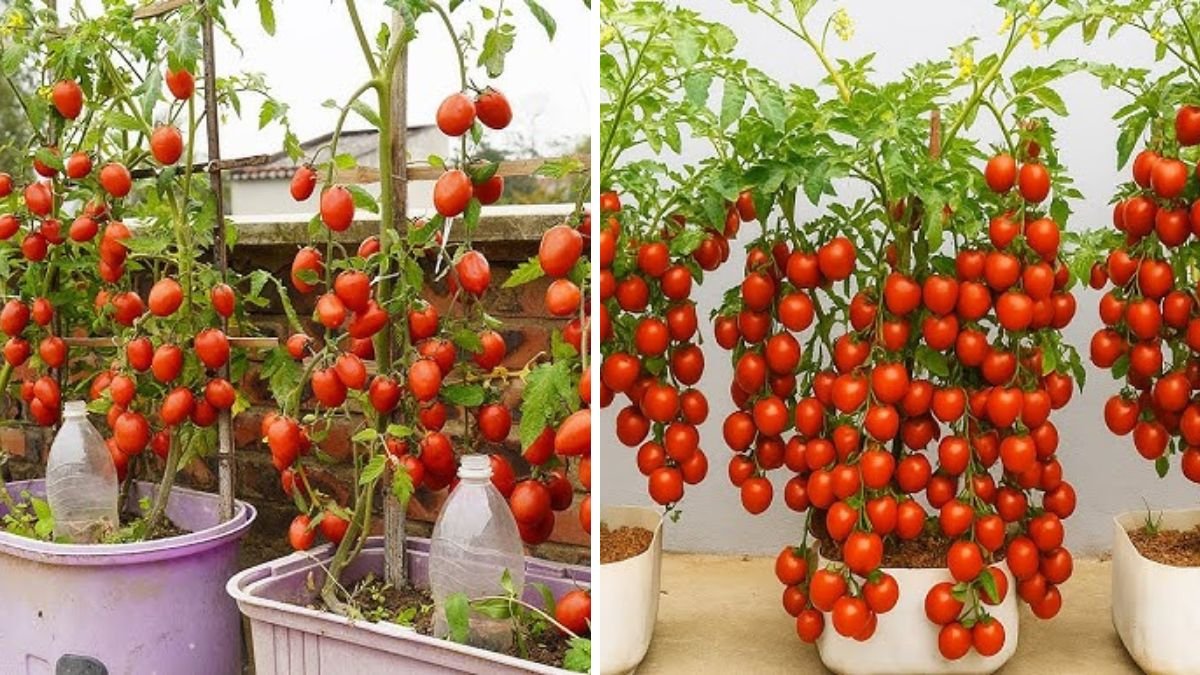
Tomatoes are one of the most beloved and rewarding plants for home gardeners. Whether grown in containers, raised beds, or open soil, nothing is more satisfying than a steady supply of ripe, juicy tomatoes throughout the season. However, many gardeners struggle with plants that start off strong but then slow down or stop producing fruit. The good news is that with consistent care and a few strategic practices, you can keep your tomato plants bearing fruit non‑stop and enjoy continuous harvesting.
This article will cover the best watering, feeding, pruning, sunlight, and maintenance strategies to help you maximize tomato production. We’ve also included recent expert insights and authoritative sources to guide you in keeping your tomato plants healthy, productive, and fruitful.
Why Tomatoes Stop Producing Fruit
Understanding why tomato plants stop fruiting is essential. Common reasons include stress from inconsistent watering, nutrient deficiencies, insufficient sunlight, overcrowding, or pest and disease problems. Stress can cause flowers to drop before setting fruit, while imbalanced nutrition may encourage leafy growth instead of flowering. By addressing these issues, you can create an environment where your tomato plants continue producing flower after flower, fruit after fruit.
1. Consistent Watering is Key
One of the most critical factors in keeping tomatoes fruiting is maintaining consistent soil moisture. Tomatoes are sensitive to drought and overwatering alike. Irregular watering can lead to blossom drop, fruit splitting, or even disorders like blossom end rot, which is caused by calcium deficiency often aggravated by inconsistent soil moisture.
Pro Tips:
- Water deeply at the base of the plant to encourage strong root growth.
- Avoid overhead watering to reduce the risk of fungal diseases.
- Mulch around plants to retain moisture and regulate soil temperature.
- Monitor soil daily during hot weather; container plants may need multiple waterings per day.
By keeping soil evenly moist, your tomato plants will have the energy to produce flowers and set fruit consistently.
2. Provide Adequate Sunlight
Tomatoes thrive in full sun, needing at least 6–8 hours of direct sunlight daily. Without sufficient light, tomato plants struggle to flower and set fruit, reducing overall harvest. Sunlight fuels photosynthesis, providing the energy plants need for growth, flowering, and fruit development.
Tips for optimal sunlight:
- Choose a location that receives full sun throughout the day.
- Rotate container plants periodically to ensure even exposure.
- Avoid shading plants with taller structures or neighboring plants.
Providing your tomato plants with ample sunlight is one of the simplest ways to encourage continuous fruit production.
3. Feed Your Tomatoes for Fruiting
Nutrition plays a vital role in tomato fruit production. Early in the season, a balanced fertilizer helps establish strong growth. Once plants begin flowering and setting fruit, it’s essential to switch to a fertilizer higher in potassium and phosphorus, which supports fruit development and enhances flavor.
Feeding Tips:
- Use organic compost or liquid fertilizers rich in potassium during fruiting.
- Avoid excess nitrogen at this stage; too much nitrogen encourages leafy growth instead of flowers and fruit.
- Feed container plants every 10–14 days to maintain nutrient levels.
Proper feeding ensures your tomato plants have the energy and nutrients needed to continue flowering and setting fruit.
4. Prune for Airflow and Fruit Production
Pruning can help tomato plants direct energy towards fruit production rather than excessive foliage. While determinate (bush) varieties need minimal pruning, indeterminate (vining) tomatoes benefit greatly from occasional pruning.
Pruning Tips:
- Remove suckers (small shoots between the main stem and branches) to focus energy on fruiting.
- Trim lower leaves to improve airflow and reduce disease risk.
- For indeterminate varieties, prune to maintain shape and size while maximizing fruit production.
Pruning allows sunlight and air to reach all parts of the plant, improving flower set and overall harvest.
5. Space and Support Plants Properly
Crowded tomato plants struggle to produce fruit. Good spacing improves airflow, reduces disease, and ensures that flowers are exposed to sufficient light. Supporting your plants with stakes, cages, or trellises also keeps them upright and prevents branches from breaking under the weight of developing fruit.
Spacing and support tips:
- Maintain at least 3 feet between plants for optimal airflow.
- Use stakes, cages, or trellises early to guide growth and prevent sprawling.
- Taller indeterminate varieties especially benefit from sturdy vertical supports.
Well-supported and spaced plants fruit more consistently and stay healthier throughout the season.
6. Stagger Planting for Extended Harvest
If you have a long growing season, stagger planting dates to ensure a continuous harvest. By planting in waves, you avoid all your tomatoes ripening at the same time and can enjoy a steady supply of fresh tomatoes throughout the growing season.
Tips for staggered planting:
- Start a second set of seedlings 2–3 weeks after the first batch.
- Mix early, mid, and late-season varieties to extend production.
- In cooler climates, plant early-season varieties first to maximize harvest length.
This simple technique helps you enjoy non-stop fruiting over weeks or months.
7. Protect from Heat Stress and Sunscald
While sunlight is critical, excessive heat can stress plants, reduce fruit set, or cause sunscald on developing tomatoes. During extreme temperatures, consider providing temporary shade to protect flowers and fruits.
Heat protection tips:
- Peak temperatures above 90°F (32°C) can cause blossom drop.
- Use shade cloths during the hottest part of the day.
- Ensure adequate watering during heat waves to reduce plant stress.
By mitigating heat stress, your plants are more likely to continue flowering and setting fruit consistently.
8. Prevent Common Problems
Even healthy tomato plants can encounter issues that reduce fruit production. Paying attention to common problems ensures your plants stay productive.
Blossom End Rot:
Caused by calcium deficiency and irregular watering. Maintain consistent moisture and use calcium-rich fertilizers if needed.
Diseases and Pests:
Fungal diseases, aphids, and caterpillars can affect flowering and fruiting. Ensure proper spacing, remove infected leaves, and consider organic pest control strategies.
Tips:
- Monitor plants regularly for pests and diseases.
- Keep tools clean and use good hygiene when handling plants.
- Rotate crops annually to reduce soil-borne diseases.
Suggested Authoritative Sources
To ensure your tomatoes stay productive, consult these reliable sources:
- Royal Horticultural Society – Tomato Growing Guide – Expert advice on plant care, fertilization, and pruning. (rhs.org.uk)
- Garden Design – Tips for Continuous Harvest – Techniques to extend fruiting and maximize yield. (gardendesign.com)
- Old Farmer’s Almanac – Tomatoes Tips – Classic, tested strategies for healthy, fruitful plants. (almanac.com)
- AARP – Growing Tips for Tomato Production – Practical advice for pruning, feeding, and watering. (aarp.org)
Final Thoughts
Keeping tomato plants bearing fruit non-stop isn’t complicated, but it does require attention, care, and smart practices. By focusing on consistent watering, sufficient sunlight, proper feeding, pruning, support, and problem prevention, you can enjoy a continuous harvest of flavorful, ripe tomatoes all season long.
With staggered planting and a few preventative measures, your tomato plants can flower and fruit consistently, turning your garden into a reliable source of fresh, juicy tomatoes. These simple tips make it possible for any gardener to maximize yield and enjoy the fruits of their labor season after season.
Growing tomatoes is both an art and a science — and with the right techniques, your tomato plants can produce abundantly and consistently, delighting your family and friends with homegrown flavor. 🍅