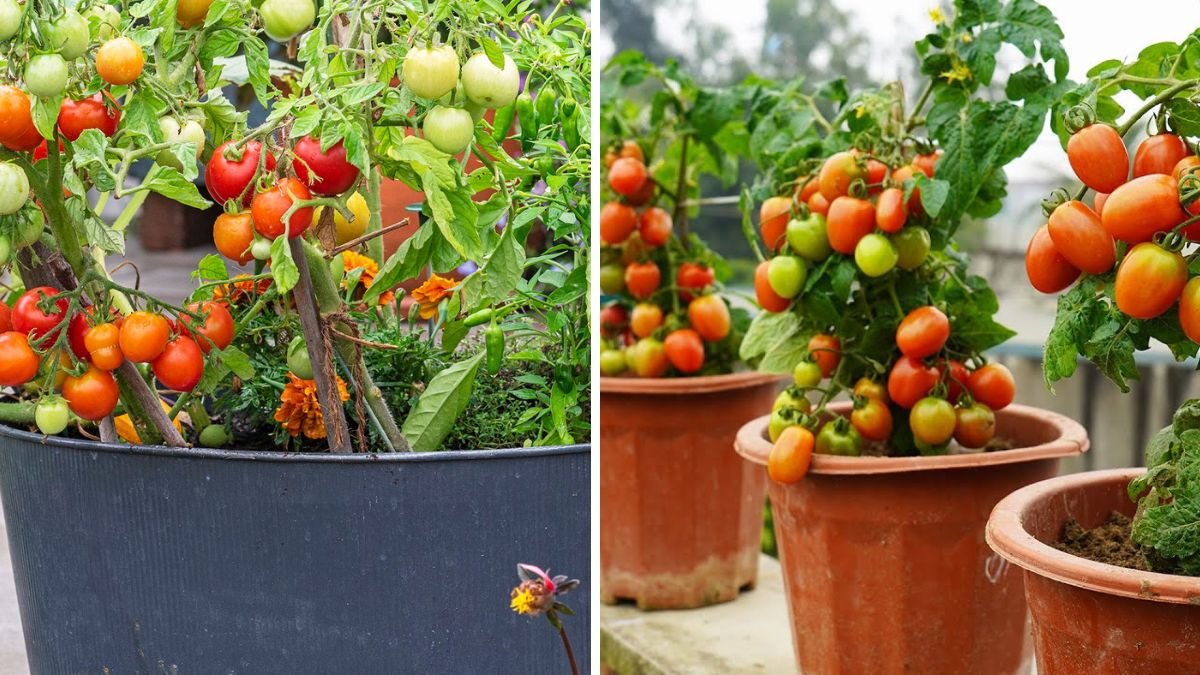
Introduction: The Challenge of Continuous Tomato Fruiting
Tomatoes are among the most popular vegetables worldwide, cherished for their flavor, versatility, and high market value. Yet, for many gardeners and small farmers, one persistent challenge remains: getting tomato plants to bear fruit continuously. While a single plant can produce several clusters of fruit, many plants experience “downtime” periods where flowering and fruit set slows or stops altogether.
Recent developments in horticultural techniques have offered a solution that is gaining global attention. By combining grafting, proper pruning, pollination strategies, and nutrient management, growers can significantly extend the fruiting period, enabling their plants to produce tomatoes non-stop throughout the growing season. This approach is not only cost-effective but also improves overall plant health, resilience, and yield. (Aajtak)
The Game-Changer: Grafting for Continuous Fruit Production
One of the most effective tricks that modern growers are using is grafting tomato plants. Grafting involves joining a high-quality, fruit-producing scion (the upper part of the plant) to a strong, disease-resistant rootstock. This method is proven to increase plant vigor, enhance stress tolerance, and extend the fruiting period.
How Grafting Works:
- Select a vigorous rootstock with strong disease resistance and high nutrient uptake capacity.
- Choose a productive scion from a preferred tomato variety for fruit quality and taste.
- Join the two carefully using a clean, precise cut and secure them until they heal.
The resulting plant benefits from the rootstock’s robust root system, which supports more flowers and helps sustain fruiting even under challenging conditions. Grafted tomatoes often produce more clusters of fruit for longer periods than non-grafted plants, effectively reducing idle phases in the growing cycle. (Vegetable Grafting Organization)
🌟 Farmers in India and other regions have reported that grafted tomato plants can continue producing for up to 6–9 months, even under adverse weather conditions.
Essential Practices for Continuous Fruiting
While grafting provides a strong foundation, other practices are equally crucial for achieving non-stop tomato production.
1. Pruning and Suckering
Pruning is essential to redirect the plant’s energy from excess leaf growth to flower and fruit production. Removing lower shoots, or suckers, encourages better airflow, reduces disease risk, and ensures the plant focuses on developing tomatoes rather than foliage.
- Remove shoots growing in the leaf axils regularly.
- Avoid over-pruning, which can stress the plant.
Regular pruning has been shown to increase fruit set and improve overall harvest quality. (Organic Bazar)
2. Ensuring Adequate Pollination
Tomatoes are naturally self-pollinating, but hand-assisted pollination can improve fruit set, especially in enclosed spaces or calm weather conditions.
Techniques for effective pollination:
- Gently shake the plant to mimic natural pollinator activity.
- Use a small brush or electric toothbrush to vibrate flowers and disperse pollen.
Proper pollination ensures each flower has the potential to develop into fruit, preventing gaps in the production cycle.
3. Optimizing Sunlight and Nutrition
Tomatoes require 6–8 hours of direct sunlight daily for optimal fruiting. Insufficient light slows flowering and reduces fruit size.
Nutritional guidelines for continuous production:
- Apply calcium and potassium to prevent blossom end rot and support fruit development.
- Conduct soil tests to provide balanced fertilizers based on the plant’s requirements.
- Organic alternatives like compost and vermicompost can provide a steady nutrient supply. (EOS Blog)
Healthy, well-nourished plants set more flowers and support continuous fruiting.
4. Watering and Mulching
Maintaining consistent soil moisture is crucial. Fluctuating water levels can stress plants and cause flowers or young fruits to drop prematurely.
- Use drip irrigation or consistent hand watering to keep the soil evenly moist.
- Mulch with straw, dried leaves, or grass to retain moisture, suppress weeds, and regulate soil temperature.
Proper water management supports uninterrupted flowering and healthy fruit development. (Organic Bazar)
5. Choosing Indeterminate Varieties
For continuous harvesting, indeterminate tomato varieties are ideal. Unlike determinate types that grow to a fixed size and fruit once, indeterminate tomatoes keep growing, flowering, and setting fruit throughout the season.
- Examples include cherry tomatoes, beefsteak, and certain heirloom varieties.
- Pairing indeterminate varieties with grafting can maximize production and fruit quality.
Real-World Success Stories
Grafting in Monsoon Conditions
Farmers in Jharkhand, India, faced heavy rainfall and unstable conditions that often halted tomato production. By adopting grafted plants, they achieved consistent fruiting for months, minimizing crop loss and maximizing income. (Aajtak)
Home Gardening Breakthroughs
Urban gardeners have successfully used container growing systems, grafted scions, and careful pruning to produce consecutive fruit cycles on the same plants during the growing season. These techniques allow continuous home harvests from limited space. (Navbharat Times)
Post-Harvest Management for Maximum Yield
Continuous fruiting is only valuable if harvested and stored properly:
- Harvest tomatoes regularly to encourage the plant to produce new flowers.
- Avoid leaving overripe fruits on the plant, which can slow new fruit development.
- Store harvested tomatoes in a cool, ventilated area to reduce spoilage and maintain quality.
Simple post-harvest practices ensure your hard work results in maximum usable yield.
Suggested Authoritative Sources
For more in-depth information and scientifically verified techniques, consult:
- Tomato Grafting Techniques (Wikipedia)
- Vegetable Grafting Guides (Vegetable Grafting Organization)
- Extension Service Tomato Production Manuals (Haifa Group)
These sources provide guidance on grafting, nutrient management, pruning techniques, and continuous harvesting practices.
Conclusion: Grow Tomatoes Non-Stop with [FOCUS KEYWORD]
Getting your tomato plants to bear fruit non-stop requires a combination of strategic horticultural practices:
- Grafting for vigor and disease resistance
- Pruning to focus energy on fruiting
- Pollination support to improve fruit set
- Balanced nutrition and water management
- Indeterminate varieties for extended harvest
When applied consistently, these techniques transform your tomato plants into high-yielding, long-producing machines, giving you fresh, home-grown tomatoes almost year-round.
With the right approach, even small-scale gardeners can enjoy continuous harvests without excessive cost or effort. Start implementing these strategies today and watch your tomato plants thrive like never before.