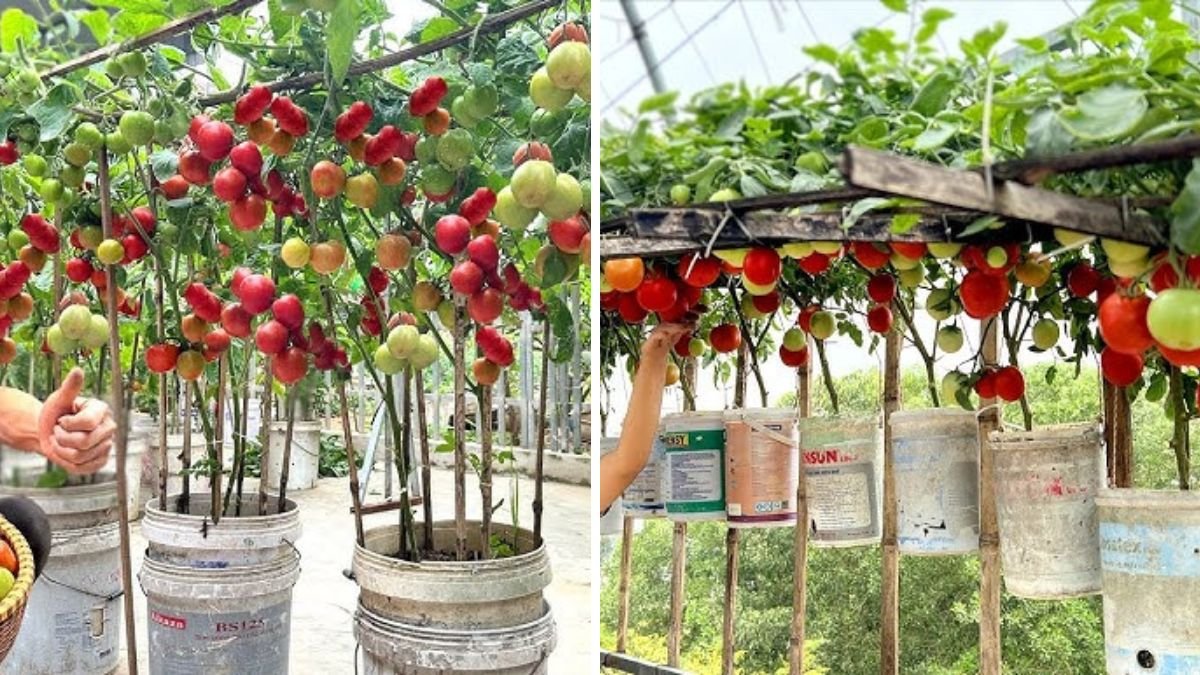
Introduction: Why Low-Cost Potato Growing Matters
Potatoes are one of the world’s most important staple crops, with global production exceeding 380 million tonnes annually. Rising fertilizer costs, soil degradation, and climate variability make low-cost, high-yield potato cultivation a top priority for small farmers and home gardeners alike.
Growing potatoes efficiently doesn’t require expensive inputs. By focusing on soil health, smart planting techniques, and simple organic hacks, gardeners can not only reduce costs but also double their yields and produce healthier, more abundant tubers.
Boost Soil Health First — Your Foundation for Success
Healthy, nutrient-rich soil is the single most important factor in growing large, abundant potatoes. Instead of relying on costly chemical fertilizers, focus on natural soil enrichment techniques:
- Compost and farmyard manure: These organic inputs supply essential nutrients, improve soil structure, and promote microbial activity that aids nutrient absorption.
- Cover cropping: Planting legumes or green manure crops between potato seasons naturally adds nitrogen to the soil.
- Avoid over-tilling: Excessive tilling disrupts soil structure and reduces microbial life. Minimal disturbance preserves fertility and moisture retention.
Farmers worldwide report that actively improving soil biology leads to larger tubers and fewer pest problems. (The Informed Farmer)
Planting Techniques That Maximize Yield
Even with the best soil, how you plant potatoes significantly affects yield. Small adjustments in planting depth, spacing, and hilling can make a big difference.
Deep Planting & Spacing
Plant seed potatoes about 6 inches deep and space them 12 inches apart. This encourages stolon development, which directly influences the number of tubers formed.
Hilling (Earthing Up)
Regularly mound soil around growing plants. Hilling:
- Encourages tuber formation by creating more rooting space
- Protects developing tubers from sunlight and greening
- Reduces weed competition naturally
Consistent hilling is a simple yet highly effective practice to boost both the quantity and size of tubers. (Wikipedia: Hilling)
Organic Inputs: Cut Costs While Improving Soil
Organic farming methods are not only cost-effective but also promote long-term soil health. Some affordable strategies include:
- Vermicompost and cow dung: Cheap, nutrient-rich, and easy to source locally
- Bio-potash solutions: Enhance potassium levels, crucial for tuber development
- Crop rotation: Reduces pests and diseases without chemical interventions
Integrating these organic practices often results in larger, healthier potatoes and helps the soil recover nutrients naturally. (Phycoterra)
Pre-Sprouting Seed Tubers (Chitting)
Chitting is the process of pre-sprouting seed potatoes before planting. It accelerates early growth, shortens the growing season, and can increase yields by 20–30%.
Steps to Chit:
- Place seed potatoes in a cool, bright area for 2–4 weeks
- Ensure sprouts are short and strong before planting
- Avoid damage to sprouts while planting
This low-cost technique is widely used by both home gardeners and commercial growers to maximize harvest potential. (LifeTips Alibaba)
Pest and Disease Management Without Chemicals
Reducing input costs includes limiting pesticide use. Some natural, low-cost strategies include:
- Crop rotation: Rotating potatoes with legumes or cereals helps prevent soil-borne diseases
- Neem oil and garlic sprays: Effective against common pests like aphids and Colorado potato beetles
- Physical barriers: Mulching and row covers reduce pest attacks and weed growth
These methods are cost-effective and environmentally friendly, reducing the reliance on expensive chemical pesticides. (The Better India)
Smart Harvesting and Post-Harvest Tips
Even after a successful growing season, improper harvesting and storage can lead to losses. Follow these simple, low-cost strategies:
- Harvest at the right time: Wait until the plants die back naturally, usually 2–3 weeks after foliage turns yellow
- Cure potatoes: Dry them in a shaded, well-ventilated area for 1–2 weeks to toughen skin
- Apple storage trick: Storing potatoes with a few apples slows sprouting due to ethylene gas naturally released by apples. (Times of India)
These steps reduce post-harvest losses and extend storage life, saving money and effort.
Low-Cost DIY Techniques
Even if you lack a large plot of land, there are clever ways to grow potatoes without additional cost:
- Grow bags and containers: Use old sacks, cardboard boxes, or any deep container
- Recycling household waste: Potato skins, compost, and kitchen scraps enrich soil naturally
- Multi-layer planting: Layering soil and organic matter in containers maximizes planting depth
Backyard gardeners often report surprisingly high yields using these creative, cost-free solutions. (Reddit: Balcony Gardening)
Suggested Authoritative Sources
To support your efforts and stay up to date with best practices:
- FAOSTAT: Global potato production data and statistics
- Potato News Today: Sustainable farming methods and yield optimization
- Peer-reviewed journals: Molecular Soil Biology and Agronomy Journal for nutrient management and soil health research
These sources help balance practical tips with scientific insights for maximum yield.
Conclusion: Grow Better Potatoes With [FOCUS KEYWORD]
Doubling your potato yield while keeping costs low is achievable with a combination of smart planting techniques, soil management, organic inputs, and clever post-harvest hacks. By improving soil fertility naturally, pre-sprouting tubers, and using low-cost storage methods, gardeners and small farmers can produce abundant, healthy tubers season after season.
Implementing these strategies ensures sustainable, budget-friendly potato cultivation that benefits both your wallet and the environment. Start small, apply these tips, and watch your harvest grow — without breaking the bank.