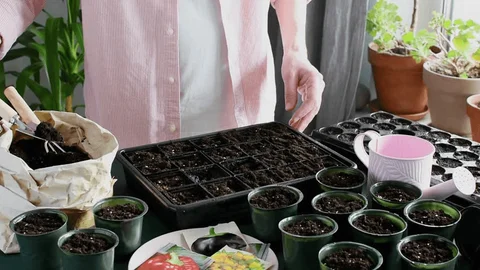
When most gardeners think about planting vegetables, spring naturally comes to mind. But experienced growers know that some of the healthiest, most productive crops actually begin their journey in mid-winter. One standout vegetable in particular thrives when started early and rewards patient gardeners with a bigger, more nutritious summer harvest: artichokes.
Often overlooked in home gardens, artichokes are a unique, nutrient-dense vegetable that benefits enormously from a mid-winter start. With their long growing season and impressive yields, starting artichokes indoors during winter can make all the difference between a struggling plant and a thriving, productive one.
Why Artichokes Are Worth Growing
Artichokes may look intimidating, but they are surprisingly rewarding to grow—and incredibly good for you.
Health Benefits of Artichokes
Artichokes are packed with nutrients, including:
- Fiber for digestive health
- Antioxidants that help fight inflammation
- Vitamins C and K
- Folate and magnesium
- Compounds that support liver health
Fresh, homegrown artichokes also contain higher nutrient levels and better flavor than store-bought varieties, which are often harvested early for shipping.
Why Mid-Winter Is the Best Time to Start Artichokes
Artichokes have a long growing season, often taking 120–180 days to produce harvestable buds. Starting them in mid-winter gives plants the extended time they need to develop strong roots and sturdy stems before summer heat arrives.
Key reasons winter starting works best:
- Stronger root systems before transplanting outdoors
- Earlier bud production in summer
- Healthier plants with better disease resistance
- Higher yields during the first growing year
Gardeners who wait until spring often end up with smaller plants and fewer artichokes—or none at all.
Understanding Artichoke Growth Habits
Artichokes are technically perennials in mild climates but are often grown as annuals in colder regions. They require:
- Cool temperatures early in life
- Warm, sunny conditions later for bud formation
- Plenty of space to spread
- Consistent moisture and nutrients
Starting artichokes indoors allows you to control early conditions, which is critical for success.
How to Start Artichokes Indoors in Mid-Winter
Starting artichokes from seed indoors is straightforward with the right setup.
Step 1: Choose the Right Variety
Some varieties are better suited for seed-starting and first-year production:
- ‘Imperial Star’ (excellent for beginners)
- ‘Green Globe Improved’
- ‘Purple of Romagna’
These varieties are bred to produce buds in their first year when started early.
Step 2: Use the Right Containers
Artichokes develop deep root systems quickly.
- Use pots at least 4–6 inches deep
- Avoid shallow seed trays
- Ensure good drainage
Biodegradable pots work well and reduce transplant shock.
Step 3: Plant the Seeds
- Sow seeds about ¼ inch deep
- Keep soil lightly moist, not soggy
- Ideal germination temperature: 65–75°F (18–24°C)
Seeds typically germinate within 7–14 days.
Step 4: Provide Strong Light
Winter sunlight isn’t enough.
- Use grow lights for 12–16 hours daily
- Keep lights 2–3 inches above seedlings
- Rotate plants for even growth
Strong light prevents leggy growth and supports sturdy stems.
Step 5: Maintain Consistent Moisture
Artichokes prefer evenly moist soil.
- Water when the top inch feels dry
- Avoid letting seedlings dry out completely
- Bottom watering helps prevent fungal issues
Healthy moisture habits early lead to resilient plants later.
Hardening Off and Transplanting Outdoors
Artichokes need gradual exposure to outdoor conditions before planting.
When to Transplant
- After danger of hard frost has passed
- Soil temperatures consistently above 50°F (10°C)
In many regions, this means late spring.
How to Harden Off
- Start with 1–2 hours outdoors per day
- Increase exposure gradually over 7–10 days
- Protect from strong wind and direct midday sun initially
Proper hardening off reduces stress and transplant shock.
Ideal Growing Conditions for Summer Success
Once in the ground, artichokes need the right environment to thrive.
Sunlight
- Full sun (6–8 hours daily)
- Light afternoon shade in hot climates
Soil
- Rich, well-draining soil
- Amend with compost or aged manure
- Slightly acidic to neutral pH
Spacing
- Plants need room to grow
- Space 3–4 feet apart
Crowded plants compete for nutrients and produce fewer buds.
Caring for Artichokes Through the Season
Consistent care leads to healthier plants and better yields.
Watering
- Deep watering 1–2 times per week
- Keep soil evenly moist
- Mulch helps retain moisture and regulate soil temperature
Feeding
- Feed monthly with a balanced fertilizer
- Compost tea or fish emulsion works well
- Avoid excessive nitrogen late in the season
Pest Monitoring
Common pests include aphids and slugs.
- Inspect leaves regularly
- Use organic controls if needed
- Healthy plants resist pests more effectively
Harvesting Artichokes at Peak Quality
Timing is everything when harvesting artichokes.
When to Harvest
- Buds should be firm and tightly closed
- Harvest before petals begin to open
- Cut with a sharp knife, leaving a short stem
Regular harvesting encourages continued production.
Why Early-Started Artichokes Are Healthier
Artichokes started in mid-winter tend to be:
- Larger and more flavorful
- Higher in nutrients
- More resistant to pests and disease
- More productive in their first year
Early establishment allows plants to focus energy on bud development rather than survival.
Common Mistakes to Avoid
Avoid these pitfalls for best results:
- Starting seeds too late
- Using shallow containers
- Skipping supplemental light
- Overwatering seedlings
- Crowding plants outdoors
Each mistake reduces yield and overall plant health.
Can You Grow Artichokes in Containers?
Yes—artichokes grow well in large containers.
- Use pots at least 18–24 inches wide
- Ensure excellent drainage
- Water more frequently than in-ground plants
Container-grown artichokes are ideal for patios and small gardens.
Conclusion
Starting artichokes in mid-winter may feel unconventional, but it’s one of the smartest moves a home gardener can make. This unique vegetable thrives with an early start, producing healthier plants, earlier buds, and more abundant summer harvests.
By sowing seeds indoors during winter, providing proper light and care, and transplanting thoughtfully, you’ll enjoy nutrient-rich, restaurant-quality artichokes straight from your garden.
If you’re looking to grow something different this year—and want a healthier, more rewarding harvest—artichokes are the perfect mid-winter project that pays off beautifully in summer.