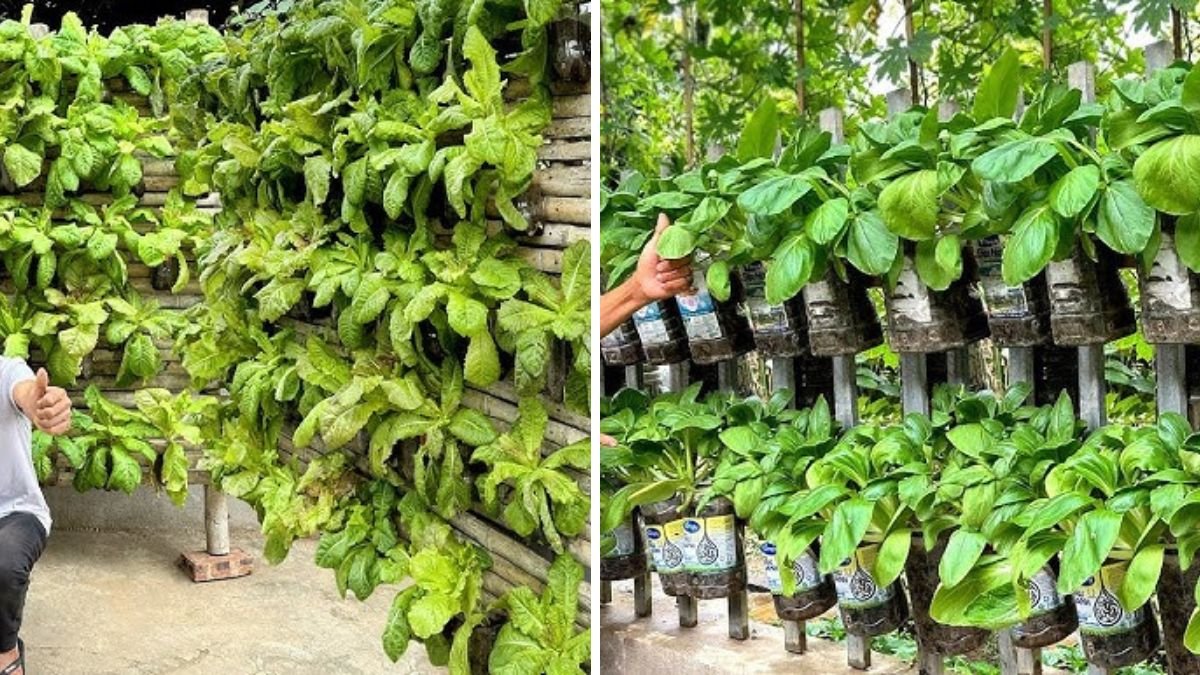
Vertical gardening is no longer just a trend; it’s a revolutionary way to transform urban spaces and small gardens into productive, visually stunning areas. With more people living in apartments, condos, or homes with limited outdoor space, the concept of turning a wall into a lush green vegetable garden has become increasingly popular. Not only does it maximize space, but it also creates a vibrant, eco-friendly feature that produces fresh vegetables, herbs, and greens right at your doorstep. In this guide, we will explore the steps, tips, and creative ideas to help you create your very own vertical vegetable garden — a super creative solution for 2026 and beyond.
Why Vertical Vegetable Gardens Are So Popular
Urban gardening has grown exponentially over the past few years, especially with limited outdoor space in cities. Vertical gardening allows homeowners to grow food upwards rather than outwards. This technique, often referred to as a living wall or green wall, offers a combination of beauty and functionality. According to gardening experts, vertical gardens not only provide fresh produce but also enhance air quality, reduce heat absorption, and add a lush aesthetic to otherwise dull walls (Organicauthority.com).
The rise of sustainable living, eco-conscious design, and DIY culture has also fueled the popularity of vertical vegetable gardens. People want to grow their own food, but many lack the garden space for traditional plots. Vertical gardening solves this problem beautifully. Whether it’s a balcony, a backyard wall, or even an indoor space with sufficient light, vertical vegetable gardens make homegrown food accessible to everyone.
What Is a Vertical Vegetable Garden?
A vertical vegetable garden is a method of growing edible plants on vertical surfaces such as walls, fences, trellises, or frames. Unlike conventional gardening, which requires horizontal ground space, vertical gardening uses structures that allow plants to grow upwards. You can use various systems, including soil-filled containers, hydroponic setups, pocket planters, hanging planters, or modular panels.
The beauty of vertical vegetable gardens is their flexibility. You can create a small herb wall in your kitchen or an expansive outdoor wall of leafy greens and climbing vegetables. Vertical gardening works equally well indoors and outdoors, as long as the plants receive enough sunlight or supplemental grow lights. It’s a creative way to utilize underused vertical space, turning walls into productive and green living art (Goodhousekeeping.com).
Current Trends in Vertical Vegetable Gardening
While there’s no breaking news specifically titled “Super Creative: Turn Your Wall Into a Lush Green Vegetable Garden,” the trend of vertical vegetable gardens has been gaining traction in urban areas. Experts report that vertical gardening is among the fastest-growing trends in 2025 and 2026. This style of gardening is particularly popular for its combination of practicality and aesthetic appeal.
Urban gardeners are increasingly turning blank walls into thriving gardens using a mix of modern and DIY techniques. Modular vertical planters, hydroponic walls, and recycled material planters have all become popular options. These solutions are ideal for growing a wide range of vegetables, herbs, and even some fruits in limited spaces. Urban gardening guides suggest that vertical gardens not only produce fresh food but also reduce the heat island effect in cities and provide a green sanctuary in otherwise concrete-heavy neighborhoods (ABC.net.au).
How to Create a Super Creative Vertical Vegetable Wall
Creating a vertical vegetable wall might sound intimidating, but with the right planning and materials, anyone can achieve it. Here’s a step-by-step guide to building a lush, productive vegetable wall at home.
1. Choose the Right Wall
Start by selecting a wall that gets adequate sunlight. Most vegetable plants require at least 4–6 hours of direct sunlight. For indoor walls, consider supplementing with LED grow lights. The wall should be sturdy enough to hold the weight of soil, planters, and plants. Outdoor walls made of brick, concrete, or treated wood work best, while indoor walls may need mounting panels or frames to support planters.
2. Select the Structure
Vertical garden structures vary based on space, budget, and style. Some popular options include:
- Pocket Planters: Ideal for small herbs and leafy greens, fabric or felt pockets can be attached to the wall, allowing soil and roots to stay in place.
- Trellis Systems: Perfect for climbing vegetables like beans, peas, cucumbers, and tomatoes. Trellises provide vertical support and ensure plants grow upwards instead of sprawling.
- Mounted Planters: Wooden boxes, recycled containers, or even gutter systems can be mounted on walls to create an attractive arrangement. These planters can be organized for aesthetic appeal and ease of maintenance (RandyLemmon.com).
3. Choose Ideal Vegetables
Not all vegetables thrive in vertical gardens. Choose plants that grow well in confined spaces and can climb or hang. Some top picks include:
- Leafy greens: Lettuce, spinach, kale
- Herbs: Basil, mint, parsley, coriander
- Small fruiting vegetables: Cherry tomatoes, bell peppers
- Climbing vegetables: Beans, peas, cucumbers (Organicauthority.com)
Mixing herbs and vegetables in a single vertical garden is an excellent way to maximize productivity while creating visual interest.
4. Watering and Irrigation
Vertical gardens tend to dry out faster than traditional horizontal gardens because water drains quickly. Installing a drip irrigation system or self-watering planters ensures that plants receive consistent moisture. For smaller walls, hand-watering may suffice, but automated systems are recommended for larger installations.
5. Soil and Fertilizers
Use lightweight, well-draining potting soil rich in organic matter. Adding compost, coconut coir, or perlite helps retain moisture while providing essential nutrients. Fertilize every few weeks using a balanced liquid fertilizer to ensure healthy growth and high yields.
Creative DIY Ideas for a Vegetable Wall
For those who want a unique and super creative touch, several DIY vertical garden ideas can transform a blank wall into a lush vegetable paradise.
- Recycled Bottle Towers: Use stacked plastic bottles filled with soil and plants to create a compact vertical garden. This eco-friendly approach reduces waste and adds a quirky, functional design element (CompleteGardening.com).
- Shoe Organizer Herb Wall: Hang a fabric shoe organizer on a wall and plant herbs in each pocket. This inexpensive solution is ideal for small spaces like kitchens or balconies (RandyLemmon.com).
- Trellis Veggie Wall: Attach a wooden trellis to a wall and train climbing vegetables to grow along it. This method creates a beautiful vertical vine display that also produces food.
Benefits of a Lush Vertical Vegetable Garden
- Space Efficiency: Ideal for urban homes with limited garden space.
- Fresh Produce: Grow vegetables, herbs, and greens that are pesticide-free and nutrient-rich.
- Aesthetic Appeal: Turn ordinary walls into living art with greenery.
- Environmental Impact: Improves air quality and can reduce the heat absorbed by walls.
- Sustainability: Supports eco-friendly living and reduces reliance on store-bought vegetables.
Authoritative Sources for Reference
To enhance credibility and provide further reading, consider linking to these expert sources:
- Organic Authority: How to Grow a Living Wall – Detailed guidance on plant selection and structure.
- ABC News: Urban Vertical Gardening Tips – Insights on urban gardening solutions.
- Randy Lemmon: Vertical Garden Ideas for Small Spaces – Creative DIY inspiration for small-space gardening.
- Complete Gardening: Vertical Garden Ideas – Innovative and practical DIY options.
Conclusion
Creating a vertical vegetable garden is one of the most rewarding projects for urban gardeners and DIY enthusiasts. With the right planning, structure, plants, and care, you can turn any wall into a lush, green, productive space. Vertical gardening not only saves space but also contributes to sustainable living, beautifies your home, and provides fresh, organic produce throughout the year. Whether you opt for pocket planters, trellises, or recycled materials, the possibilities for creativity are endless.
Start today, and let your walls flourish into a vertical oasis of greenery — a super creative and functional solution for modern gardening.