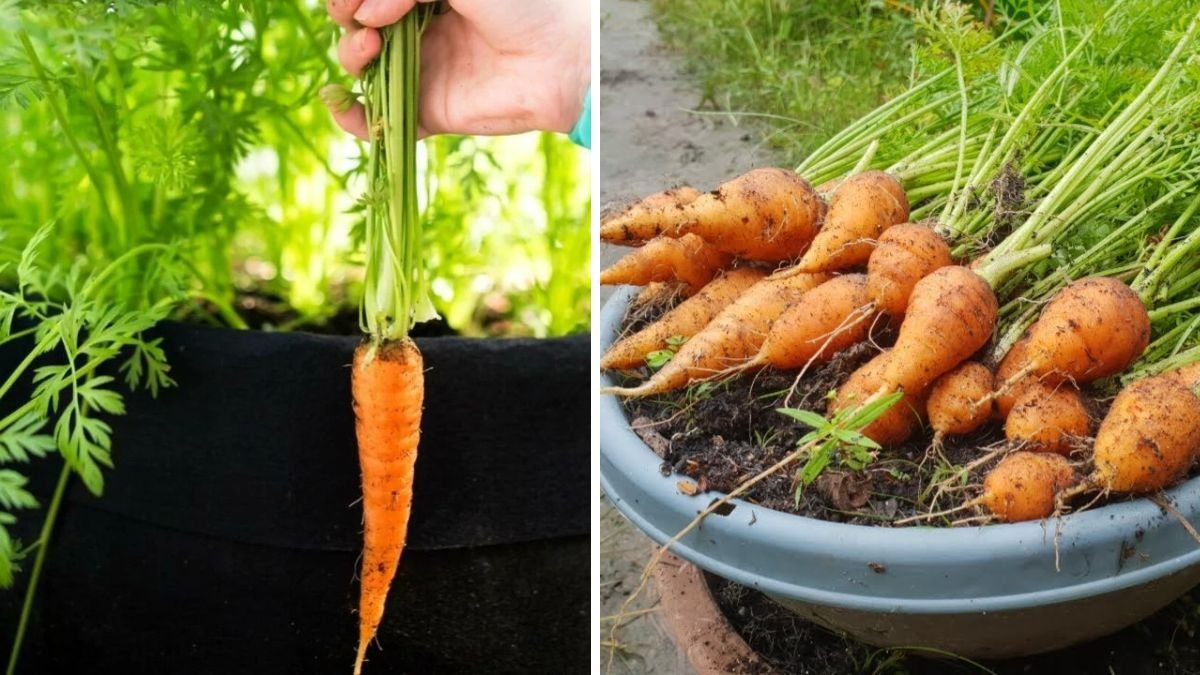
Carrots are one of the most beloved vegetables in home gardens, cherished for their natural sweetness, vibrant color, and versatile use in meals. However, growing perfect carrots can be surprisingly tricky. Many gardeners encounter thin, forked, or stunted roots despite their best efforts. The good news? By understanding a few key factors—soil quality, spacing, watering, and fertilization—you can transform your carrot patch into a high-yielding, bountiful harvest. In this guide, we reveal 7 super easy ways to grow carrots for maximum yield and quality.
Why Growing Carrots Can Be Challenging
While carrots are generally considered hardy, several factors can hinder their growth. Poor soil structure, improper watering, inadequate sunlight, and pest interference are the main culprits behind low yields and poor-quality roots. Unlike leafy vegetables, carrots grow underground, so any obstacle in the soil can affect their shape and size. Compacted soil can produce forked roots, while overcrowded planting leads to skinny or undersized carrots. By addressing these common issues early, gardeners can enjoy full, sweet, and uniform carrots every season.
1. Start With the Right Soil
The foundation of a great carrot crop is loose, well-drained soil. Carrots need room to grow deep and straight; hard or rocky soil often results in twisted, forked roots. To prepare your soil, remove rocks, break up clumps, and amend it with compost or aged manure. Aim to till your garden bed to at least 12 inches deep, creating an environment where roots can expand freely.
Loamy soil is ideal because it retains moisture without becoming waterlogged. If your soil tends to be heavy clay, consider mixing in sand or perlite to improve drainage. This simple step alone can dramatically improve the shape and size of your carrots.
2. Test & Adjust pH
Carrots prefer slightly acidic to neutral soil, with a pH range of 6.0 to 6.8. Testing your soil’s pH is an easy way to determine if amendments are necessary. If your soil is too acidic, add lime to raise the pH. Conversely, sulfur can lower a soil’s pH if it’s too alkaline. Maintaining the proper pH ensures that your carrots can efficiently absorb nutrients, leading to healthier, larger roots.
3. Plant at the Right Time & Proper Spacing
Timing and spacing are critical for high-yield carrot gardens. Carrots are a cool-season crop and thrive in early spring or late summer, depending on your climate. Sow seeds ¼ to ½ inch deep and plant rows 12-18 inches apart.
Once seedlings appear, thin them to 2-4 inches apart. Overcrowding results in competition for nutrients, producing smaller roots. Thinning may feel counterintuitive, but it’s one of the most effective ways to maximize root size and yield.
4. Give Them Plenty of Sunlight
Carrots need 6-8 hours of direct sunlight daily for optimal growth. Sunlight drives photosynthesis, which supports strong root development. Avoid planting carrots in shaded areas or near taller plants that might block light. A sunny location ensures that your carrots develop their signature sweetness and vibrant color.
5. Water Smartly
Consistent moisture is key to growing perfect carrots. Too little water results in thin, woody roots, while too much water can cause splitting or rot. Aim to deliver about 1 inch of water per week, using a drip irrigation system or soaker hoses to target the root zone.
Deep but infrequent watering encourages roots to grow deeper, creating larger, more resilient carrots. For sandy soils, keep the top layer consistently moist during germination, then gradually shift to deeper watering as roots develop.
6. Fertilize the Right Way
Fertilization is often misunderstood when it comes to carrots. High-nitrogen fertilizers encourage lush tops at the expense of roots. Instead, choose a balanced or low-nitrogen fertilizer. Organic options such as bone meal or compost supply essential nutrients without overwhelming the plants. This approach promotes healthy, thick, and sweet roots that are perfect for cooking or fresh snacking.
7. Control Weeds & Pests
Weeds compete with carrots for nutrients and water, slowing growth and reducing yield. Regular hand-weeding and mulching can effectively suppress weeds while retaining soil moisture.
Carrots are also susceptible to pests like carrot flies, whose larvae tunnel into roots, causing damage. Using floating row covers can protect seedlings while still allowing sunlight and water to reach the plants. A combination of preventive care and vigilance ensures a healthy, high-yield carrot patch.
Bonus Tip: Observe and Adjust
Even with perfect soil and care, carrots need patience. Most varieties mature in 50 to 80 days, depending on climate and soil conditions. If roots appear thin or undersized, give them extra time and continually adjust watering, spacing, and soil amendments. Observing how your plants respond throughout the growing season is crucial to maximizing yield.
Science-Backed Insights for High Yields
Recent studies highlight precision watering as a key driver of carrot quality. For instance, research suggests that keeping the top layer of sandy soil consistently moist during germination, then gradually shifting to deeper, less frequent watering, produces stronger roots. Similarly, loose, nutrient-rich soil has been proven to increase root diameter, length, and sweetness.
Incorporating these science-backed techniques along with traditional gardening wisdom gives home gardeners a clear path to success.
Authoritative Sources to Reference
For gardeners seeking further expertise, the following sources offer valuable guidance:
- 🌿 HGTV – Carrot planting and soil preparation guide (hgtv.com)
- 🧑🌾 Better Homes & Gardens – Tips for growing thicker, sweeter carrots (bhg.com)
- 🌱 Gardencow – 7 secrets to successfully cultivating carrots (gardencow.com)
- 🌾 GrowCycle – Practical advice for maximizing carrot yield (growcycle.com)
These sources provide seasonal calendars, soil improvement techniques, and step-by-step guides to ensure a successful harvest.
Final Thoughts
Growing carrots at home doesn’t have to be complicated. By following these 7 super easy secrets, you can consistently produce high-quality, high-yield carrots. Focus on soil preparation, proper spacing, smart watering, and pest management, and combine these practices with patience and careful observation.
With just a little effort, your garden can yield straight, sweet, and satisfying carrots that are perfect for salads, roasting, or snacking straight from the garden. Carrots reward careful attention, and the results are both delicious and visually impressive.
So grab your seeds, prepare your soil, and get ready to enjoy a bountiful carrot harvest — because growing carrots can be super easy when you know these secrets!