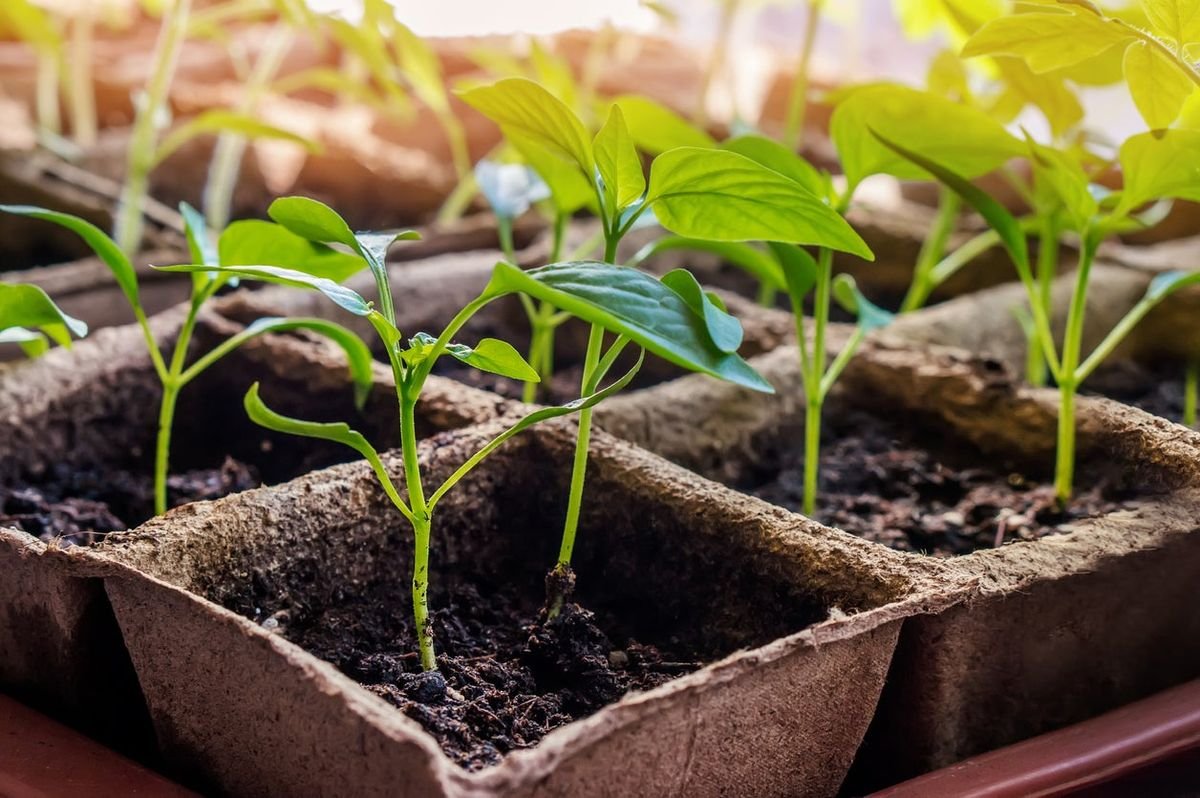
If you’ve ever lovingly started seeds indoors—only to watch your seedlings wilt, collapse, or disappear seemingly overnight—you’re not alone. Many gardeners immediately blame chilly temperatures or a drafty windowsill. But experts agree: cold is rarely the real culprit behind failing seedlings.
In most cases, seedlings die because of environmental imbalances and care mistakes that happen long before temperature becomes an issue. Understanding what’s really going wrong—and how to fix it—can turn repeated disappointment into strong, thriving plants.
The Biggest Seedling Killer: Too Much Water
Surprisingly, the number one reason seedlings die isn’t cold air—it’s overwatering.
Why Overwatering Is So Dangerous
Seedlings need oxygen just as much as they need moisture. When soil stays constantly wet:
- Roots suffocate due to lack of air
- Fungal pathogens thrive
- Stems weaken and collapse
This often leads to damping-off disease, a common fungal issue that causes seedlings to suddenly fall over at the soil line.
How to Fix It
- Use well-draining seed-starting mix
- Water only when the top of the soil feels dry
- Bottom-water whenever possible
- Ensure containers have drainage holes
Healthy moisture balance is the foundation of seedling survival.
Damping-Off Disease: The Silent Seedling Killer
If your seedlings look fine one day and dead the next, damping-off is likely to blame.
What It Is
Damping-off is caused by soilborne fungi that attack seedlings at the base of the stem.
Warning Signs
- Thin, pinched-looking stems
- Seedlings falling over suddenly
- Mushy or discolored stems near soil level
Prevention Tips
- Start with sterile seed-starting mix
- Clean containers before reuse
- Avoid overcrowding seedlings
- Improve air circulation with a small fan
Once damping-off occurs, affected seedlings cannot be saved—but prevention is highly effective.
Insufficient Light (Not Low Temperature)
Another common misconception is that seedlings are dying because they’re cold, when they’re actually starving for light.
What Happens Without Enough Light
- Seedlings stretch and become leggy
- Stems weaken and bend
- Plants eventually collapse under their own weight
Winter sunlight through a window is rarely sufficient, even on bright days.
The Solution
- Use grow lights for 12–16 hours per day
- Keep lights 2–3 inches above seedlings
- Rotate trays regularly for even exposure
Strong light creates thick stems and resilient growth, reducing seedling loss dramatically.
Poor Air Circulation Weakens Seedlings
Still air may feel cozy to us, but seedlings need movement.
Why Airflow Matters
- Strengthens stems
- Reduces fungal growth
- Mimics outdoor conditions
Without airflow, seedlings remain weak and disease-prone.
Easy Fix
- Run a small fan nearby for a few hours daily
- Avoid blowing directly on seedlings
- Crack a window occasionally if temperatures allow
Gentle movement helps seedlings develop strength and resilience.
Using the Wrong Soil
Garden soil may seem like a natural choice, but it’s one of the worst options for seedlings.
Problems With Garden Soil
- Compacts easily
- Drains poorly
- Contains pathogens and pests
- Lacks consistent texture
What to Use Instead
- Seed-starting mix or light potting mix
- Soilless blends with peat or coco coir
- Fresh, sterile media for each planting
Proper soil ensures roots can grow freely and breathe.
Temperature Fluctuations—Not Cold—Cause Stress
Seedlings are more affected by sudden temperature changes than by consistent cool conditions.
Common Temperature Mistakes
- Placing seedlings near heat vents
- Moving trays between warm rooms and cold windows
- Using heat mats too long
Best Practice
- Maintain steady temperatures between 65–75°F (18–24°C)
- Remove heat mats once seeds sprout
- Avoid placing seedlings near radiators or drafty doors
Consistency is far more important than warmth.
Overcrowding Causes Competition and Disease
Sowing too many seeds in one container often leads to mass seedling failure.
Why Overcrowding Is Harmful
- Roots compete for water and nutrients
- Poor airflow encourages disease
- Weaker seedlings shade stronger ones
What to Do
- Thin seedlings early
- Leave the strongest plant per cell
- Transplant extras carefully if possible
Fewer seedlings grown well outperform many struggling ones.
Fertilizing Too Early (or Too Much)
Seedlings don’t need fertilizer right away—and excess nutrients can be deadly.
The Risk
- Fertilizer salts burn tender roots
- Rapid, weak growth develops
- Leaves may yellow or curl
Safe Feeding Timeline
- Wait until seedlings develop true leaves
- Use diluted fertilizer (¼ strength)
- Feed lightly every 1–2 weeks
Gentle feeding supports steady, healthy growth.
Ignoring Humidity Balance
Seedlings love moisture—but not stagnant humidity.
Common Mistake
Leaving humidity domes on too long creates a breeding ground for mold.
Best Approach
- Remove domes once seeds sprout
- Maintain moderate humidity
- Provide airflow to prevent fungal growth
Balanced humidity encourages strong stems and roots.
Why Cold Gets Blamed (But Rarely Deserves It)
Cold is an easy scapegoat because it’s visible and uncomfortable to us. But most seedlings tolerate cool temperatures remarkably well—especially cool-season plants.
In reality, seedlings usually die from:
- Excess moisture
- Poor light
- Fungal disease
- Weak stems from still air
- Root stress
Fix those issues, and temperature becomes far less critical.
A Simple Checklist for Healthy Seedlings
To keep your seedlings alive and thriving:
- ✅ Use sterile, well-draining seed mix
- ✅ Water only when needed
- ✅ Provide strong grow light
- ✅ Improve air circulation
- ✅ Avoid overcrowding
- ✅ Keep temperatures stable
- ✅ Feed lightly and slowly
Mastering these basics eliminates most seedling failures.
The Payoff: Strong Plants That Thrive Outdoors
Healthy seedlings:
- Transplant more easily
- Resist pests and disease
- Grow faster once planted out
- Produce better yields
When seedlings survive their early stages, they’re far more resilient for the rest of the season.
Conclusion
If your seedlings keep dying, don’t blame the cold just yet. In most cases, the real causes are too much water, too little light, poor airflow, or fungal disease. Once you correct these hidden issues, seed starting becomes far more predictable—and far less frustrating.
By creating a balanced environment and avoiding common mistakes, you’ll finally enjoy strong, sturdy seedlings that thrive instead of collapse. With the right approach, seed starting shifts from disappointment to one of the most rewarding parts of gardening.