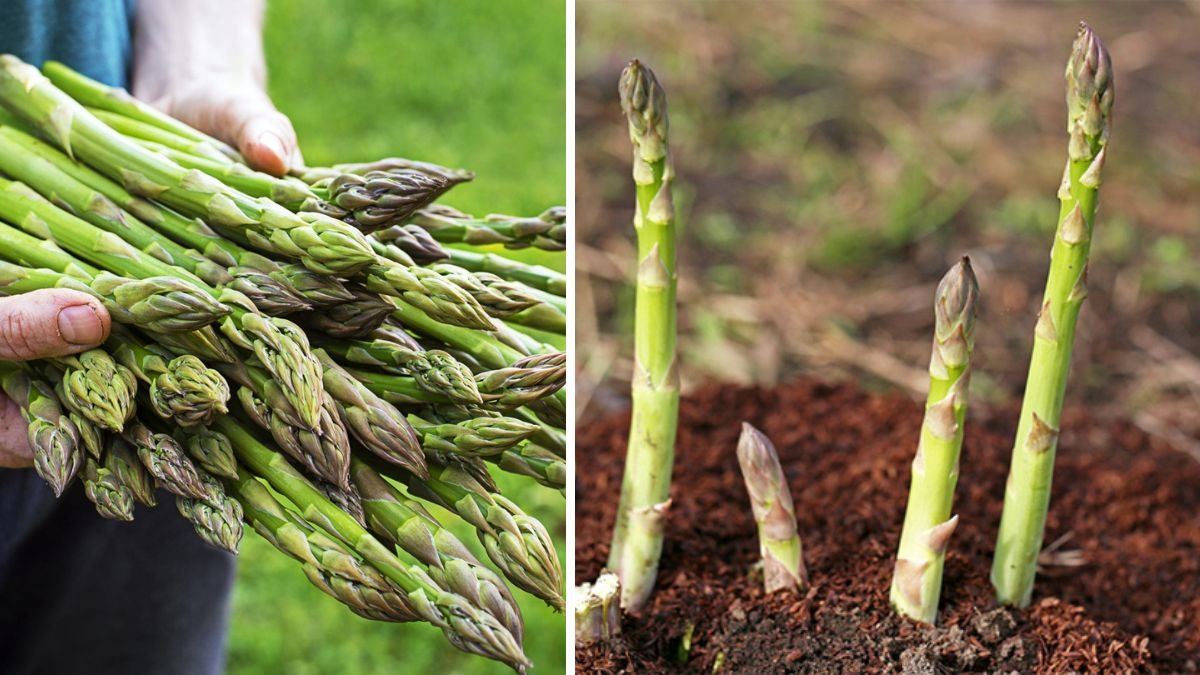
Asparagus is one of the most rewarding perennial crops you can grow in your garden — but it’s also a heavy feeder that depends on steady nutrients and the right soil chemistry to produce abundant, tasty spears year after year. Whether you’re a seasoned gardener or new to growing asparagus, choosing the right fertilizer and maintaining a neutral soil pH are key to healthy, productive plants.
In this comprehensive guide, we’ll explore how neutral fertilizer supports asparagus growth, why soil pH matters, when and how to fertilize, and what products or natural amendments gardeners recommend.
🌿 Why Neutral Fertilizer Matters for Asparagus
Asparagus thrives in neutral to slightly acidic soil, ideally with a pH between 6.5 and 7.0. Soil that is too acidic can limit nutrient availability, impede root development, and stress your plants, reducing yields over time. Neutral fertilizers and amendments help correct soil pH so that nutrients are more accessible to the plant — and asparagus can absorb them efficiently for strong spear and root growth.
One popular natural amendment that serves as a neutralizer is wood ash. Rich in calcium carbonate and trace minerals like magnesium, iron, and boron, wood ash can help buffer acidic soils, support soil structure, and boost the availability of essential micronutrients without harsh chemicals.
🌾 Understanding Soil Needs and Fertilizer Basics
📊 Soil pH and Nutrient Balance
Before applying any fertilizer, it’s wise to test your soil’s pH and nutrient levels. This gives you a baseline and helps you tailor amendments for best results. If your soil pH is too low (acidic), neutralizing amendments or lime can raise it toward the optimal asparagus range.
Once your soil is in the right pH range, a balanced fertilizer approach — with equal emphasis on nitrogen (N), phosphorus (P), and potassium (K) — can help asparagus plants grow vigorously.
Many gardeners recommend a balanced fertilizer such as 10-10-10 (N‑P‑K) applied in early spring before spears emerge and again after harvest. This ensures that the plants have the nutrients needed for both spear production and root/fern development later in the season.
🪴 Organic vs. Synthetic: What’s Best?
Organic fertilizers are generally recommended for asparagus because they improve soil structure, support beneficial microorganisms, and reduce chemical buildup. Products like Organic Asparagus Fertilizer with an NPK of 4‑3‑1, derived from fish bone meal, blood meal, and sulfate of potash, can boost soil health and support sustained growth.
A natural amendment like wood ash — while not a complete fertilizer — also fits well into organic asparagus care because it helps balance pH and supply micronutrients without overly increasing nitrogen.
🗓️ When to Fertilize Your Asparagus
Timing matters as much as fertilizer type.
🌱 Early Spring (Before Spears Appear)
This is the best time to apply neutral or balanced fertilizer to awaken dormant asparagus crowns and help new growth get off to a strong start. A light application of a balanced fertilizer (e.g., 10‑10‑10) around the base of the plants helps support early growth.
🌿 After Harvest (Late Spring / Early Summer)
Once spears are harvested, asparagus plants produce ferns that convert energy back to the roots. A second round of fertilizer after harvest (late June or early July) supports fern health, enabling better energy storage for next season’s growth.
🪙 Avoid Late‑Season Fertilizer
Avoid fertilizing too late in summer or autumn. This can prolong fern growth when the plant should be preparing for winter dormancy, which can weaken energy reserves and impact next year’s crop.
🌻 How to Apply Neutral Fertilizer
🧂 Manual Application
- Spread fertilizer around the base of asparagus plants, avoiding direct contact with stems.
- Lightly work it into the top layer of soil.
- Water thoroughly after application to help nutrients penetrate the root zone.
🪵 Natural Soil Amendments
Natural materials like wood ash are best applied in moderation — typically incorporated into the soil in early spring. Because wood ash is alkaline, over‑application can raise pH too much, so always base application on soil test results.
🌾 Mulching Benefits
Mulching with compost or organic matter also buffers soil temperature, retains moisture, suppresses weeds, and gradually adds nutrients to the soil as it breaks down. Incorporate compost around asparagus beds in early spring or fall for best results.
🧠 Practical Tips for Thriving Asparagus
✅ Don’t Over‑Fertilize
Too much fertilizer — especially high‑nitrogen formulas — can encourage excessive foliage at the expense of spear production, reduce plant vigor, and even damage roots. Always follow recommended application rates.
✅ Match Fertilizer to Soil Conditions
A balanced fertilizer is usually best for established asparagus, but if soil tests show specific nutrient deficiencies (e.g., phosphorus or potassium), adjust accordingly.
✅ Combine Organic Matter With Fertilizer
Adding composted manure or well‑rotted organic matter improves soil health and nutrient retention, making your fertilizer more effective.
✅ Test Soil Regularly
Asparagus is a perennial crop — meaning your soil will evolve over time. Testing every few years helps maintain ideal pH and nutrient balance for long‑term health.
📌 Suggested Authoritative Sources
For gardeners who want to dig deeper, here are well‑respectable sources on asparagus care and fertilizer strategy:
- Iowa State University Yard & Garden FAQ — Asparagus Fertilization Guidelines (practical fertilizer timing and rates)
- UC IPM Asparagus Fertilization Guidelines (scientific recommendations for field and home asparagus cultivation)
- Extension Minnesota — Growing Asparagus in Home Gardens (soil pH, fertilizer timing, and soil health basics)
- Organic Asparagus Fertilizer Listings (for product examples and organic care tips)
🌟 Final Takeaway
Using the right neutral fertilizer and caring for soil pH are essential steps in growing vigorous, productive asparagus plants. Whether you choose a balanced fertilizer, organic amendments, or a natural pH neutralizer like wood ash, supporting soil chemistry gives your asparagus the tools it needs to thrive year after year.
Asparagus gardening is a long‑term investment — but with the right fertilizer strategy and attentive soil care, you’ll enjoy abundant harvests of sweet, tender spears for many seasons to come.