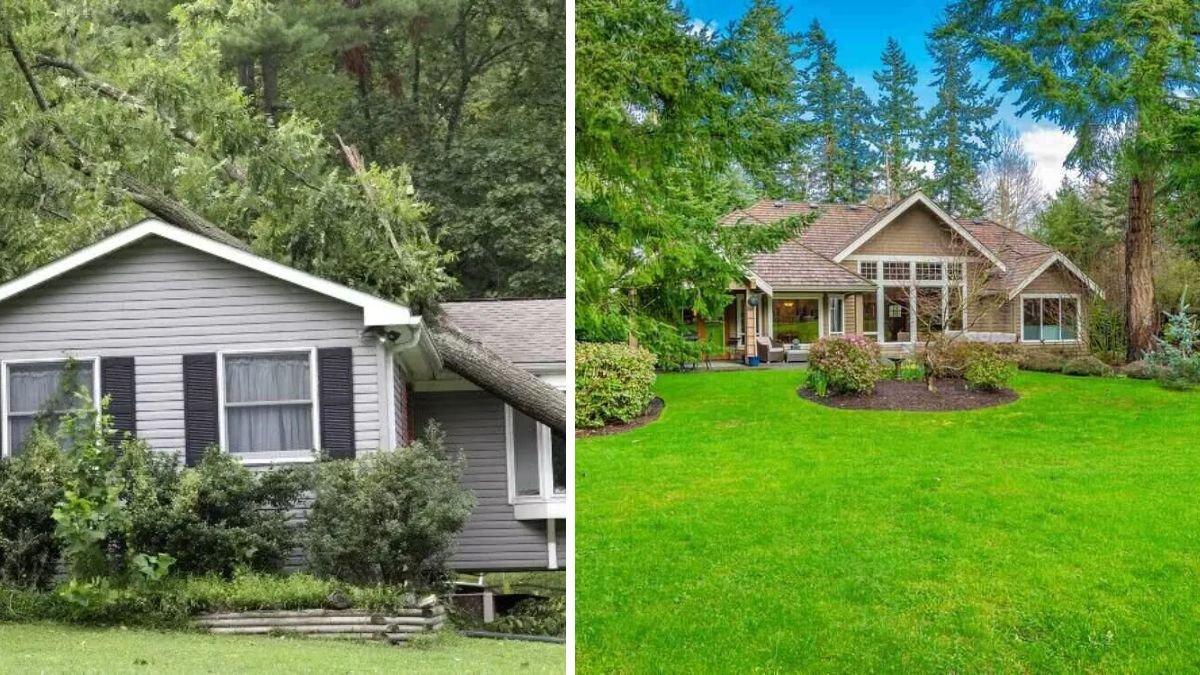
Planting trees near your home can provide shade, beauty, and improved air quality, but not all trees are suitable for planting close to structures. Certain trees can cause damage to foundations, pipes, roofs, or landscaping, and can also pose safety hazards during storms.
This guide explains why some trees shouldn’t be planted too close to your home and offers tips for safe tree placement.
Risks of Planting Trees Too Close
- Root damage: Aggressive roots can crack foundations, sidewalks, and driveways
- Blocked gutters and drains: Falling leaves and branches clog drainage systems
- Roof and siding damage: Branches rubbing against roofs or walls can cause damage
- Pests: Trees close to walls can provide pathways for insects or rodents
- Limited sunlight: Trees too near windows can block natural light
Tree Growth Considerations
1. Root System
- Deep vs. shallow roots: Shallow roots spread and may interfere with plumbing
- Aggressive species: Willows, silver maples, and poplars are notorious for damaging foundations
2. Tree Size
- Mature height and width determine safe distance
- Large canopy trees may require 15–20 feet clearance from buildings
3. Wind and Storm Risk
- Trees close to structures can fall in storms, causing property damage
Recommended Safe Distances
- Small trees (<20 feet tall): At least 5–10 feet from buildings
- Medium trees (20–40 feet tall): At least 10–20 feet
- Large trees (>40 feet tall): 20+ feet
- Always consider underground utilities and plumbing
Choosing the Right Tree for Proximity
- Safe for near homes: Dogwood, Japanese maple, dwarf fruit trees
- Avoid near homes: Silver maple, willow, poplar, black locust
- Columnar or upright trees: Fit narrow spaces without damaging foundations
Proper Planting Tips Near Homes
- Use root barriers if planting moderately close to structures
- Ensure soil drainage to prevent water accumulation near foundations
- Avoid planting directly under windows or overhanging roof edges
- Maintain pruning and trimming schedules to prevent branches from touching walls
Benefits of Proper Tree Placement
- Reduces risk of structural damage and costly repairs
- Prevents interference with underground utilities
- Maintains sunlight and airflow around your home
- Keeps property safe during storms and high winds
Pruning Trees Near Homes
- Regular pruning ensures branches don’t damage roofs or siding
- Thinning improves sunlight penetration and reduces wind resistance
- Remove weak or damaged limbs promptly
Landscape Planning Tips
- Combine trees with shrubs and perennials for safe, layered landscaping
- Plan future growth: consider tree size in 10–20 years
- Consult local arborists for species selection and placement
Final Thoughts
Trees add shade, beauty, and value to your property, but planting too close to your home can lead to serious problems. By understanding tree growth, root behavior, and safe distances, you can enjoy the benefits of trees without risking damage to your home.
Proper planning, careful species selection, and regular maintenance ensure your yard is both beautiful and safe, giving you a thriving landscape for years to come.