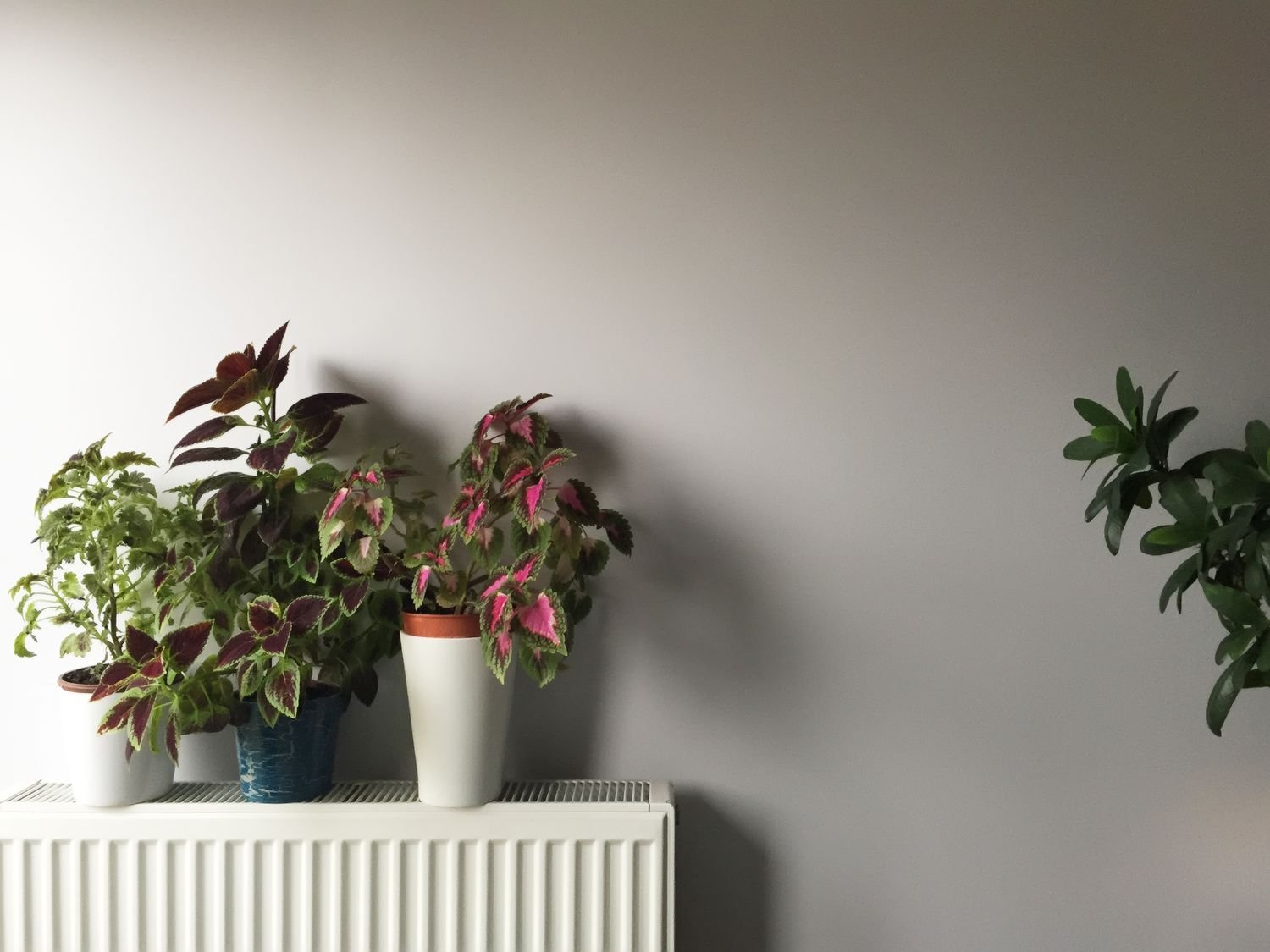
Winter is prime season for cozying up indoors with a hot cup of tea, a warm blanket, and, of course, your beloved houseplants. But many plant owners make a subtle mistake that can seriously damage their greenery: over-reliance on central heating. Experts are warning that keeping your home too warm, especially during the dry winter months, is harming houseplants—even the hardiest ones.
Understanding this common heating mistake, its effects, and the corrective steps you can take will help your plants thrive all winter long, rather than merely survive.
The Heating Mistake Many Plant Owners Make
As temperatures drop outside, it’s natural to crank up the heat indoors. However, high indoor temperatures combined with low humidity can create a stressful environment for plants. Most houseplants thrive in moderate warmth with sufficient moisture, mimicking the subtropical or tropical climates many originate from.
The problem:
- Central heating dries the air, sometimes dropping indoor humidity to 20–30%, well below the 50–70% that many houseplants prefer.
- Consistently high temperatures can accelerate water loss from leaves, leading to wilting, browning leaf tips, or stunted growth.
- Rapid temperature fluctuations, like sitting next to a radiator, can shock roots and leaves, causing further stress.
In short, a warm house isn’t necessarily a plant-friendly house.
Why Houseplants Struggle in Heated Homes
Houseplants are sensitive to microclimate conditions, and central heating disrupts their natural balance. Experts point out several key effects:
- Dry Air:
- Radiators, space heaters, and forced-air systems reduce indoor humidity.
- Low humidity causes leaf curl, brown tips, and crispy edges in plants like ferns, calatheas, and monstera.
- Increased Water Loss:
- Warm air accelerates transpiration (water loss through leaves).
- Soil dries faster, making it tempting to overwater, which can lead to root rot.
- Temperature Stress:
- Tropical plants prefer steady temperatures between 65–75°F (18–24°C).
- Sudden exposure to heat sources or cold drafts near windows can cause leaf drop and slowed growth.
- Weakened Immune Response:
- Stressed plants are more vulnerable to pests and disease, including spider mites, aphids, and fungal infections.
Experts emphasize that even minor adjustments in temperature and humidity can make a major difference in plant health during the heating season.
Plants Most Vulnerable to Heating Mistakes
Not all houseplants are equally affected by indoor heating. Some of the most vulnerable include:
- Ferns – particularly sensitive to dry air.
- Calathea and Maranta (Prayer Plants) – leaf tips brown easily in low humidity.
- Monstera and Philodendron – slow growth and curling leaves if air is too dry.
- Peace Lilies – can drop flowers or develop brown edges quickly.
- Pothos – can tolerate heat but shows stress with crispy leaf tips.
Even hardy succulents can suffer if placed too close to radiators or vents, which can dehydrate soil rapidly.
How to Protect Your Plants From Heating Stress
Fortunately, there are several simple and effective strategies to mitigate the effects of dry, heated air:
1. Increase Humidity
- Use humidifiers near your plant clusters to maintain 50–70% humidity.
- Group plants together; collectively, they create a microclimate of higher humidity.
- Place plants on trays filled with water and pebbles; as water evaporates, it raises the humidity around the plant.
2. Monitor Temperature and Placement
- Avoid placing plants directly next to heaters, radiators, or vents.
- Keep them at least a few feet away from heat sources.
- Maintain consistent temperatures and avoid drafts near windows or doors.
3. Adjust Watering Habits
- Check soil moisture more frequently during winter, as heated homes can dry soil quickly.
- Avoid overwatering; water only when the top inch of soil is dry.
- Use room-temperature water to prevent shocking roots.
4. Use Mist or Spray
- Lightly mist plants sensitive to dry air, such as ferns or calatheas, once or twice a day.
- Avoid misting succulents, as excess moisture can lead to rot.
5. Optimize Lighting
- Heated homes may have less natural sunlight during winter, slowing growth.
- Move plants near bright, indirect light or supplement with LED grow lights.
- Rotate plants regularly to ensure even exposure and growth.
Signs Your Plants Are Suffering From Heat
Recognizing early signs of heat stress can save your plants from long-term damage. Watch for:
- Browning leaf edges or tips
- Leaves curling inward or wilting
- Slow or stunted growth
- Increased susceptibility to pests
- Dropping flowers or leaves
If these symptoms appear, adjust the plant’s environment immediately: increase humidity, move it away from heat sources, and check soil moisture.
Expert Recommendations
Plant care experts suggest adopting a holistic approach to indoor plant health in winter:
- Track humidity levels with a hygrometer to keep the environment stable.
- Cluster plants to create microclimates.
- Select heat-tolerant winter varieties such as snake plants, ZZ plants, and certain succulents if your home is extremely dry.
- Regularly clean leaves to ensure they can absorb light and transpire efficiently.
These small, intentional steps can prevent damage and keep houseplants thriving year-round.
Long-Term Benefits of Correcting Heating Mistakes
Addressing winter heating stress isn’t just about surviving the season. Healthy plants:
- Grow more vigorously, producing lush foliage and more flowers.
- Are less prone to pest infestations and diseases.
- Contribute to improved indoor air quality.
- Enhance home ambiance, creating a welcoming, vibrant environment.
Proper winter care ensures your plants emerge from the season strong, resilient, and ready for spring growth.
Conclusion
Experts agree that the most common winter mistake hurting houseplants is overheating and low humidity in indoor spaces. While it’s tempting to keep your home toasty, this combination can stress plants, leading to brown tips, leaf drop, and slower growth.
The solution is straightforward: increase humidity, monitor temperature, avoid direct heat, adjust watering, and ensure adequate light. Simple adjustments like a humidifier, pebble trays, or strategic placement can make a dramatic difference in plant health.
By understanding your plants’ needs and making small environmental tweaks, you can protect your indoor garden throughout the winter months. This ensures that when spring arrives, your houseplants are not just surviving—they’re thriving, providing greenery, beauty, and life to your home all year long.