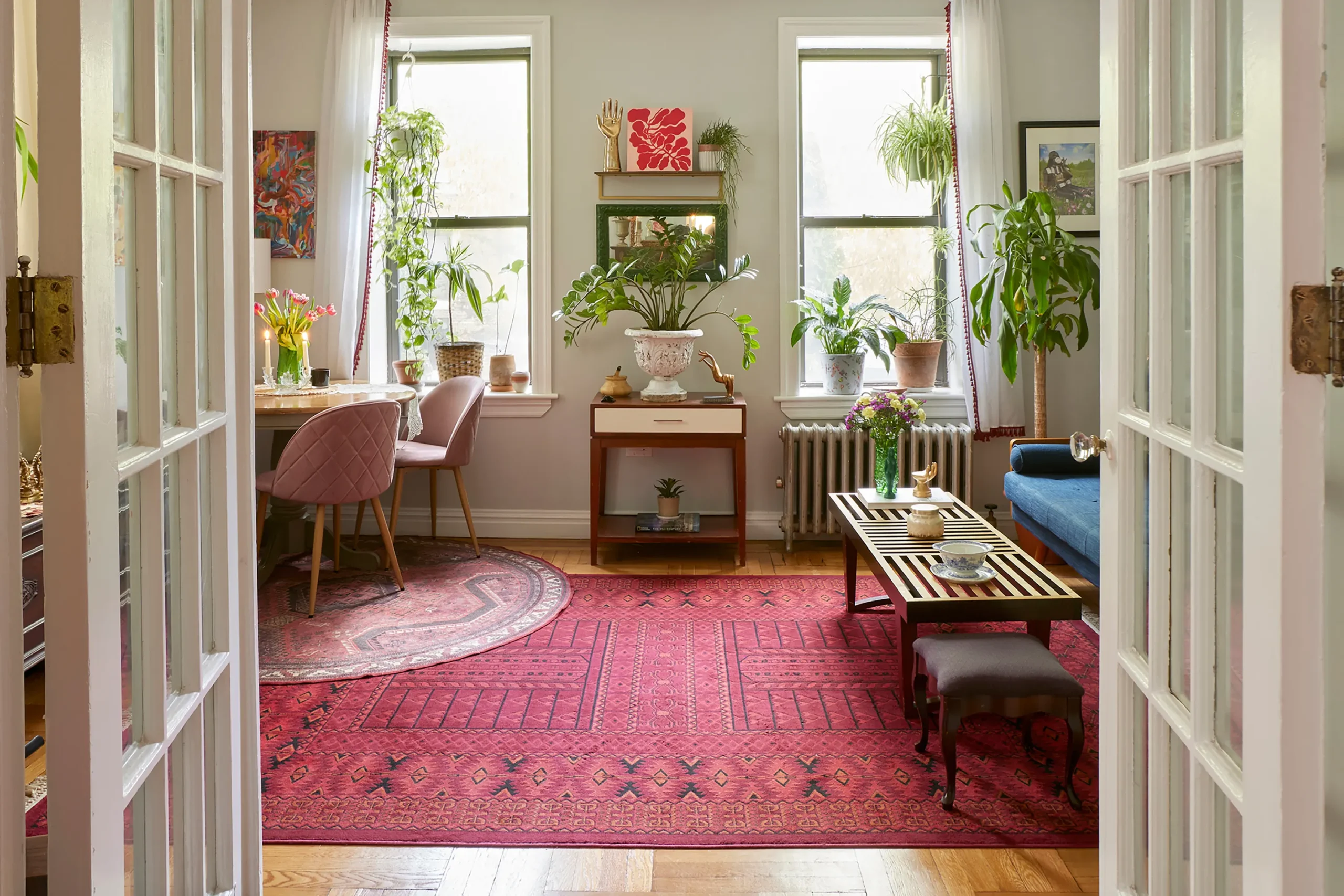
Small spaces can be tricky to decorate. Limited square footage often means compromising on storage, comfort, or style—or so it seems. But interior designers have a secret: with the right techniques, even the tiniest rooms can feel open, airy, and spacious, often without moving a single wall.
The top trick designers use to make small spaces appear larger is strategic use of visual lines, reflection, and light. By combining clever furniture placement, color choices, and reflective surfaces, designers create the illusion of depth and openness, transforming cramped quarters into inviting, well-proportioned areas. In this guide, we’ll break down the strategy, step by step, and show how you can apply it in your own home.
Understanding the Psychology of Space
Before diving into techniques, it helps to understand why some spaces feel cramped while others feel expansive. Several factors influence perception:
- Lines and Orientation: Horizontal and vertical lines guide the eye. Unbroken lines elongate walls, while vertical lines emphasize height.
- Light and Shadow: Bright, even lighting opens up a room, whereas dark corners make it feel smaller.
- Clutter: Crowded surfaces and mismatched furniture break visual flow. Minimalism creates the perception of more space.
- Color and Contrast: Lighter colors reflect light, creating airiness. Bold contrasts can shrink a room if used incorrectly.
Designers manipulate these elements to trick the eye, creating the sensation of space even in tiny rooms.
The Top Trick: Mirrors and Reflective Surfaces
While many techniques contribute to a spacious feel, the most powerful and universally effective trick is the use of mirrors and reflective surfaces. Mirrors bounce light, extend sightlines, and create depth, making small rooms feel much larger.
Why Mirrors Work:
- Reflect Light: Mirrors amplify natural and artificial light, brightening dark corners.
- Extend Walls: Placed strategically, a mirror can make a wall appear farther away, giving the illusion of a larger room.
- Double Visual Space: By reflecting furniture, art, or architecture, mirrors create the impression of symmetry and continuity.
- Add Depth Without Clutter: Unlike adding furniture or décor, mirrors create spaciousness without taking up any floor space.
How to Use Mirrors Effectively
Designers don’t just hang a mirror anywhere—they use placement and scale strategically:
- Full-Length Mirrors:
- Place a tall mirror along a wall or behind furniture to visually stretch the room vertically and horizontally.
- Great for hallways, bedrooms, or living rooms.
- Mirrored Furniture:
- Incorporating mirrored dressers, side tables, or coffee tables reflects light while providing function.
- Mirrored surfaces are particularly effective in narrow rooms.
- Wall-to-Wall Mirrors:
- Ideal for bathrooms or compact living areas.
- Reflects the entire room, making it feel almost twice as wide.
- Clustered Mirrors:
- Using a collection of smaller mirrors on one wall creates a focal point while increasing perceived space.
- Shapes like circles or hexagons add interest without overcrowding the room.
Pro Tip: Avoid mirrors directly facing cluttered areas, as reflections can double the visual chaos instead of creating openness.
Maximizing the Effect With Lighting
Mirrors alone are powerful, but their impact multiplies when combined with proper lighting:
- Natural Light: Position mirrors opposite windows to bounce sunlight across the room.
- Artificial Light: Add floor lamps, wall sconces, or ceiling lights near reflective surfaces to maintain brightness in the evening.
- Layered Lighting: Use ambient, task, and accent lighting to eliminate dark corners, which can make a space feel cramped.
Even small changes, like a mirror across from a window, can instantly make a room feel larger and more inviting.
Complementary Techniques to Enhance Space
While mirrors are the primary trick, designers combine them with other strategies for maximum effect:
1. Use Light and Neutral Colors
- Whites, pastels, and soft neutrals reflect light, amplifying mirror effects.
- Paint ceilings a slightly lighter color than the walls to create a sense of height.
2. Choose Multi-Functional Furniture
- Furniture with hidden storage or that doubles as seating prevents clutter.
- Transparent furniture like acrylic chairs or glass tables keeps sightlines open.
3. Vertical Storage
- Tall shelves draw the eye upward, making ceilings feel higher.
- Combine with mirrors to extend vertical space visually.
4. Keep Flooring Continuous
- Avoid breaking up small rooms with multiple flooring types.
- A single flooring material creates flow and makes the space appear larger.
5. Strategic Layout
- Floating furniture away from walls and arranging pieces to open pathways keeps the room feeling airy.
- Avoid oversized furniture that crowds the floor plan.
Small Space Examples
Living Room:
- A mirrored coffee table reflects light from a window.
- Wall-mounted shelves instead of bulky bookcases free up floor space.
- Neutral walls with a single accent mirror make the room feel both cozy and open.
Bedroom:
- Full-length mirror on the closet door doubles the space visually.
- Minimal furniture and light bedding complement reflective surfaces.
Kitchen or Dining Area:
- Glass cabinet doors and mirrored backsplashes create depth.
- Reflective surfaces amplify lighting and prevent the space from feeling boxed in.
Bathroom:
- Large vanity mirrors make tiny bathrooms feel expansive.
- Pair mirrors with light-colored tiles for maximum brightness.
Common Mistakes to Avoid
- Overcrowding with Mirrors: Too many mirrors can feel overwhelming and disorienting.
- Reflecting Clutter: A mirror across from messy areas doubles the visual mess.
- Wrong Scale: Small mirrors in a large room may have minimal effect; large mirrors in tiny spaces can dominate the room.
- Ignoring Frame Style: Heavy, ornate frames can reduce the open feel—opt for sleek or minimalist frames.
DIY Tips for Renters
Even if you rent, you can use mirrors strategically without violating lease rules:
- Adhesive or Leaning Mirrors: Large mirrors that lean against the wall don’t require drilling.
- Removable Mirror Panels: Peel-and-stick mirrors work on walls without damage.
- Mirror Tiles: Temporary and customizable, ideal for renters who want flexibility.
These solutions allow renters to maximize space visually without permanent modifications.
The Science Behind the Trick
Designers rely on optical illusions:
- Our brains interpret reflections as extra depth, making a space appear larger.
- Bright, continuous surfaces trick the eye into perceiving more room than exists.
- Combining reflective surfaces with unbroken lines and consistent color schemes amplifies the effect.
Even small rooms can feel expansive when these principles are applied thoughtfully.
Conclusion
Small spaces don’t have to feel cramped or limiting. Designers’ top trick—using mirrors and reflective surfaces strategically—creates the perception of depth, increases light, and transforms interiors into bright, open, and inviting environments.
Paired with complementary techniques like light-colored walls, multipurpose furniture, vertical storage, and careful layout planning, this trick works in virtually any room: living rooms, bedrooms, kitchens, and bathrooms.
Whether you’re dealing with a tiny apartment, a compact office, or a small studio, mirrors are your secret weapon. They extend sightlines, reflect light, and make every inch of space feel intentional and spacious. With a little planning, you can turn even the smallest room into a functional, stylish sanctuary that feels far larger than it really is.